You know the drill. Every month, your body reboots.
For women of reproductive age, this isn’t a glitch. It’s a feature. But let’s be honest—it’s not always a pleasant ride.
Young girls and women alike need to pay attention. This is the time when emotions swing wildly and your body feels like it’s working overtime. You aren’t imagining the fatigue. The exhaustion. The sudden drop in energy that hits you out of nowhere.
Then there’s the physical toll.
Breast tenderness. That heavy, achy feeling in your chest. Constipation that refuses to budge. Breakouts that seem to manifest overnight. And the irritability. The quickness to snap.
But these symptoms are just the warmup.
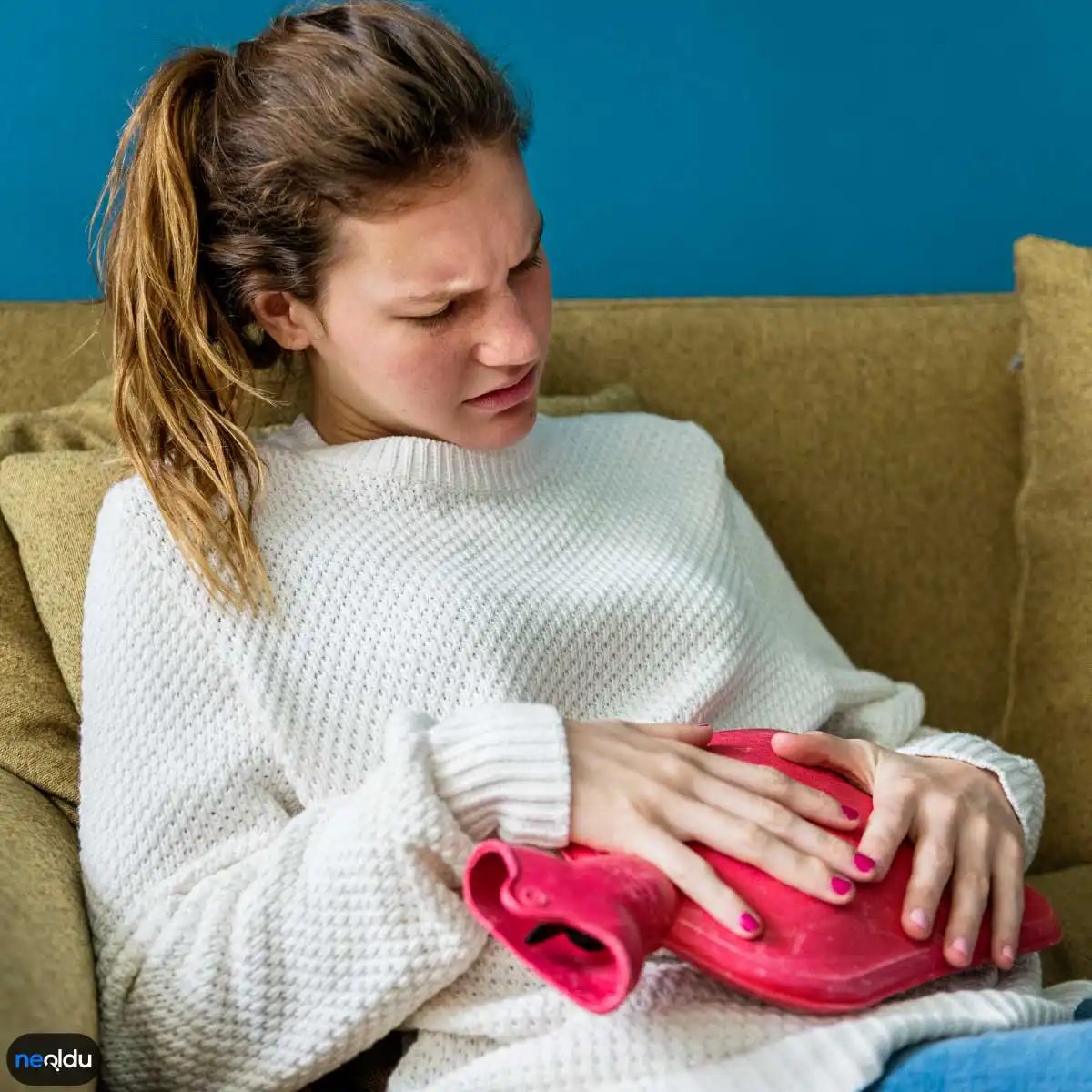
The real challenge comes when cramps set in. Period pain can escalate quickly, turning a manageable week into a battle for comfort. The throbbing, the sharp pains—it changes the entire dynamic of your day.
Why Does Your Body React This Way?
Understanding why you feel this way helps. It’s not just “being dramatic.” It’s biology.
Hormonal fluctuations drive both the emotional shifts and the physical discomfort. When progesterone and estrogen drop, your body reacts. Inflammation rises. Blood flow changes. Muscles contract.
This is why you might feel bloated even though you haven’t eaten much. This is why your skin breaks out despite your routine. Your body is doing a massive cleanup operation.
Practical Steps to Feel Less Like a Zombie
You don’t need to white-knuckle through the pain. There are small, concrete adjustments that can shift the needle.
- Hydrate aggressively. Water helps with bloating and constipation. It sounds simple, but it’s often overlooked.
- Heat is your friend. A heating pad on your lower abdomen relaxes the uterine muscles. It’s a classic for a reason.
- Move, even if it’s just walking. Strenuous exercise might be off the table, but a light stroll can boost endorphins and reduce cramping.
- Listen to your cramps. If the pain becomes severe or unusual, don’t ignore it. Severe period pain isn’t something you just “push through.” It’s worth checking with a doctor.
The Emotional Component
Mood swings aren’t just in your head. They’re real.
The drop in serotonin can make you feel anxious, sad, or irritable. Acknowledge it. Don’t beat yourself up for feeling down.
Tell your partner. Tell your boss. Say, “I’m in my cycle.” You don’t owe them a detailed medical explanation, but you do owe them context.
When to Seek Help
Most of the time, period symptoms are manageable. But if you’re missing work. If you’re vomiting. If the pain isn’t relieved by over-the-counter medication. That’s not “normal.” That’s a signal.
Endometriosis and other conditions can mimic severe PMS. Don’t normalize suffering.
Your body is talking to you. The question is, are you listening?
Why Periods Feel Like a Rollercoaster (And Why That’s Normal)
You wake up. You feel heavy. Maybe your head throbs. Maybe your stomach is in knots. Or maybe you just can’t stop crying over a commercial for dog food.
This is not you being broken. This is biology doing its messy, complicated work.
During menstruation, your body is undergoing a massive reset. Hormones like estrogen and progesterone drop sharply. The drop triggers a cascade of physical and emotional responses. It is normal to feel exhausted. It is normal to feel irritable. It is normal to feel like your skin is betraying you.
Common symptoms include:
– Fatigue and general weakness
– Digestive issues like constipation or diarrhea
– Stress and anxiety spikes
– Breakouts and acne flare-ups
– Heart palpitations or racing heart
– Cramps and pelvic pain
– Insomnia or restless sleep
– Increased appetite or cravings
– Bloating and water retention
– Headaches
– Mood swings, including sudden urge to cry
– Hot flashes
It feels chaotic because it is. Your body is shedding a lining it built up. It is processing blood. It is regulating temperature and fluid. It is not asking for your permission to do it.
The Nutritional Shift You Actually Need
What you eat during this window matters more than you think. It’s not about restriction. It’s about support.
Your body is losing iron. It is inflamed. It is stressed. Feed it accordingly.
Iron is key. Red meat, spinach, lentils. You need to replenish what you lose. Without it, the fatigue gets worse. The brain fog thickens.
Magnesium helps with cramps. Dark chocolate. Nuts. Leafy greens. It relaxes muscles. It calms nerves. It’s a small tweak. The relief is often immediate.
Hydration fights bloating. It sounds counterintuitive. You want to drink more water when you feel swollen. Sweat out the sodium. Keep the fluid balance steady. Warm water with lemon or ginger tea can soothe the gut.
Avoid the sugar crash. High-sugar foods spike your energy then crash it. This worsens mood swings. Stick to complex carbs. Oats. Quinoa. Whole grains. They release energy slowly. They keep you grounded.
Mental Health and the Hormone Drop
Why do periods feel harder emotionally than physically for some women? It varies. But for many, the hormonal drop hits the neurotransmitters. Serotonin dips. Dopamine dips.
You might feel irritable. You might feel sad. You might feel angry at nothing. This is the premenstrual syndrome (PMS) or premenstrual dysphoric disorder (PMDD) speaking. It is chemical. It is real.
Practical steps for the mental load:
- Lower your expectations. If you have a period, assume you will have less energy. Cancel the non-essential social plans. Say no to the extra project. Protect your peace.
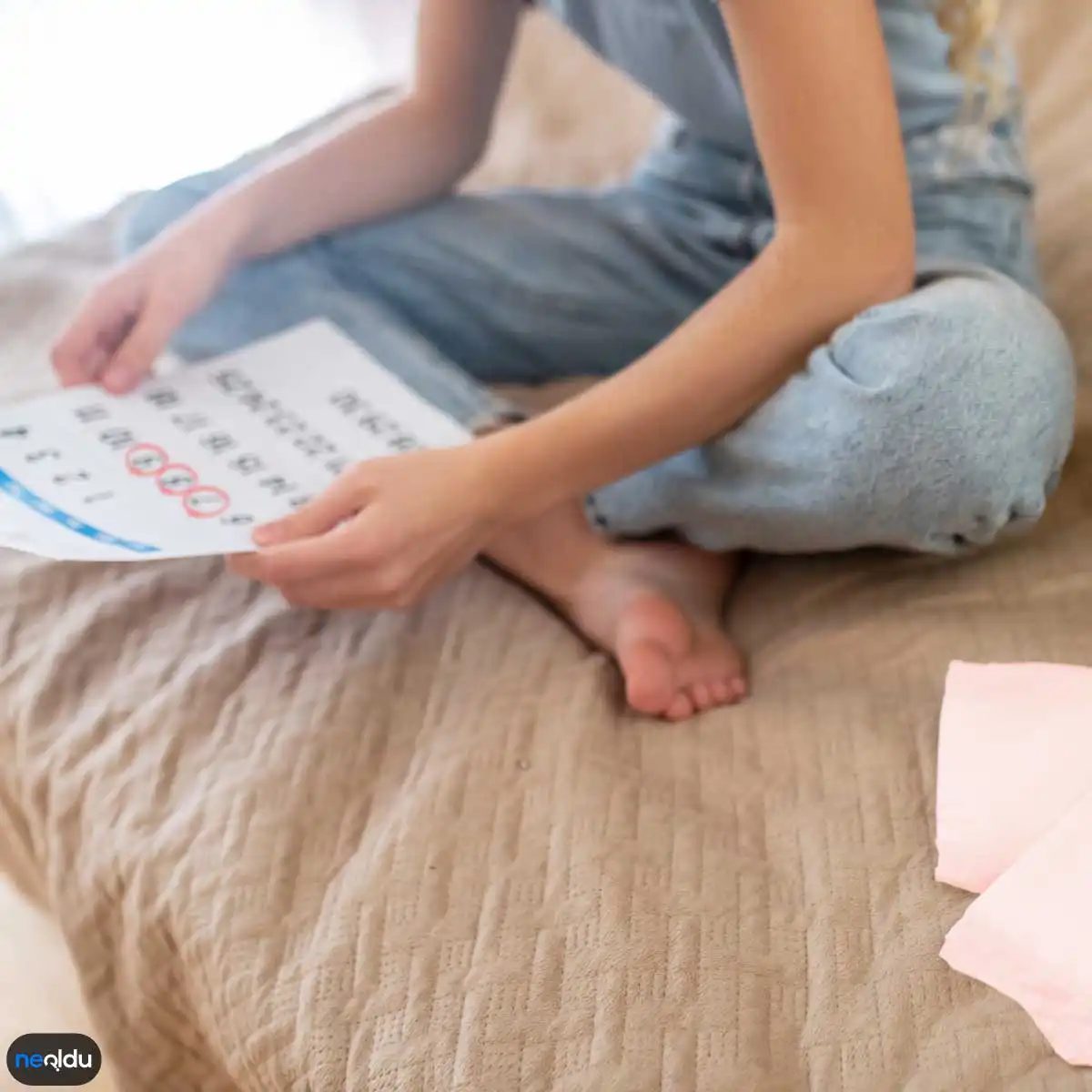
- Track your cycle. Use an app. Note how you feel. Look for patterns. Knowing that irritability is coming on day 24 helps you prepare. It doesn’t make it better. But it makes it predictable. Predictability reduces anxiety.
3
Neden bu kadar şişkin hissediyorsun?
Karında bir şişkinlik hissediyorsun. Regl döneminde bu durum gayet normal. Vücut su tutma eğilimi gösteriyor. Ayrıca aşırı susama hissi baş ağrısı gibi sıkıntılara zemin hazırlıyor. Tatlı yeme isteği de buna eşlik ediyor. Göğüslerde şişme ve hassasiyet de diğer yaygın belirtiler arasında. Her kadında aynı şiddette olmasa da neredeyse hepsiyle karşılaşılabilir.
Ruhsal dalgalanmalar da cabası. Ani değişimler yaşayabilirsin. Bu süreçte kendine karşı şefkatli olmalısın. Vücudun verdiği sinyalleri görmezden gelmek yerine dinlemek daha sağlıklı.
Menstrüasyon sırasında diyetinizde ne var?
Beslenmeye dikkat etmek şart. İlk kural basit: tuz ve şeker tüketimini azaltın. Vücut zaten su tutuyor. Tuz bu süreci daha da kötüleştirir. Şeker ise enflamasyonu artırır. Kahve, çay ve asitli içeceklerden uzak durun. Kafein sinir sistemini uyarır. İrritasyonu artırır. Asitli içecekler ise sindirim sistemini yorabilir.
Kırmızı et tüketiminden kaçının. Süt ve süt ürünleri de tercih edilmemeli. Bazı kadınlar için laktoz şişkinliği daha da artıran bir faktör olabilir. Çikolatadan kaçının. Kilo alıyorsa zaten problem. Ama asıl sorun bu dönemde metabolizmanın yavaşlaması. Ekstra kalori depolamak istemiyorsun.
Hangi gıdalar size iyi gelir?
Kuru meyve, sebze ve meyve tüketin. Beyaz et tercih edebilirsiniz. Alkol ve sigara kesinlikle yasak. Bunlar vücuttaki toksin birikimini artırır. Regl dönemini daha zor bir hale getirir.
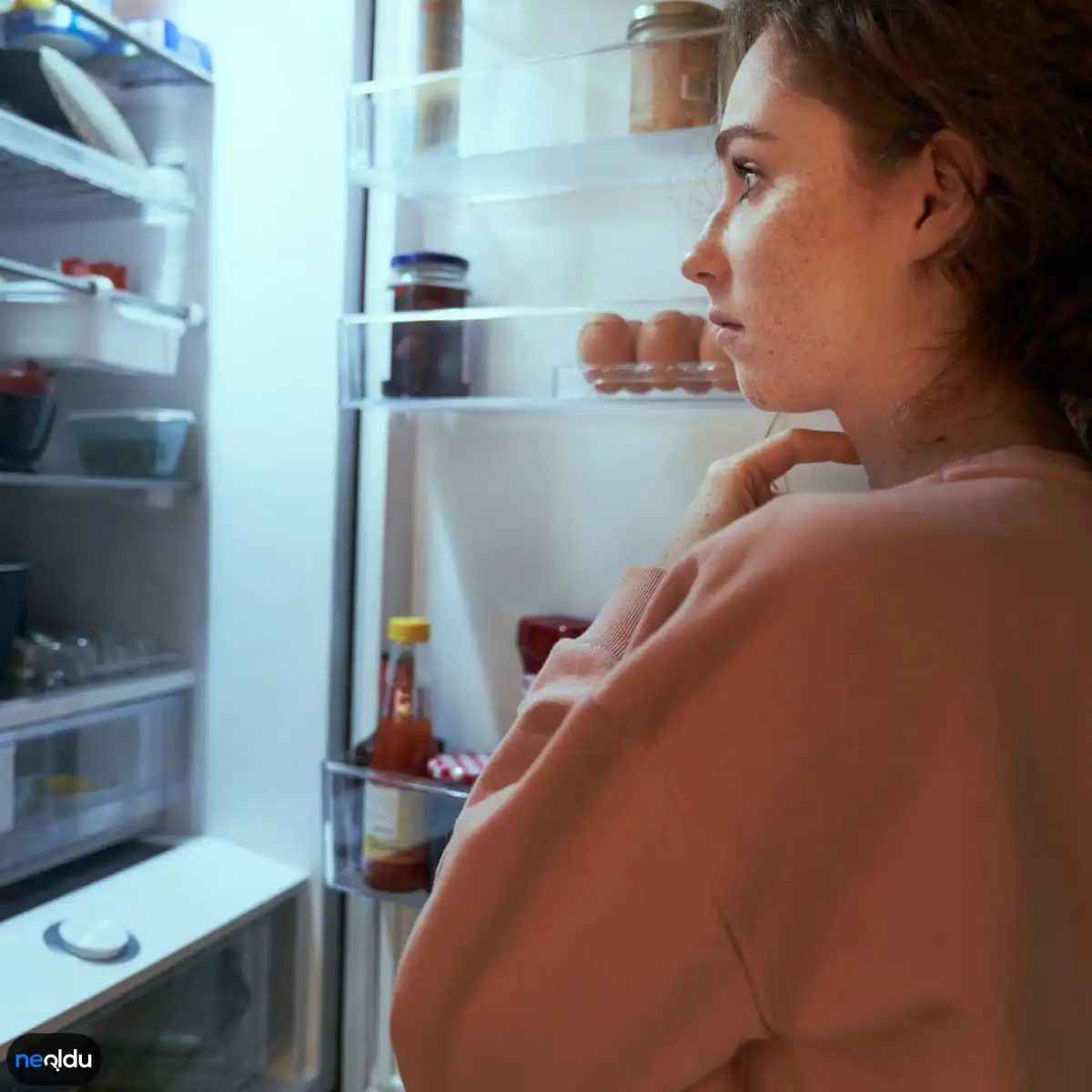
Genç kızlar ve kadınlar kendilerine iyi bakmalı. Beslenme bu süreçte büyük bir etken. Yeterli ve düzenli beslenme sağlanmalı. Sıvı tüketimine özen gösterin. Su içmek şişkinliği azaltmaya yardımcı olur. İştah artışı yaşanır. Özellikle tatlı krizleri sıkça görülür. Bu durumda bilinçsizce tüketilen bazı gıdalar durumu daha da kötüleştirir.
Bilgi eksikliği veya aceleci alışkanlıklar bu süreci zorlaştırır. Dengeli beslenmek, vücudun doğal ritmine saygı duymakla başlar.
Beslenme Düzenlemeleri: Tuz ve Şekerin Rolü
Regl dönemi öncesi son haftada tuz tüketimini ciddi anlamda düşürmek gerekiyor. Normal şartlarda da az tuz almak sağlık açısından iyi olsa da bu özel günlerde vücuttaki su tutulumunu engellemek hayati önem taşıyor. Tuz arttıkça göğüslerdeki hassasiyet, şişkinlik ve gerginlik de artıyor. Bu süreçte hem adet öncesi hem de adet döneminde sodalı içecekler ve işlenmiş gıdalardan uzak durmak mantıklı.
Şeker krizleri de aynı derecede dikkatli olunması gereken bir konu. Çikolata ve benzeri tatlılar ilk başta rahatlatıcı gelse de aslında uykusuzluk ve sinirlilik yapabiliyor. Eğer acil bir tatlı ihtiyacı varsa bitter çikolata daha iyi bir seçenek olabilir ama en sağlıklı yol fıstık, fındık veya ceviz gibi kuruyemişlerle doymak. Hafif tatlılarla bile bu isteği dengelemek mümkün.
İçeceklerdeki Kafein ve Asit Tuzağı
Kahve, çay, asitli içecekler ve alkol bu dönemde kesinlikle tabu. Asitli içecekler sağlığa genel olarak zararlıyken, bu hassas dönemde vücuttaki kirliliği artırıyor. Kafeinli içecekler ise uykusuzluk ve huzursuzluk yaratıyor. Alkol de benzer şekilde titreme ve uyku bozukluğu riskini artırıyor. Yani madem sinirler gerilecek, uyku kaçacak, o zaman neden bu içecekleri tercih edelim ki? Su en iyi arkadaşın olmalı. Yeterli miktarda su içmek vücuttaki toksinleri atmak ve cildi nemli tutmak için şart.
Yiyecek Seçimleri: Hangi Et? Hangi Meyve?
Kırmızı et, süt ve süt ürünleri tüketimini azaltmak gerekiyor. Aşırı yağlı yiyecekler ve hamur işleri ise tamamen devre dışı. Balık ve tavuk gibi beyaz etler daha hafif seçenekler. Lifli gıdalar sindirim sistemini rahatlatıyor. Sebze ve meyve tüketimini artırmak gerekiyor. Kuru meyveler tatlı krizlerini bastırmada yardımcı olurken vücuda doğal şeker sağlar. Özellikle susuz kalmamak için bol su içmek, yorgunluğu azaltmak için en pratik çözüm.
Hijyen ve Ped Seçimi: Cildini Koru
Regl döneminde hijyen sadece temizlik değil, cildin sağlığıyla ilgili bir konu. Ped seçerken yumuşak ve pamuksu olmasına dikkat et. Sert materyaller cildi tahriş edebilir, hatta enfeksiyon riskini artırabilir. Pedler tek kullanımlık ürünler. İç çamaşırına yerleştirilip kanamayı emmek için tasarlanmışlar.
Pedi ne sıklıkla değiştireceğin kanamanın yoğunluğuna göre değişir. Genellikle 4 saatte bir değişim önerilir ama bu kişiden kişiye farklılık gösterebilir. Ped paketini açıkta bırakmak da hijyen açısından riskli. Ürünü elinle tutarken temiz eller kullanmak, özel bölgeye temas eden tarafa el sürmemek önemli adımlar.
Rural bölgelerde veya bazı durumlarda bez kullanımı yaygın olabilir. Bez de pamuklu, yumuşak ve nefes alabilen olmalı. Sert kumaşlar tahrişe neden olur. Ped veya bez seçerken cildin verdiği tepkilere kulak ver. Rahatsızlık hissediyorsan hemen üreticiyi veya içeriği değiştir. Hijyen kurallarını çiğnemek hastalık kapmak demektir. Temizlik rutinini ihmal etme.
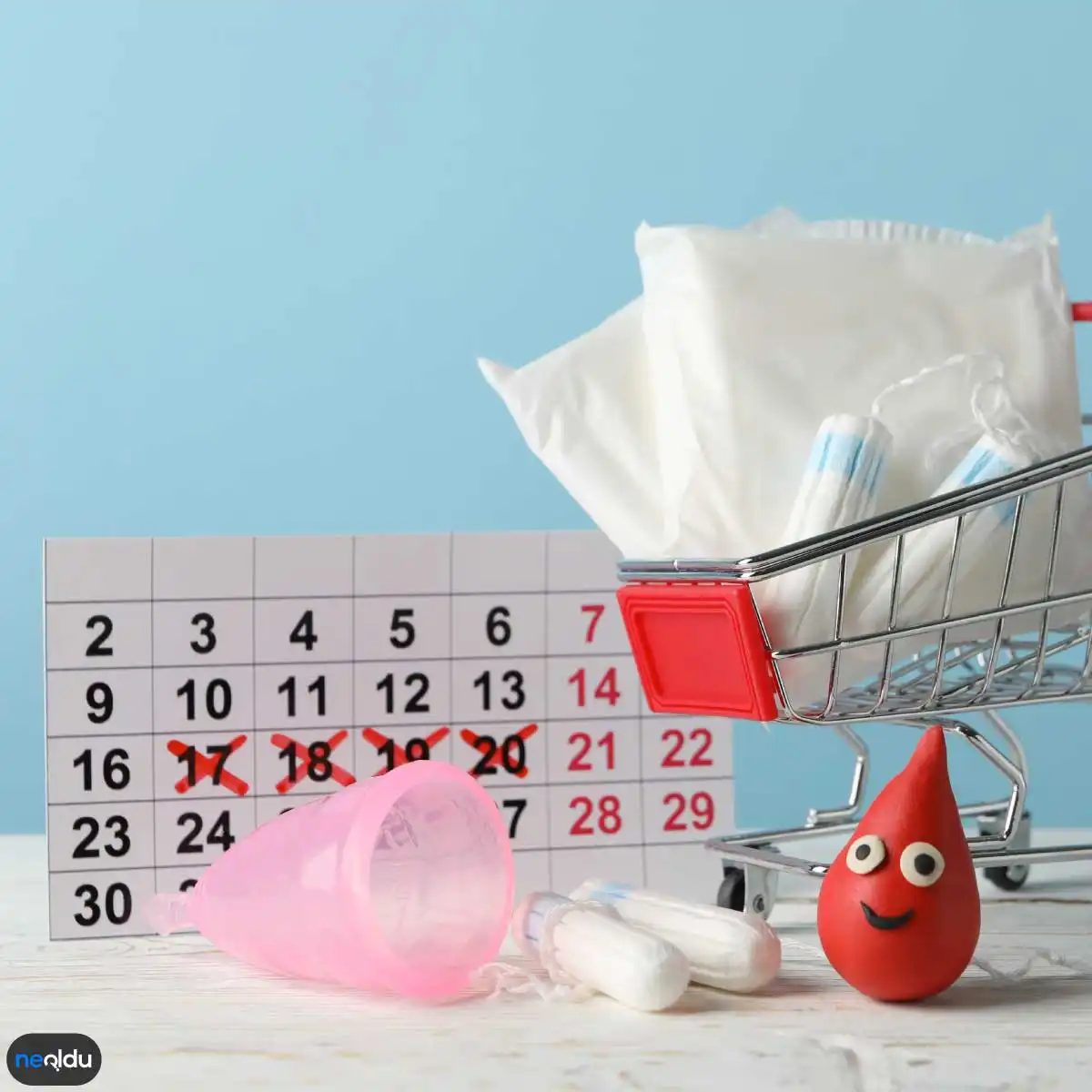
Hygiene Habits That Actually Stop Infections
Let’s be real about the laundry situation. Cloth pads and period underwear are great, but they demand respect. You can’t just toss them in a pile and hope for the best. The cleaning process needs to be thorough. The timing of the change matters just as much. If you are swapping to tampons, the rules shift slightly.
Tampon use has exploded recently. It offers a different kind of freedom. But it comes with risks. These products are manufactured cleanly. That doesn’t mean they are safe for everyone. Sometimes they introduce bacteria. Infections happen. That is why you should talk to your doctor before starting tampons. Don’t guess with your health.
Daily hygiene during your period requires a specific approach. Front to back. Always. Washing from the front toward the back keeps things where they belong. Stop right there. Do not bring bacteria with you.
Drying off is where most people slip up. Moisture is the enemy. If your genital area stays damp, you are inviting trouble. Fungi love humidity. Bacteria thrive in wet environments. Pat dry. Don’t rub aggressively. Just ensure the area is completely dry before putting on fresh underwear.
Shaving is a hard no during your cycle. The skin is sensitive. Razors cause micro-tears. Those tiny cuts are open doors for infection. Irritation is inevitable. Stick to products designed for sensitive areas. Gentle matters. Harsh chemicals do not.
Managing the Emotional Rollercoaster
Your brain and your hormones are at war. This is not just in your head. It is biology. The weeks before your period. The days during it. Mood swings are normal. We call it PMS. Premenstrual syndrome. It hits different for everyone.
Stress usually tops the list of triggers. When you are already stressed, the physical symptoms feel heavier. The emotional load increases. You might feel irritable. Anxious. Sad. None of this is a character flaw. It is a physiological response.
Understanding this link helps. You can plan for it. Rest when you need to. Let go of perfection. Your body is doing hard work. Give yourself grace. The storm will pass. It always does.
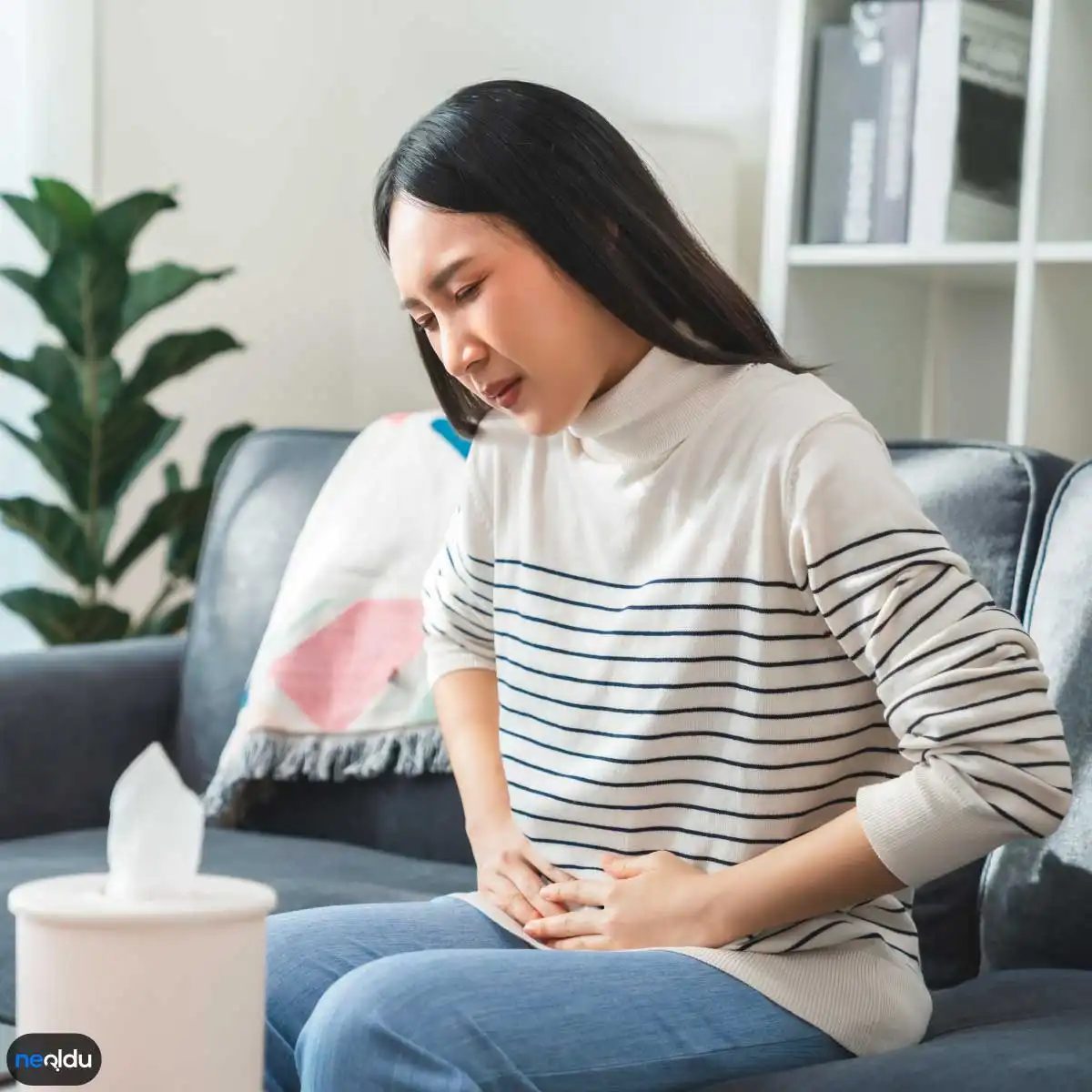
Ovülasyon sonrasındaki o gri günlerde bedeninizle savaşmak zorunda kalmayın. Öncesinde ve regl süresi boyunca süren bu tablo aslında normal. Uykusuzluk, sinirlilik, aşırı hassasiyet ve vücutta tutan sıvılar… Yorgunluk, halsizlik, ani iştah değişiklikleri, baş ağrısı ve kasık bölgesindeki sızılar da buna dahil. Sakarlık bile olabilir. Gözlerinizden yaşlar ve sıcak basması da sıkça yaşananlar arasında.
Regl Döneminde Egzersiz
Ne yaparsanız yapın, gün içindeki o yorgun hissi atlatmanın en iyi yollarından biri hafif hareket etmek. Sabah yataktan kalkamadığınız için spor yapamıyorum deme lütfen. Hareket etmek, endorfin salgılatır. Kriz anında sizi kurtarabilir.
Yürümek bile başlangıç için yeterli.
Koşmak istemiyorsanız, pilates yapın. Veya sadece 10 dakika esneme hareketleriyle başlayın. Kas ağrılarınız varsa, ılık bir banyo sonrası hafif yoga pozları kurtarıcı olabilir. Sıcak basmalarınız kontrolsüzse, terletici sporlardan kaçının. Nefes egzersizleri de gerginliği azaltır.
Asıl önemli olan, bedeninizi dinlemek.
Ağrı kesicilerle meşgul olmak yerine, hafif aktiviteyi tercih edin. İştahınızın değiştiği günlerde, protein ağırlıklı ve kompleks karbonhidrat içeren besinler tercih edin. Bunlar enerji düzeyinizi destekler. Sıvı alımınızı artırın. Şişkinliği azaltmaya yardımcı olur.
Gözlerinizden yaşlar geldiğinde, bunalmayın.
Doğal bir süreç. Kendinize şefkat gösterin. Zorlamayın. Kendinizi dinleyin. Belki bugün sadece uzanmak istiyorsunuz. O da olur.

Oysa o günlerde yataktan kalkmak bile bir zaferse, spor salonuna gitmek mi kalıyor? Mantıken saçma geliyor. Ama tıbbın kabul ettiği bir gerçek var: hareket, doğal bir ağrı kesici. Sadece ağrıyı hafifletmekle kalmayıp, adet dönemindeki ödem atımını ve şişkinliği de yönetmenize yardımcı oluyor. Hatta bazı araştırmalar, bu dönemde yapılan fiziksel aktivitenin metabolizmayı farklı bir şekilde tetikleyerek yağ yakımına destek olabileceğini öne sürüyor. Yani hem karnınızı bastırıyor hem de formunuzu korumanıza katkı sağlıyor.
Regl döneminde hangi egzersizler etkilidir
Her spor türü bu dönem için uygun değil. Yüksek intensiteli, yüksek darbeli antrenmanlar stresi artırabilir. Bunun yerine odaklanmanız gerekenler şu iki alan:
- Yoga: Vücudun direncini düşüren, sakinleştiren hareketler.
- Pilates: Çekirdek kaslarını güçlendiren, ancak aşırı zorlamayan kontrollü hareketler.
Planınızı birkaç gün önceden yapın. Regl olacağınız tarihten birkaç gün önce hafif yoga seanslarına başlamak, ilk iki gündeki kramp şiddetini belirgin şekilde azaltabilir. Vücudunuzu dinlemek şart. Ağrı kesici etkisi kanıtlanmış bu yöntem, zorla değil; akıcı bir şekilde uygulanmalı. Sabah uyanıp bacaklarınızın çektiğini hissettiğinizde, sadece derin nefes alıp hafif bir gerinme hareketi yapmak bile fark yaratır. Sonuçta, vücudunuzu zorlamak değil, onu desteklemek gerekiyor.
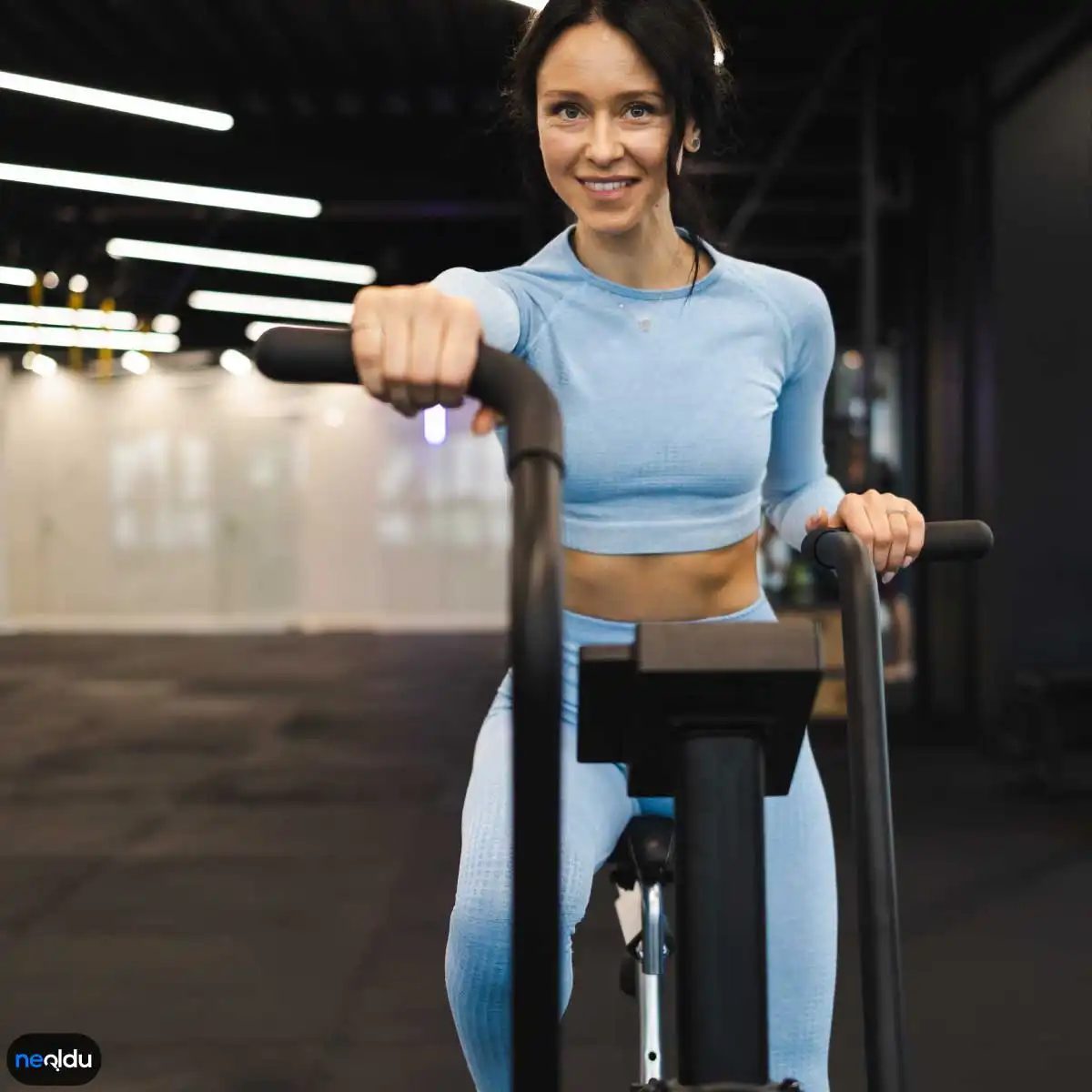
How to Exercise During Your Period Without Making Cramps Worse
Two simple principles can help your body relax and lengthen, easing the tension that shows up with your period. Getting this right before your cycle starts helps. Exercise keeps issues like muscle fatigue, exhaustion, breast tenderness, and cramps at bay. You move through this process with more peace.
There are rules for working out during your period. They aren’t hard. But they matter.
What to Avoid When You’re On Your Period
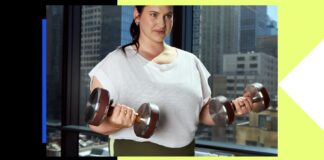
First, skip exercises that spike intra-abdominal pressure. Think explosive movements. If you lift weights, drop the weight. Don’t go heavy. Warm up more. Stretch better.
Skip team sports. Avoid exercises that rely on quick reflexes. Your body is not in the mood for chaos right now.
The Best Types of Exercise for Menstrual Discomfort
Gentle movement beats intensity. Yoga. Walking. Light swimming. These activities help blood flow. They reduce bloating. They ease pelvic pain.
Listen to your body. Some days you need a full workout. Other days, a walk is enough. Both count.
Why Gentle Movement Helps More Than Heavy Lifting
Heavy lifting increases pressure in your abdomen. This pressure can worsen cramps. It can lead to heavier bleeding. Gentle stretching does the opposite. It releases tension. It calms your nervous system.
How to Modify Your Workout Routine
- Reduce weight by 20-30%.
- Increase warm-up time.
- Add more stretching at the end.
- Skip high-impact jumps.
- Focus on breath and flow.
Your body changes throughout your cycle. Your workout should too.
Common Mistakes Women Make
Pushing through pain. Ignoring your energy levels. Sticking to a rigid routine. None of this works well during your period. Adapt. Adjust. Be kind.
What Experts Recommend
Most experts suggest low-impact cardio. Yoga is top-tier. Pilates works too. Avoid HIIT if cramps are bad. Listen to what feels good.
The Bottom Line
Move gently. Stay hydrated. Rest when needed. Your period doesn’t have to be a full stop. It can be a pause. A chance to reconnect with your body.
What works for your body?
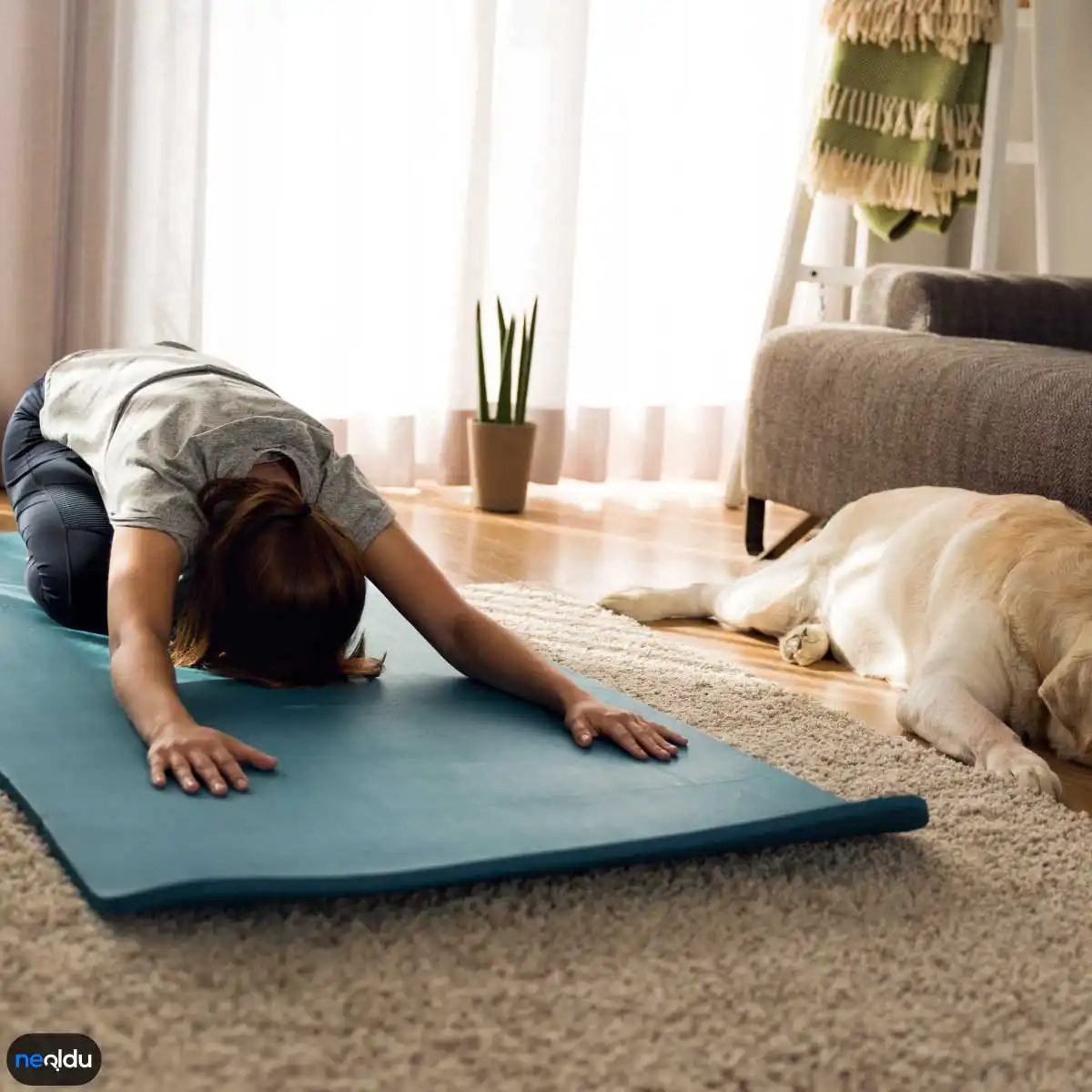
Why High-Intensity Cardio Isn’t Always the Move During Your Period
Forget the “no pain, no gain” mantra for a few days. When your cycle hits, your body is signaling for a different kind of movement. Instead of pushing through grueling high-intensity interval training or chasing personal bests on the treadmill, shift your focus.
Opt for long, steady-state cardio. Think a brisk walk or a gentle jog that keeps your heart rate up but doesn’t leave you gasping. Pair this with high-repetition, light-weight strength work. You aren’t building bulk right now; you’re maintaining tone.
It’s tempting to fill up on carbs immediately when you feel tired, but hold off. Your muscles and liver are primed to absorb glycogen during this window. If you overload on sugar now, you might just store it as fat. Let your body do its natural replenishment process first.
The Emotional Shift: What Does Your Body Actually Want?
Admit it. When that first drop appears, you don’t want a pep talk. You want to be told you look beautiful, even if you’re wearing sweatpants that haven’t seen sunlight in three days.
Women on their period often crave connection without demand. It’s like being a cat that wants to be petted but refuses to move from the blanket. You might want to stay in bed all day. You might want to binge-watch a show while eating junk food. You likely do not want to scrub the bathroom tiles.
This isn’t laziness. It’s a physiological need for rest and comfort. Honor it.
Inside the Body: What’s Actually Happening?
The bloating, the headaches, the sudden thirst—it’s all part of the package. During menstruation, your body undergoes a series of shifts.
“Adet döneminde vücutta birçok durum görülebilir.”
Common symptoms include constipation or irregular bowel movements. You might feel an unusual thirst. Appetite spikes, especially for specific cravings. Headaches are frequent. And then there’s the swelling—tender breasts and a bloated lower abdomen.
These aren’t anomalies. They are the standard operating procedures for a functioning reproductive system.
Sex During Menstruation: The Practical Reality
Can you have sex? Yes.
If you’re feeling up to it and not in pain, intimacy is perfectly fine. However, there is one non-negotiable rule: use a condom.
Why? Because during your period, your cervix opens slightly to allow the uterine lining to shed. This creates a direct pathway for bacteria to enter. While pregnancy is unlikely, infection risk is higher. Protection is mandatory for hygiene and safety, not just contraception.
Debunking the “Dirty Blood” Myth
Let’s clear this up once and for all. Period blood is not dirty. It is not toxic waste.
The idea that menstrual blood is “impure” or “filthy” is a harmful misconception with no basis in biology. The blood that flows is a result of hormonal changes. It consists of the shed cells from the uterine lining (endometrium). It is clean, natural bodily fluid. Stop treating it like a stain on your soul. It’s just life.
How to Ease Menstrual Cramps Naturally
Suffering through severe cramps is often mistaken for resilience. It isn’t. It’s unnecessary.
Exercise acts as a natural painkiller during this time. It releases endorphins, which block pain signals. But you don’t need to lift heavy weights to get this benefit. Gentle movement is enough.
Walking is surprisingly effective. It increases blood flow to the pelvic area, reducing the intensity of contractions. It also calms the mind. The physical act of walking helps detach you from the cycle of pain, offering a moment of peace.
“Yürüyüş yapmak sancı ve karın ağrılarını azaltmaktadır.”
If you can, take a walk. Just ten minutes. It changes your chemistry.
Yoga and Meditation: Your Best Friends This Week
Stress makes cramps worse. Period.
Yoga and meditation are not just spiritual practices; they are physiological tools. During menstruation, your nervous system is sensitive. High stress