
Let’s be real. The conversation around women in politics has shifted from “should we?” to “why isn’t it faster?” It’s everywhere now. Women’s roles in decision-making aren’t just a checkbox for diversity reports. They’re the backbone of actual gender equality. You can’t have a fair society with half the population sitting on the sidelines.
But here is the hard truth. Representation is still painfully low globally. We are talking about systemic barriers, not just bad luck. Until women are in the room where it happens—not just present, but powerful—the promise of equity remains just a slogan.
We need to look closer at what this participation actually looks like. Why does it matter? How does it change policy? And what specific hurdles do female leaders face that their male counterparts don’t? This isn’t just about politics. It’s about who gets to define the future.
The Reality of Representation
Most people think the glass ceiling is cracked. It’s more like a vault door. In many places, women still don’t hold the keys. This isn’t an accident. It’s a design flaw in how political systems have been built for centuries.
When women enter the political arena, they aren’t just adding another vote. They are changing the conversation. Research consistently shows that female legislators prioritize different issues. Healthcare. Education. Social safety nets. These aren’t “soft” topics. They are the infrastructure of a functioning society.
Yet, the numbers remain stubborn.
“Equality is not a zero-sum game. When women rise in politics, communities thrive.”
This isn’t about women replacing men. It’s about fixing a broken system.
What Changes When Women Lead?
You might ask, “Does it actually change anything?” The answer is yes. But not in the flashy, headline-grabbing way you see in movies. It changes in the details.
- Policy Focus: Women in office are more likely to introduce bills related to childcare, domestic violence prevention, and equal pay.
- Collaborative Style: Studies suggest women often adopt more bipartisan, collaborative approaches to law-making, breaking gridlock.
- Role Modeling: Seeing women in power inspires the next generation to take up space.
These shifts are subtle. They happen in committee rooms, not just on the floor. But they compound over time.
The Barrier Isn’t Just Bias—It’s Structure
Blaming individual bias is easy. It’s also incomplete. The real issue is structural. Campaign financing favors incumbents. Most incumbents are men. Voting patterns often favor traditional candidates. The pipeline to power is leaky.
Women face higher scrutiny. They’re told they’re too aggressive or not aggressive enough. Too emotional or too cold. It’s a catch-22 that doesn’t exist for men.
Breaking through requires more than just candidates. It requires a change in how we view leadership itself. Is leadership still seen as a masculine trait? If so, that’s the first thing to dismantle.
Why Your Vote (and Voice) Matters
You don’t have to run for office to make a difference. But you have to care. Political participation starts long before election day. It’s in the school board meetings. The city council hearings. The local party conventions.
Ignorance is the biggest ally of the status quo. Learn who is
The Reality of the Gender Gap in Politics
It’s a fact we keep circling back to: women are still underrepresented in political arenas. When half the population is missing from the room where decisions are made, the policies that get passed are inherently incomplete. This isn’t just about fairness. It’s about governance.
When women aren’t at the table, gaps appear.
Gaps in understanding how family leave actually impacts economic stability.
Gaps in realizing that safety infrastructure affects daily commutes differently for women than for men.
The result? Policies that miss the mark. Or worse, policies that actively harm the very people they’re meant to protect.
Why Participation Rates Vary So Widely
Look at the global map. It’s patchy. Some nations have normalized female leadership. Others are stuck in the mud.
Why the difference?
It’s rarely just about laws on paper. It’s about the invisible walls.
Gender bias remains the heavy anchor. Deep-seated prejudices suggest women lack the “stomach” for politics. They’re seen as too emotional. Too soft. Too focused on domestic issues. These stereotypes aren’t harmless. They deter talented women from running in the first place.
Then there’s the access barrier.
Running for office is expensive.
It requires networks.
It demands time.
Women, who still bear the disproportionate burden of unpaid care work, simply don’t have the same bandwidth. Many lack the financial cushion to fund a campaign. They lack the “old boys’ club” connections that often hand-pick candidates. And in some regions, legal hurdles or lack of financial independence make even registering to vote a struggle.
Breaking the Structural Barriers
We can’t wish this away. It requires structural change.
Education and awareness are the first steps. But awareness alone doesn’t change voting patterns. We need concrete policy shifts.
Political parties must stop treating gender equality as an afterthought.
– Quotas have worked in many places, proving that representation can be legislated into existence.
– Strengthening women’s wings within parties gives female politicians a platform and mentorship structure.
– Campaign finance reform can level the playing field by reducing the cost barrier.
Without these changes, the promise of equality remains just that—a promise.
The Cost of Silence
When women are excluded, the entire society loses.
Legislation on healthcare, education, and labor rights suffers from a lack of perspective. The “general welfare” becomes a vague concept, ignoring the specific realities of women’s lives.
This isn’t just a women’s issue. It’s a democracy issue.
A political system that silences half its population isn’t fully democratic. It’s a partial reflection of the people it serves.
And until that changes, the gaps will remain. The policies will still miss. The voice of half the population will still be muffled.
It’s time to stop treating political participation as optional.
It’s time to treat it as essential.
Because silence isn’t neutral.
Silence is complicity.
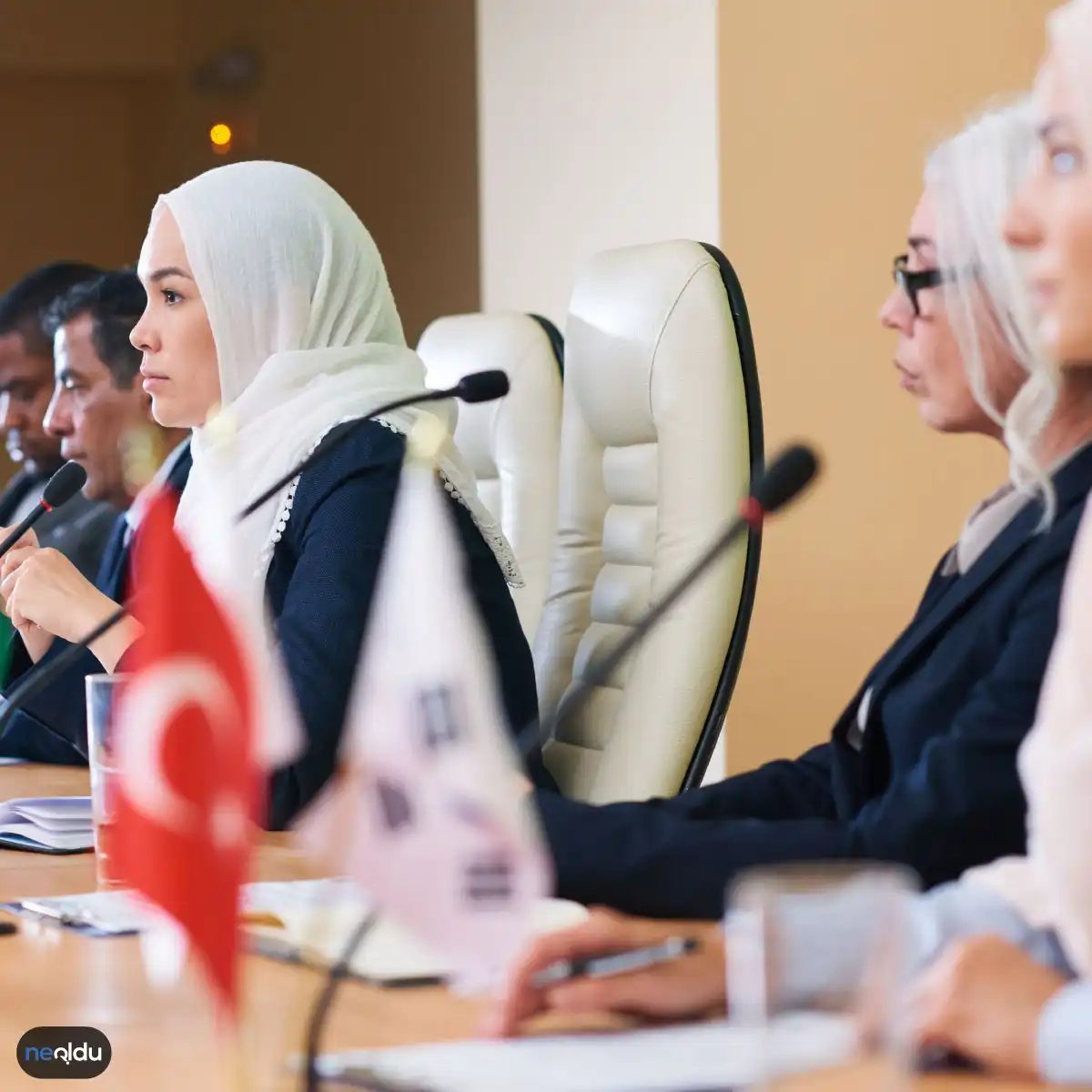
Neden Kadınlar Siyasette Az?
Gerçek şu ki, kadınların siyasette yeterince temsil edildiğini söyleyemeyiz. Durum ülke değiştikçe tamamen değişiyor. Birkaç ülkede oranlar yüksek dururken, başka yerlerde neredeyse yok denecek kadar az. Bu eşitsizliği gidermek için yapısal değişiklikler şart.
En kritik adım? Toplumsal cinsiyet eşitliği odaklı politikaların hayata geçirilmesi. Bu politikalar sadece vaat değil, somut adımlar olmalı. Kotasız ama eşitlik odaklı önlemler de bu süreçte yer alabilir. Siyasi partilerdeki kadın kolları güçlendirilmezse, sistem içinden dönüşüm sağlanamaz.
Kadın Siyasetçiler Ne Değiştirir?
Daha fazla kadın siyasetçi sadece sayıyı artırmaz. Karar alma süreçlerine farklı bir perspektif getirir. Kadınlar, siyasi kararları farklı bir açıdan görür. Bu da toplumsal cinsiyet eşitliği politikalarının geliştirilmesine yol açar. Kadın hakları konuları artık göz ardı edilemez hale gelir.
Liderlik potansiyelleri geliştirilir. Kadınlar siyasi sürece daha aktif katılır. Bu durum toplumsal adaletin sağlanmasına doğrudan katkı sağlar. Siyasette daha fazla yer almak, eşitliğin anahtarıdır.
Somut Adımlar Neler Olmalı?
Siyasi partiler içindeki kadın kolları güçlendirilmeli. Bu kollar, kadın adayların seçimlere hazırlanmasını kolaylaştırabilir. Mentorluk programları, deneyimli kadın siyasetçilerin gençlere aktarımı için hayati önem taşır. Seçim kampanyalarında kadınların sesi duyulmalı.
Toplumsal cinsiyet eşitliği politikaları, kotasız dahi olsa uygulanmalı. Bu politikalar, kadınların siyasi arenada daha fazla yer almasını sağlar. Kadınların siyasi temsiliyeti, sadece bir sembol değil, demokratik bir gerekliliktir.
Etki ve Sonuç
Daha fazla kadın siyasetçi, kadınların perspektiflerinin dikkate alınmasını sağlar. Bu perspektifler, toplumsal cinsiyet eşitliği odaklı politikaların geliştirilmesine yardımcı olur. Kadın hakları konuları gündeme gelir. Siyasi kararlar daha kapsayıcı hale gelir.
Kadınların siyasette daha fazla yer alması, toplumsal cinsiyet eşitliği ve adaletin sağlanmasına katkıda bulunur. Bu süreç uzun sürse de, atılan her adım önemli. Siyasi arenada kadınların sesi yükseldikçe, toplum da değişir.
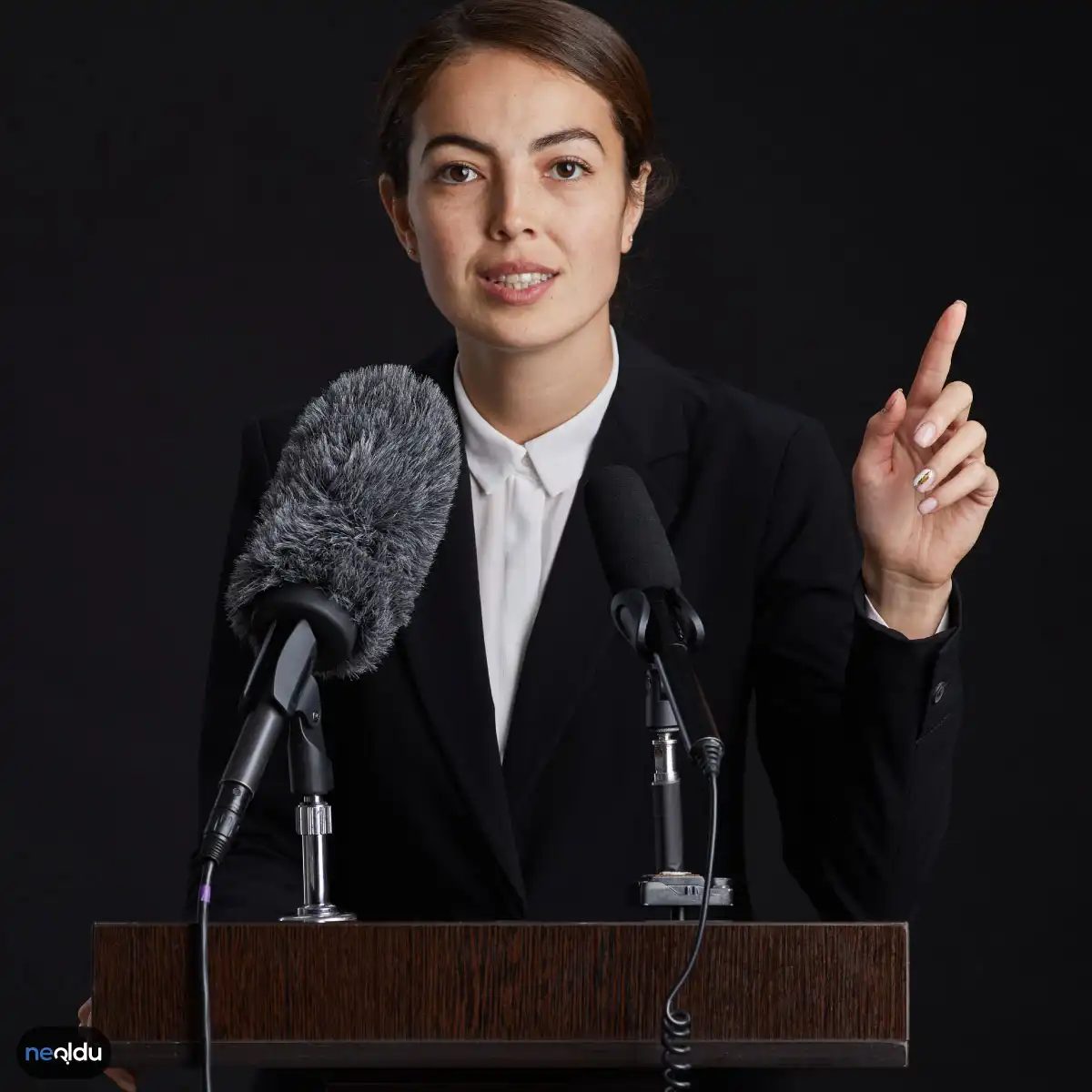
It’s not just about taking up space in the room. Women bring a different lens to policy-making. A lens shaped by lived experience, not just abstract theory. When women enter political arenas, they don’t just replicate existing systems. They challenge them.
Why Women’s Perspectives Matter in Policy
Women in politics often carry a heightened awareness of gender norms. It’s structural. It’s everyday life. This awareness translates directly into legislation. Think about healthcare. Education. Economic equity. These aren’t side issues. They are central pillars of societal function. And women tend to prioritize them differently.
Consider the push for reproductive rights. Or paid family leave. Or protections against workplace harassment. These policies don’t emerge in a vacuum. They come from people who have felt the gaps in the system. Women legislators often fill those gaps. Not because they are inherently “nicer.” But because they are attuned to the details that men might overlook.
“When women govern, they govern differently. They see the human cost behind the statistics.”
This isn’t about essentialism. It’s about perspective. A perspective that adds depth to decision-making.
Fighting for Equity and Human Rights
The impact goes beyond gender-specific issues. Women in politics frequently champion broader human rights. Social justice. Environmental protection. Why? Because these issues intersect. They affect communities disproportionately. Women often lead the charge here.
Look at environmental policy. Women are more likely to support sustainable practices. To advocate for climate resilience. It’s not a coincidence. It’s a pattern observed across cultures and political systems. The same applies to social welfare. Women politicians often push for stronger safety nets. For children’s services. For elderly care.
This focus creates a ripple effect. It forces other lawmakers to address these topics. It shifts the political discourse. It makes these issues unavoidable.
Breaking Barriers: The Need for More Women in Power
So why is this critical? Because representation matters. Not just symbolically. But substantively. Policies change. Resources are allocated differently. When women are at the table, the menu changes.
We need more women in power. Not as tokens. But as leaders. Their presence ensures that policies reflect the needs of the entire population. Not just half of it.
This isn’t a utopian dream. It’s a practical necessity. For true equality. For genuine justice. The political landscape is incomplete without women’s full participation. And until it is, we’re working with half the picture.
The Role of Women in Political Leadership
Leadership styles differ. Women often lead collaboratively. They build consensus. They listen. This isn’t weakness. It’s a different kind of strength. One that requires patience. One that values long-term stability over short-term wins.
In times of crisis, this matters. Think about pandemic response. Countries with female leaders often scored higher in crisis management. Not because of biology. But because of approach. A focus on science. On community care. On transparency.
These traits aren’t exclusive to women. But they are more commonly exhibited by women in power. And they work.
So what’s next? More women running for office. More women getting elected. More women staying in office long enough to pass meaningful legislation. It’s a pipeline problem. And it’s solvable. But it requires intention. It requires support
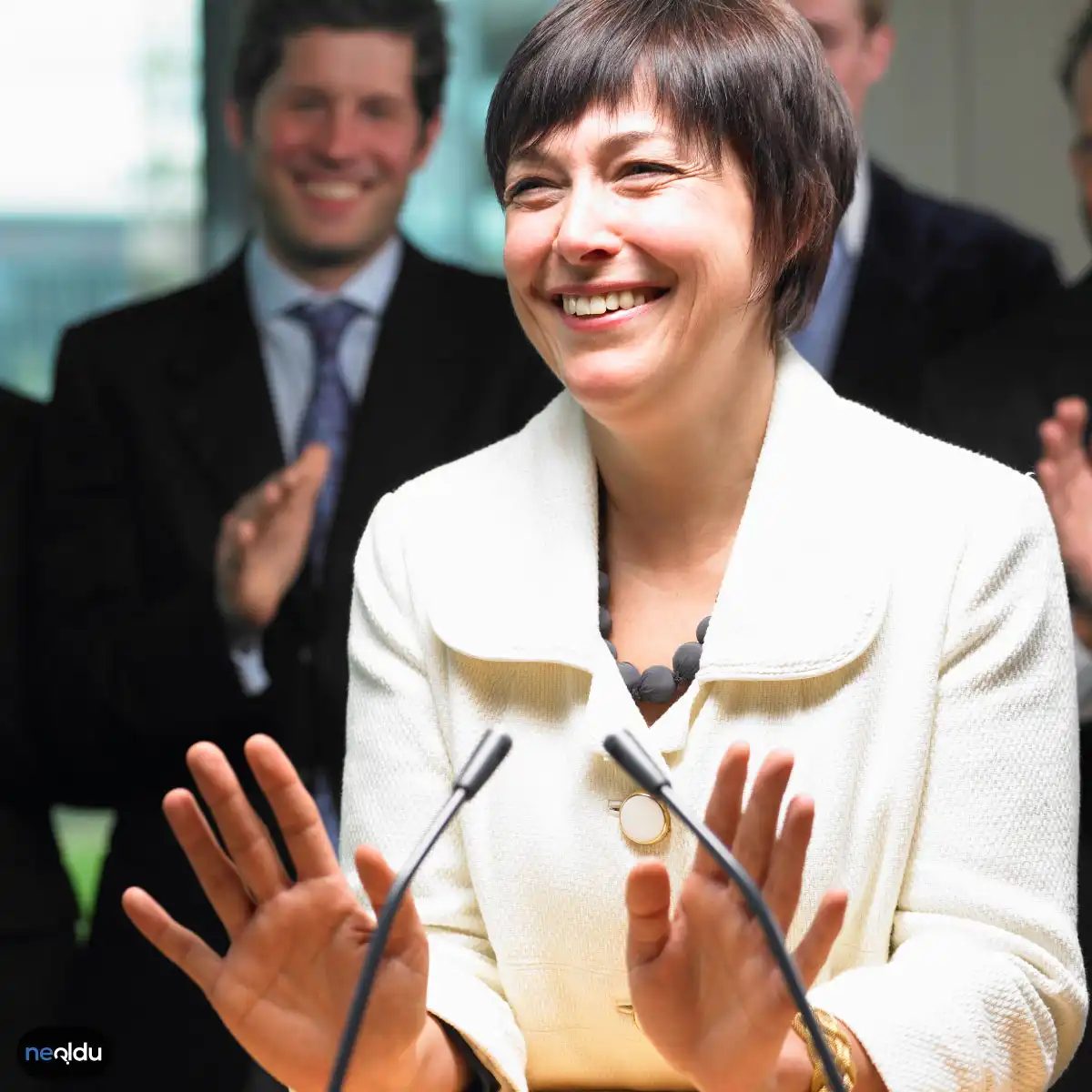
Why Women in Leadership Actually Changes Policy
There is a specific kind of momentum that happens when women step into political office. It isn’t just about filling a quota. It is about shifting the entire center of gravity in a room where decisions are made.
Women in politics are not passive observers. They are active agents of change. When a woman holds power, she often brings a different lens to the table. That lens focuses on equality. It focuses on justice. And it focuses on the people who have been ignored for too long.
Think about the ripple effect. When you see a woman leading, it normalizes the idea that women belong in charge. It dismantles the old, stubborn belief that leadership is a male-only club. This visibility matters. It encourages other women to run. It pushes them to believe they have a voice worth hearing.
“Women leaders play a pioneering role in efforts to increase women’s participation in political life.”
This isn’t theory. It’s practice. Female leaders are out there campaigning. They are raising awareness about the lack of representation. They are fighting for policies that support gender equality. They are bringing women’s rights to the forefront of the political agenda. Without them, these conversations would likely stay in the shadows.
The Practical Impact of Diverse Perspectives
Why does this matter for the average person? Because policy affects daily life. Healthcare. Education. Safety. Economic support for families.
Women tend to approach these issues differently. Not because they are inherently “softer,” but because their lived experiences differ. They see gaps in the system that others might miss. When women are in the room, those gaps get discussed. Solutions get proposed. Laws get changed.
Studies consistently show that as the number of women in parliament increases, so does the attention given to social protection, health, and education. It’s a direct correlation. More women in power means more focus on the things that sustain society.
This doesn’t mean men can’t care about these things. They do. But having women at the decision-making table ensures that these priorities are not just optional add-ons. They become central to the legislative process.
Breaking the Glass Ceiling, One Seat at a Time
Look at the numbers globally. It’s still uneven. In some countries, women hold nearly half the seats. In others, they are barely visible. But the trend is moving. Slowly. Sometimes frustratingly so.
Yet, the presence of female leaders accelerates the push for equity. They mentor the next generation. They sponsor younger women. They create pathways that didn’t exist before.
This is about more than representation. It’s about legitimacy. A democracy that excludes half its population from leadership isn’t fully democratic. It’s compromised.
When women lead, they challenge the status quo. They ask different questions. They demand different answers. And in doing so, they make the political system more responsive to everyone.
The Reality of Representation
It’s important to be honest about the current state of affairs. Women are still underrepresented in political arenas worldwide. The disparity is stark in many regions.
But change doesn’t happen in a vacuum. It happens because someone starts talking. Someone starts running. Someone starts winning.
Female leaders are doing the heavy lifting. They are raising awareness. They are lobbying for change. They are proving that women are capable of wielding power responsibly and effectively.
This isn’t just good for women. It’s good for politics. It brings fresh energy. It challenges entrenched interests. It expands the scope of what is considered “important” in governance.
So, when you see a woman in a high political office, pay attention. Look at what she’s pushing for. Look at who she’s lifting up. That is where the real work of equality happens.
The road isn’t finished. There’s still a long way to go to achieve true parity. But every female leader who takes office is a step forward. They are paving the way. They are showing us that the future of politics includes women. And it always should have.