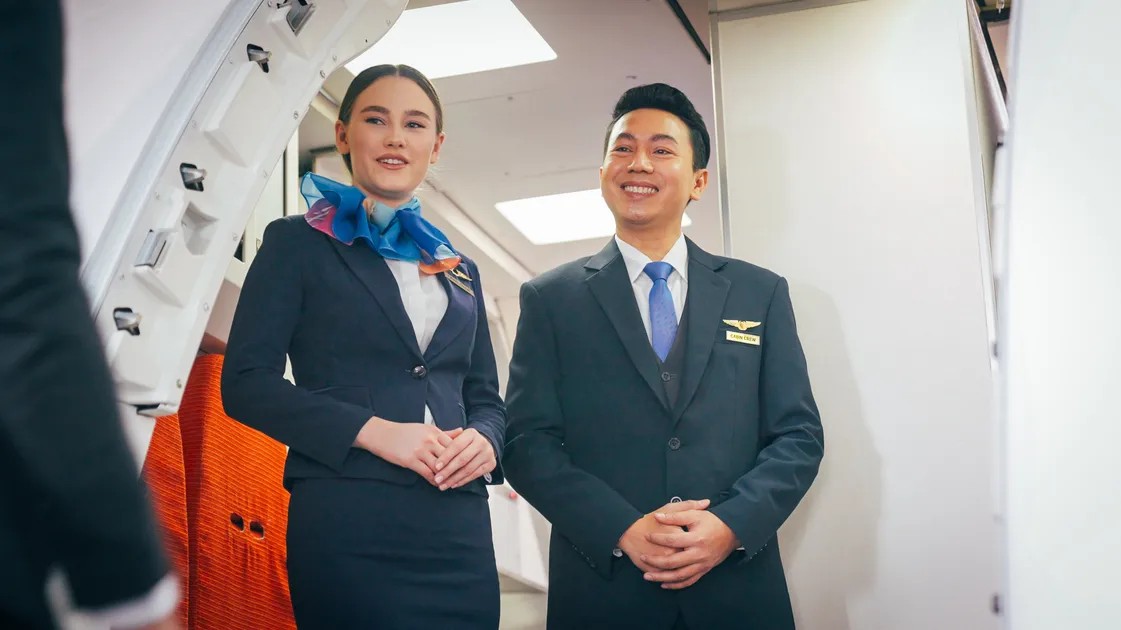
Ви заходите у літак. Співробітник екіпажу стоїть біля дверей. Він усміхається, вітає вас і, можливо, кидає погляд на вашу посадкову квитанцію. Все здається простим і невимушеним, немов зустріч у ресторані чи базовий сервіс гостинності.
Але ці п’ять секунд взаємодії виконують серйозну роботу.
«Посмішка і вітання, які ви отримуєте біля дверей літака, ймовірно, є одним із найкритичніших прийомів, з якими ви коли-небудь стикалися», — сказав Джей Роберт, старший бортпровідник і засновник компанії A Fly Guy Travels. «За ці кілька секунд ми оцінюємо багато чинників. І так, ця оцінка є частиною нашої роботи».
Не про грубість. Мова про виживання.
Як екіпаж оцінює безпеку пасажирів при посадці
Привітання біля входу – це перша лінія оборони від погроз. Екіпаж сканує пасажирів на наявність ознак захворювань, сп’яніння, наявності небезпечних предметів чи речовин. Будь-які фактори, які можуть порушити політ, відразу ж наголошуються.
“Її мета – безпека”, – пояснив Роберт. “Ми постійно скануємо наявність ризиків ще до закриття дверей”.
Ювraj Датта, головний директор з постачання та виручки у Fareportal, згоден. Він наголошує, що це перший реальний шанс задати позитивний тон. Але це також операційний момент. Бортпровідники проводять первинну оцінку. Вони шукають потенційних проблем до вильоту.
Це поведінкова оцінка, замаскована під ввічливість.
“Соціальний підтекст продуманий”, – сказав Антон Радченко, засновник AirAdvisor. «Пасажири поводяться природніше, коли думають, що їх просто вітають. Екіпаж зчитує кожного індивіда: його орієнтацію, стійкість, все, що може стати ризиком у герметичному салоні на висоті».
Чому перевірка на тверезість відбувається вже у гейту
Буйна поведінка зростає. Напади на членів екіпажу частішають. І часто за цим стоїть алкоголь.
Генрі Хартевелдт, аналітик авіаіндустрії з Atmosphere Research Group, пояснює суть процесу. Екіпаж оцінює ступінь сп’яніння пасажирів на момент посадки. Якщо пасажир виглядає явно п’яним? Йому просять показати посадкову квитанцію.
Навіщо? Щоб направити його до крісла та попередити задню частину екіпажу. «Тримайте цю людину на прицілі», — шепочуть вони. «Стежте за його станом».
Роберт підтверджує: сп’яніння – це головний ризик.
“Набагато простіше зупинити людину на порозі”, – сказав він. «Видалити його після того, як він уже влаштувався, — жах. Ми постійно спілкуємось. Я дзвоню в хвіст літака: „Дайте другу думку“. Чи підходить ця людина для польоту?
Політ із п’яним пасажиром — це не просто роздратування. Це дорого.
Колишній пілот Ден Бабб пояснив це дуже ясно. Ви не хочете мати справу з агресивним п’яним на висоті 35000 футів. У такому разі доводиться змінювати маршрут. Це коштує грошей. Це забирає час. Впіймайте проблему біля виходу.
Правові наслідки відмови у посадці
Помилки мають наслідки.
“Посадка недієздатного пасажира створює юридичні та операційні ризики”, – попередив Радченко. Агентури на гейте вже проводять попередній скринінг. Якщо людина відмічена знову біля дверей, авіакомпанія має дві документальні підстави для відмови.
Якщо вам відмовили в посадці, закони авіації виходять з того, що екіпаж мав рацію. Їхні повноваження широкі за задумом. Заперечити їх складно. Вам потрібно довести, що рішення було довільним. Не просто незручним, саме довільним.
Бажаєте боротися? Отримайте письмове пояснення, перш ніж залишати гейт. “Цей документ – ваша відправна точка”, – сказав Радченко.
Ознаки захворювань та порушення гігієни
Екіпаж звертає увагу і фізичні ознаки. Пасажири намагаються приховати хворобу.
«Холодний піт. Блідість. Надмірне потовиділення», – перерахував Роберт. «Явні ознаки інфекційних захворювань. Ми використовуємо будь-які підказки, які дає тіло».
Нескладне мовлення. Збентеження в очах. Проблеми із рівновагою. Запах алкоголю. Все це червоні прапори.
І запах стосується не лише спиртного.
“Неприємний запах тіла неприпустимий”, – сказав Роберт. Це впливає на комфорт усіх довкола. Авіакомпанії можуть відмовитися від перевезення людини лише через запах тіла. Багато мандрівників не знають про це.
Перевіряють і багаж. Дотримання розмірів. Кількість речей. Вимоги до здачі багажу на стійці реєстрації. Небезпечні предмети.
Але виникла і нова відповідальність. Боротьба з торгівлею людьми.
“В останні роки ми додали і це”, – сказав Роберт. Членам екіпажу в усьому світі навчають розпізнавати ознаки торгівлі людьми. Вони повідомляють про підозри конфіденційно.
Хто такі «дієздатні» пасажири?
Окрім оцінки ризиків, екіпаж шукає корисні кадри.
Місця біля аварійних виходів не розподіляються випадково. Їх обирають.
“Ми визначаємо тих, хто може допомогти у надзвичайній ситуації”, – сказала Паула С. Адамс, колишня стюардеса Etihad Airways. Це так звані ABP – Able-Bodied Passengers, тобто “пасажири з фізичними можливостями”.
«Співробітники правоохоронних органів. Військові. Пожежні. Медики. Або просто хтось, хто має сильний вигляд», — додав Роберт. Хтось, хто зможе допомогти, якщо пасажир поводитиметься неадекватно. Або під час евакуації.
Федеральне управління цивільної авіації (FAA) вимагає проведення усного інструктажу пасажирів, які сидять біля виходів. Екіпаж повинен підтвердити, що пасажир розуміє свою роль. Він має переконатися, що пасажир не перебуває у нетверезому стані. До зльоту.
Це формує ситуаційну поінформованість. Хто потребує допомоги? Хто може допомогти іншим? Це життєво важливо у надзвичайних ситуаціях.
Людська сторона посадки
Незважаючи на всі ці перевірки, екіпажу подобаються люди.
“Нам подобається спілкуватися з гостями”, – сказав Роберт. «Слухати їхні історії. Робити політ таким, що запам’ятовується».
Доброзичлива взаємодія задає тон. Воно створює довіру.
І так, є «БІБ». The Best On Board. Пасажир, який кинувся у вічі.
“Це невинна забава”, – визнав Роберт. Дзвінкі плітки галереї про найпривабливішого мандрівника у секторі. Він знає бортпровідників, які одружилися зі своєю «БІБ».
«Виходь за мене заміж і літай безкоштовно», — жартують вони.
Але не забувайте про просте.
“Просте “привіт” творить чудеса”, – сказав Бабб. Довгі дні. Важкі зміни. Маленька доброта має значення.
“Я купую подарункові картки Starbucks на 5 доларів”, – поділився Бабб. «І даю їхньому екіпажу. Якось капітан повернувся, потис мені руку і вручив записку, написану від руки. Дрібниці мають значення».
Ви стоїте. Чекаєте. Бортпровідник посміхається.
Він вас оцінює. Аналізує. Спостерігає за вами.
І, можливо, просто сподівається, що у вас теж буде добрий день.