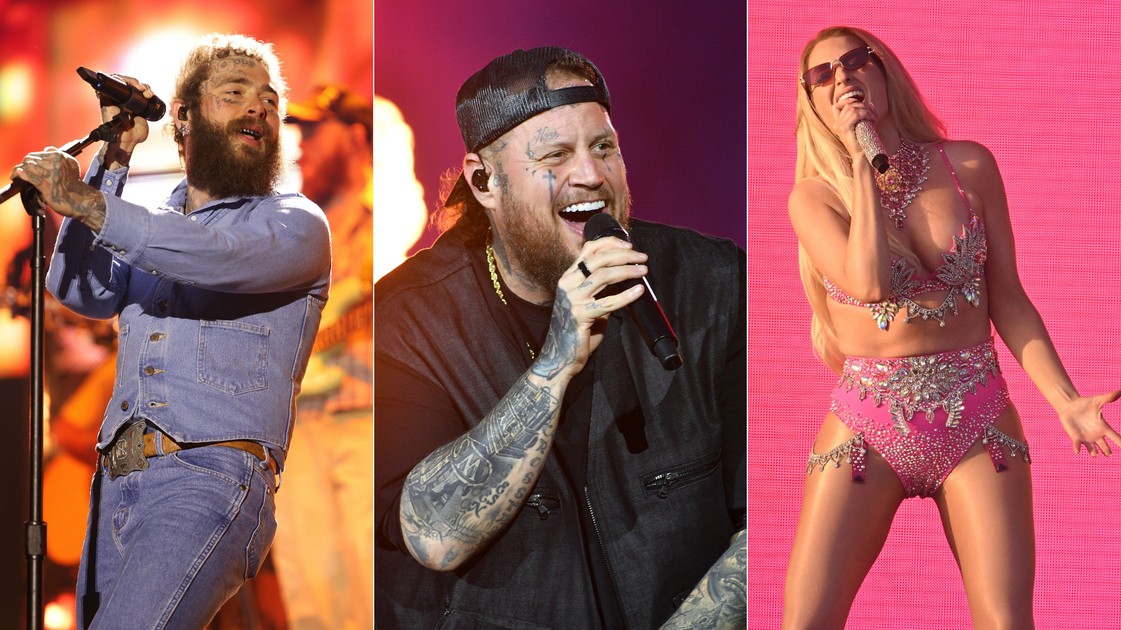
Summer is supposed to be about concerts. Right now? It’s about empty seats.
A wave of artists are pulling the plug. Meghan Trainor, Post Malone, even the reunited Pussycat Dolls. They’re canceling or postponing. Why? The seats aren’t selling.
People magazine counted ten high-profile cancellations so far this year. The internet named the phenomenon: “blue dot fever.” Those blue dots? They mark empty spots on the venue map. A pretty sad visual.
The Corporate Pushback
Live Nation doesn’t want to talk about it.
They own Ticketmaster, remember. Joe Berchtold, the CFO, dismissed the trend during an investor call. Called it a “catchy phrase.” Said it’s “absolutely devoid of facts.” According to him? It’s just marketing by frustrated scalpers.
Convenient, right?
Experts disagree. Paul Booth at DePaul University sees it differently. People have less money. When gas hits $5 a gallon, you choose between rent and groceries. You don’t shell out hundreds for overpriced concert tickets. It’s simple economics. Booth points the finger directly at Live Nation. He’s not surprised they’re trying to bury the story.
David MacFadyen at UCLA sees it as an ego problem. Maybe the agents were too ambitious. Maybe the artists thought Taylor Swift could do it? So why couldn’t they? Not everyone can sell three nights at MetLife. Assuming charm fills a stadium is a mistake. A costly one.
Who Pays the Price?
The blame is scattered, sure. Promoters cover more costs. Platforms optimize yields. Scalpers exploit scarcity. But the money problem is real for musicians, too.
Kate Nash turned to OnlyFans just to fund her tour. Seriously. Many artists barely break even after paying for staffing, transport, and venue rentals. They lose money. Fans lose out.
Dwayne O’Brien at Belmont University knows this pain. His students skip meals to buy tickets. Or skip the ticket entirely. Live shows are defining memories for some. But when the price tags spiral, it stops feeling like entertainment. It feels like extortion.
Then there’s dynamic pricing.
“In theory, it reflects demand. In practice? It looks like gouging.”
Watching the price climb while you hold the mouse button… it breeds distrust. It feels like a game rigged against you.
Staying Home Wins
So people stay home.
Why pay for gas and hotels when you can stream the show? Coachella streams exist. Concert films drop later. Why suffer? MacFadyen notes that Harry Styles fans in Amsterdam paid thousands to watch over a ten-foot wall. That isn’t a concert. That’s abject misery. A big screen and good headphones? Cheaper. Easier. Much better view.
Where Did the Prices Go?
They doubled.
Ticket prices for the top artists rose at twice the inflation rate, says Alexandre Perrin at Berklee. Back in 2023, we were hungry. Stuck at home during COVID. We wanted out. Demand skyrocketed. Prices followed.
But that feeling vanished. Demand is normalizing. Perrin expects prices to realign. Maybe drop five percent. Maybe ten. Not much. But it’s a start.
The bigger story, however, is the lawsuit. Live Nation asked a judge to overturn the ruling that declared them an illegal monopoly. That’s a huge legal fight. It affects everyone. The monopoly structure? It’s the root cause of those exorbitant costs. Few suppliers. No real competition.
What’s Next?
Is this permanent? No.
Tour demand is cyclical. Clayton Durant at NYU notes that an artist might struggle this year but blow up next. Look at Zara Larsson. Viral on TikTok? Suddenly, her tour sold out. Midnight Sun demand is real again. Social media can fix everything in a blink.
But for the rest? O’Brien sees a shift. More scrapped tours. Especially for mid-tier artists who booked arena tours based on shaky market signals. Or nostalgia acts without current fans.
Superstars won’t flinch. Beyoncé releases an album? She sells it out. Easy.
But everyone else? Expect change. Artists are right-sizing. Booking smaller rooms. Adding more nights to smaller venues instead of one massive stadium show. Strategy over ego.
The blue dots are fading for some. For others, they’re the only color on the map. We’ll see if they stay empty or get painted blue forever.