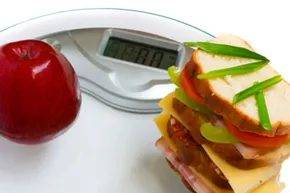
Нам усім казали: їжте менше та рухайтесь більше. Це “золоте правило” Дієтичних рекомендацій Міністерства сільського господарства США (USDA). Але ось у чому річ: виконання лише однієї з цих дій рідко дає довгостроковий результат. Ви можете скинути кілька фунтів на строгій дієті або спалити їх інтенсивними тренуваннями, але якщо ігнорувати інший бік рівняння, результати зазвичай зникають. Найбільш ефективний контроль ваги – і значна, стійка втрата ваги – потребують обох компонентів.
Йдеться про пошук балансу, який підходить вашому способу життя, а не про дотримання жорсткого склепіння правил. Цей баланс змінюється в залежності від вашої цільової маси тіла. Ви намагаєтеся скинути десять фунтів, утримати поточну вагу чи просто зупинити повільне збільшення ваги з роками? Ми схильні демонізувати калорії. Ми ставимося до них як до ворогів. Але це негаразд. Калорії – це просто енергія. Це одиниця виміру палива.
Подумайте про милі. Милі вас не ненавидять. Вони просто вимірюють відстань. Якщо ви застрягли у пробці, милі здаються ворогами, тому що у вас закінчується час. Те саме з калоріями. Вони здаються поганими лише тоді, коли число на терезах збільшується.
Розуміння двигуна вашого тіла
Ваше тіло постійно спалює паливо. Навіть коли ви сидите нерухомо та читаєте ці рядки, ваше серце б’ється. Ваші легені дихають. Ваш мозок обробляє слова. Цей базовий рівень використання енергії називається основним обміном речовин (BMR). Він складає від 60 до 65 відсотків загальної кількості калорій, які ви спалюєте за день.
Уявіть, що ваше тіло – це автомобіль, що стоїть на холостому ходу в гаражі. Двигун працює. Він споживає бензин просто для того, щоб залишатися живим. Якщо ви хочете поїхати кудись, ви натискаєте на педаль газу. Це фізична активність. Чим більше ви натискаєте, тим більше палива спалюється. Чим довше ви їдете, тим більше спалюєте. Це проста механіка.
Щоб візуалізувати це, уявіть старовинні ваги із двома чашами. Центральна балка – це ви. Одна чаша містить усі калорії, які ви споживаєте з їжею та напоями. Інша чаша містить усі калорії, які ви витрачаєте на метаболізм, травлення та рух.
Коли чаші врівноважені, ваша вага залишається незмінною. Це стан калорійного балансу. Якщо чаша з їжею важча, ви набираєте вагу. Якщо чаша з активністю важча, ви втрачаєте вагу. Управління вагою – це не магія. Це арифметика.
Математика одного фунта
Більшість людей не мають уявлення, скільки калорій міститься в одному фунті жирової тканини тіла. Знання цієї кількості змінює ваше сприйняття втрати ваги. Один фунт дорівнює 3500 калорій.
Це дозволяє поглянути на концепцію «калорійного дефіциту» під іншим кутом. Щоб втратити один фунт, вам потрібен дефіцит 3500 калорій. Ви можете створити його, споживаючи менше їжі, збільшуючи фізичну активність або поєднуючи обидва методи. Щоб набрати один фунт, вам потрібен профіцит у 3500 калорій.
3500 може здатися горою. Але це негаразд. Набрати один фунт напрочуд легко. З’їжте всього на 250 калорій більше на день протягом двох тижнів і ви наберете фунт. Це три шоколадного печива зі шматочками шоколаду. Або дві унції сиру чеддер. Або це пропуск щоденного тренування за збереження звичайної кількості їжі.
Усвідомлення цих чисел – перший крок. Це змушує вас дивитись на свої вибори. Можливо, ви піднімаєтеся сходами замість того, щоб користуватися ліфтом. Можливо, ви відмовляєтесь від десерту. Усвідомленість мотивує змін. Вона перетворює невиразні наміри на конкретні дії.
«Калорії – це просто спосіб вимірювання енергії. Вони не повинні мати більшого негативного відтінку, аніж милі».
Тепер коли ми розуміємо природу палива, ми можемо подивитися, як рекомендації USDA пропонують використовувати ці знання. Наступні кроки включають вивчення трьох основних принципів: споживання меншої кількості калорій, спалювання більшої кількості та розумного вибору продуктів. Але спочатку переконаємося, що фундамент міцний. Без розуміння основ енергетичного балансу будь-який план це просто здогад.
Терези не брешуть. Математика є послідовною. Питання в тому, чи готові ви подивитися на цифри без засудження. Тому що, як тільки ви перестанете бачити в калоріях ворога, ви почнете бачити в них дані. А дані можна використовувати, щоб побудувати життя, яким ви дійсно хочете жити.
Де ви знаходитесь на цих вагах сьогодні?
Це попередження на початку? Це не просто юридичний галас. Це нагадування про те, що ваше тіло є складним механізмом, а не таблицею в електронному вигляді. Якщо ви намагаєтеся скинути вагу, математика проста, але у виконанні люди часто помиляються.
Їсти менше калорій працює. Але “менше” не означає “голодування”.
Подумайте про це: зниження лише на 100 калорій на день здається незначним. Це ложка арахісової олії. Одне печиво. Але ж за рік? Це 36500 калорій. Оскільки для спалювання одного фунта жиру потрібно приблизно 3500 калорій, цей крихітний щоденний дефіцит запобігає набір 10 фунтів. Вам не потрібна революція. Вам потрібна послідовність.
Ось пастка, в яку потрапляє більшість людей: вони думають, що перепустка обіду чи вечері — це швидкий шлях до втрати ваги. Це негаразд. Це об’їзна дорога до сповільненого метаболізму.
Коли ви пропускаєте їжу, ваше тіло не каже: «Відмінно, давайте спалювати жир». Воно думає: «Тривога. Голод». Воно переходить у режим виживання, заощаджуючи енергію та накопичуючи жир на наступний бенкет. Це еволюційний збій. Ваше тіло хоче, щоб ви залишилися живими, навіть якщо ви хочете просто влізти у джинси.
Рішення? Їжте регулярно.
Невеликі порції. Помірні розміри порцій. Але ви їсте. Це посилає сигнал вашій системі, що їжі достатньо, тому вона підтримує високий рівень метаболізму. Ви спалюєте калорії швидше, коли не перебуваєте в стані паніки.
Математика калорій: звідки береться енергія?
Не всі калорії однакові, хоч ваше тіло все одно їх вважає. Розуміння джерела допомагає робити розумніший вибір.
- Вуглеводи: 4 калорії на грам
- Білки: 4 калорії на грам
- Алкоголь: 7 калорій на грам
- Жири: 9 калорій на грам
Бачите різницю? Жири містять більш ніж удвічі більше калорій, ніж вуглеводи чи білки. Саме тому жменя горіхів може швидше збільшити ваш калорійний рахунок, ніж миска ягід. Алкоголь є прихованою бомбою калорій, займаючи середню позицію.
Більш розумні заміни, те ж задоволення
Вам не потрібно відмовлятися від смаку, щоб зменшити калорії. Вам просто потрібно бути перебірливим у тому, де є ці калорії.
Дієтичні рекомендації 2005 року (і більшість сучасних порад) наголошують на рослинних продуктах: овочі, фрукти, цільнозернові продукти. Чому? Тому що вони є вигідною калорійною покупкою. Ви можете з’їсти величезну тарілку запеченого броколі за калорій невеликої порції смаженої їжі.
Оброблена їжа є ворогом схуднення не тому, що вона «погана» у моральному розумінні, а тому, що вона калорійно щільна. Виробники додають жири та цукор, щоб їжа була смачнішою та довше зберігалася. Як тільки ви додаєте жир, кількість калорій злітає до неба. Цукор також непомітно накопичується.
Подивіться на спектр:
– Низькокалорійні: свіжі овочі, фрукти, цільнозернові продукти.
– Середньокалорійні: знежирене молоко, пісне м’ясо.
– Висококалорійні: шоколадні батончики, газування, смажена їжа, оброблені закуски.
Якщо ви хочете скоротити калорії, не відчуваючи, що сидите на дієті, замініть продукти з високою густиною калорій на продукти з низькою густиною. Збережіть той самий розмір порції. Збережіть той самий обсяг. Просто змініть те, що у вас на вилці.
Практичні кроки, щоб розпочати вже сьогодні
Вам не потрібний план харчування. Вам потрібні кілька звичок.
- Вибирайте варіанти з низьким вмістом жиру. Замініть звичайний йогурт грецьким (хоча перевірте етикетку). Використовуйте спрей для приготування замість того, щоб наливати масло.
- Зменшіть порції висококалорійних продуктів. Насолоджуйтесь сиром, але візьміть його вдвічі менше.
- Скоротіть споживання обробленої їжі. Якщо вона comes у коробці з довгим списком інгредієнтів, подумайте двічі.
- Спершу наїдайтеся. Їжте овочі, перш ніж чіпати крохмалисті продукти. Ви будете надто ситі, щоб їсти калорійно щільну їжу.
Закуска фруктами – швидка перемога. Вона солодка, вона задовольняє і вона легка. У мисці винограду калорій набагато менше, ніж у пакеті чіпсів. Хруст схожий. Задоволення схоже. Результат різний.
Це перша половина рівняння. Ви контролюєте те, що потрапляє усередину. Але якщо ви серйозно налаштовані змінити своє тіло, вам також слід рухатися. Наступний крок стосується не того, що ви їсте. Це про те, що ви робите з наявною у вас енергією.
*Ця інформація призначена виключно для інформаційних цілей. ВОНА НЕ ПРИЗНАЧЕНА ДЛЯ НАДАННЯ МЕДИЧНИХ ПОСЛУГ. Ні редактори Consumer Guide (R), Publications International, Ltd., ні автор, ні видавець не несуть відповідальності за будь-які можливі наслідки будь-якого лікування, процедури, вправи, зміни дієти, дії або застосування ліків, які можуть виникнути в результаті читання або проходження інформації, що міститься в даному матеріалі. Публікація цієї інформації не є практикою медицини, і ця інформація не замінює поради вашого лікаря чи іншого фахівця з охорони здоров’я. Перед початком будь-якого курсу лікування читач повинен звернутися за порадою до свого лікаря або іншого фахівця з охорони здоров’я.
Спалюйте більше калорій

Як маленькі звички призводять до великих результатів у зниженні ваги
Рух робить більше, ніж просто спалює енергію. Воно розганяє ваш внутрішній двигун. Ви продовжуєте спалювати калорії протягом деякого часу після того, як перестаєте рухатися. Силові тренування збільшують м’язову масу. М’язи спалюють більше енергії, ніж жир. Навіть коли ви сидите нерухомо, наявність більшої кількості м’язів означає швидшу витрату калорій. Це один з найкращих способів контролювати щоденне споживання калорій, не голодуючи.
М’язова маса – це ваша броня проти старіння. У міру того, як ми стаємо старшими, ми природно втрачаємо м’язи. Наш метаболізм уповільнюється приблизно п’ять відсотків кожне десятиліття. Активний спосіб життя допомагає зберегти ці м’язи. Він підтримує вогонь метаболізму. Вам не потрібно ставати атлетом відразу. Вам просто потрібно знайти те, що підходить саме вам.
Набір ваги часто відбувається непомітно, ніж ми думаємо. Він зазвичай спричинений невеликим профіцитом калорій. Приблизно 100 додаткових калорій на день. Ось і все. Усуньте цей профіцит. Їжте трохи менше. Рухайтеся трохи більше. Це може бути так легко. Втрата всього 10 фунтів на рік може вимагати лише скорочення 100 калорій на день. У цьому питанні послідовність важливіша за інтенсивність.
Ось як внести ці зміни до 100 калорій на вашій кухні.
П’ять способів скоротити 100 калорій з їжі:
- Замініть 12 унцій звичайного газованого напою водою або дієтичною версією.
- Пийте 2 склянки знежиреного молока замість цільного.
- Використовуйте 1 чайну ложку гірчиці або кетчупу або 1 столову ложку знежиреного майонезу замість повної столової ложки звичайного майонезу.
- Розділіть невелику порцію картоплі фрі з другом.
- Наріжте звичайний шматок пирога або торта приблизно на третину менше.
Тепер давайте подивимось на рух. Ці цифри ґрунтуються на людині вагою 150 фунтів. Тяжкіші люди спалюють більше калорій. Легші – менше. Коригуйте accordingly.
П’ять способів спалити 100 калорій за допомогою фізичної активності:
- Крутіть педалі велотренажера протягом 13 хвилин.
- Виконуйте швидкі танцювальні рухи протягом 16 хвилин.
- Працюйте в саду протягом 18 хвилин.
- Швидко ходіть протягом 23 хвилин (зі швидкістю 3,5 миль/год).
- Забирайтеся в будинку протягом 25 хвилин.
Вам не потрібно вибирати лише один шлях. Ви можете комбінувати їх. Це часто найпростіший спосіб дотримуватися режиму.
П’ять комбінацій «їжа + рух» для скорочення 100 калорій:
- З’їжте на 5 чіпсів менше і походите 6 хвилин.
- З’їжте на чверть склянки менше спагетті з томатним соусом і походите 11 хвилин.
- Покладіть на тост 2 чайні ложки яблучного джему замість 2 чайних ложок вершкового масла і походите 11 хвилин.
- Відкладіть на 3 столові ложки менше картопляного пюре і походіть 13 хвилин.
- Пропустіть 2 порції вершкового крему в каві і походіть 15 хвилин.
Це не чарівні трюки. Це математика. І це можна здійснити. Ви можете це робити, дивлячись телевізор. Ви можете це робити, розмовляючи з дітьми. Йдеться про свідомість. Про те, щоби помічати маленькі вибори.
З чого розпочати? Виберіть одну заміну. Лише одну. Спробуйте її протягом тижня. Подивіться, як це відчувається. Потім додайте ще одну. Терези не брешуть. Але вони також не розповідають усю історію.
У наступному розділі ми розглянемо третій принцип контролю за калоріями — розумний вибір продуктів.
Ця інформація призначена виключно для інформаційних цілей. ВОНА НЕ ПРИЗНАЧЕНА ДЛЯ НАДАННЯ МЕДИЧНИХ КОНСУЛЬТАЦІЙ. Ні редактори Consumer Guide (R), Publications International, Ltd., ні автор, ні видавець не несуть відповідальності за будь-які можливі наслідки, що виникають в результаті будь-якого лікування, процедури, вправи, зміни дієти, дії або застосування ліків, які можуть статися в результаті читання або дотримання інформації, що міститься в цьому матеріалі. Публікація цієї інформації не є практикою медицини, і ця інформація не замінює поради вашого лікаря чи іншого фахівця з охорони здоров’я. Перед тим, як приступати до будь-якого курсу лікування, читач повинен проконсультуватися зі своїм лікарем або іншим спеціалістом з охорони здоров’я.
Жири, білки та вуглеводи
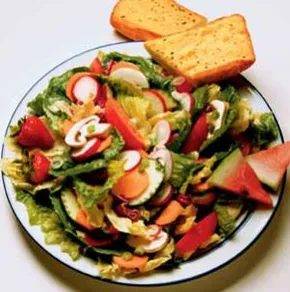
Вибір поживних речовин замість порожніх калорій
Втрата ваги не потребує голодування. Вона потребує стратегії. Ви не відмовляєтесь від їжі; ви покращуєте її якість. Ціль полягає в тому, щоб віддавати пріоритет продуктам з високою поживною цінністю. Це продукти, які містять найбільшу кількість вітамінів, мінералів та корисних речовин за найменшої кількості калорій. Наповнюючи тарілку такими продуктами, ви підтримуєте оптимальне здоров’я, контролюючи при цьому вагу.
Якщо ви хочете дотримуватися режиму, який зможете дотримуватись роками, вам потрібен баланс. Суворе обмеження будь-якої окремої групи продуктів – це пастка. Це призводить до проблем зі здоров’ям та неминучого повернення ваги. Чи дійсно ви можете уявити, що назавжди уникатимете всіх вуглеводів? Чи ніколи більше не скуштуєте жири? Це нереалістично. План харчування, що забороняє цілі категорії продуктів, зазвичай зазнає краху. Як тільки ви повернетеся до старих навичок, кілограми повертаються. Ваше тіло призначене для роботи на суміші вуглеводів, білків та жирів. “Дієтичні рекомендації для американців” (Dietary Guidelines for Americans) за 2005 рік підтверджують це: збалансоване харчування – це єдиний стійкий шлях.
Роль вуглеводів
Вуглеводи здобули погану репутацію, але вони є основним джерелом палива для вашого організму. Відповідно до рекомендацій, вони мають забезпечувати від 45 до 65 відсотків ваших щоденних калорій. Це легко досягти, оскільки майже всі продукти, крім м’яса, риби та птиці, містять кілька вуглеводів.
Існує два основних типи: прості та складні.
Складні вуглеводи – це переможці. Вони багаті на клітковину, вітаміни, мінерали і поживні речовини. Вони природно містять мало жирів та калорій. Ключову роль тут грає клітковина. Це неперетравна частина рослинної їжі, яка приносить величезну користь для травлення та зниження ваги. Уявіть клітковину як губку. Вона вбирає рідину та розширюється у вашому шлунку. Ви відчуваєте ситість, споживаючи менше їжі. Вона регулює рівень цукру в крові, запобігаючи різким падінням, які викликають голод і потяг до їжі. Вона також допомагає запобігати захворюванням, знижуючи рівень холестерину та стимулюючи роботу кишечника.
Ці потужні продукти містяться в цільнозернових продуктах, бобових та овочах. Уникайте рафінованих версій, таких як біле борошно та білий рис. Процес рафінування видаляє клітковину і більшість поживних речовин.
Прості вуглеводи також є. Вони містяться в молоці, фруктах, деяких овочах та оброблених цукрах, таких як столовий цукор або кукурудзяний сироп. Натуральні цукру у фруктах та молоці поставляються разом із корисними поживними речовинами. Оброблені цукри? Здебільшого порожні калорії. Уникайте їх.
Навіщо вам потрібні вуглеводи? Ваш організм розщеплює їх на глюкозу. Це найкраще паливо для вашого мозку та м’язів. Без достатньої кількості вуглеводів ваш організм впадає у паніку. Ви відчуваєте втому, запаморочення, нудоту і нездатність ясно мислити. Найгірше, обмеження вуглеводів фактично перешкоджає втраті ваги. Вашому організму необхідні вуглеводи, щоб спалювати накопичений жир. Їжте правильну кількість, і ви почуватиметеся краще, одночасно втрачаючи вагу.
Розумний вибір білків
Білок необхідний для побудови, відновлення та підтримки вашого тіла. Він потрібний вам, тому що існують певні білкові речовини, які ваш організм не може виробляти самостійно.
Розумний вибір включає пісне м’ясо, рибу, птицю, яйця, бобові, горіхи та насіння. Зверніть увагу, що горіхи та насіння висококалорійні. Вони мають високу поживну цінність, але ставитеся до них як до вибору для рідкісного вживання в невеликих кількостях.
Ось перевірка реальністю: середній американець споживає вдвічі більше білка, ніж рекомендується. Вам не потрібно збільшувати його споживання. Двох чи трьох порцій на день зазвичай достатньо. Білок забезпечує специфічні поживні речовини, необхідні хорошого здоров’я та функціонування організму.
Жири необхідні (але вибирайте їх з розумом)
Харчове керівництво MyPyramid внесло значні зміни, зобразивши корисні олії як необхідну групу продуктів. Це був перший раз, коли керівництво США виділило олії як необхідні для здоров’я.
Корисні жири містяться в рослинних оліях, риб’ячому жирі та оліях горіхів і насіння. З іншого боку, рекомендації застерігають від обмеження твердих жирів. Вони містяться у м’ясі, молочних продуктах з високим вмістом жиру та оброблених продуктах.
Загальна кількість жирів має становити від 20 до 35 відсотків ваших калорій. Більшість цих калорій має надходити з олій, а чи не з твердих жирів. Можливо, ви запитаєте, чому відсоток не нижчий, враховуючи калорійність жирів. Відповідь криється у функції. Жири є життєво важливими для багатьох процесів в організмі.
Рослинні олії містять вітамін Е, незамінний жиророзчинний вітамін. Корисні олії також постачають незамінні жирні кислоти, такі як омега-3. Ваш організм не може їх синтезувати. Ви повинні отримувати їх із їжі. Жири також критично важливі для правильного розвитку мозку та нервів.
Через це рекомендації різняться залежно від віку:
- Дорослі: 20-35 відсотків калорій
- Вік 4-18 років: 25-35 відсотків калорій
- Вік 2-3 роки: 30-35 відсотків калорій
- Новонароджені до 2 років: Без додавання жирів
У наступному розділі ми розглянемо, як ще більше обмежити жири та керувати споживанням рідини та вітамінів.
Основою збалансованого харчування є не лише те, що ви їсте. Важливіше те, чого ви уникаєте і як ви підживлюєте своє тіло. Базові принципи вже відомі. Тепер давайте розберемо тонкі деталі, які справді мають значення.
Вибір корисних для серця рідких олій замість твердих жирів
Жири – річ складна. Вони забезпечують почуття ситості, але дуже калорійні. Якщо ви прагнете скинути вагу, тип жиру, що споживається, має більше значення, ніж ви думаєте.
Більшість жирів у вашому раціоні повинна надходити з рідких олій. Йдеться про мононенасичені жири, такі як оливкова та ріпакова олія. Потім йдуть поліненасичені жири, що містяться в соєвій, сафлоровій, кукурудзяній і соняшниковій олії. Це ваші союзники.
Дієтичні рекомендації Міністерства сільського господарства США (USDA) чітко свідчать: обмежте споживання насичених жирів до рівня менше десяти відсотків загальної добової норми калорій. Де їх можна знайти? У нежирних сортах м’яса, молочних продуктах з високим вмістом жиру та тропічних оліях, таких як пальмова та кокосова. Але справжній ворог — трансжири.
Трансжири – це гідрогенізовані жири. Вони перетворюють ненасичені жири на насичені у вашому організмі. Їх можна знайти в маргарині, смаженій їжі, багатьох кондитерських виробах та сильно перероблених продуктах. Вони засмічують артерії. Як насичені, так і трансжири перетворюються на холестерин, який закупорює артерії. Це погано впливає на здоров’я серця.
Якщо ви хочете включити жири в план схуднення, прагнете до нижньої межі шкали, що рекомендується. Наприклад, нехай жири становлять 20 відсотків від ваших щоденних калорій. Якщо перевищити цю норму, ваги схиляться у неправильний бік.
Ухвалюйте мудрі рішення. Їжте помірну кількість корисних для серця олій. Обмежуйте менш корисні жири. Ваші артерії скажуть вам спасибі у майбутньому.
Чому вода — ваш найкращий помічник у схудненні
Більше усвідомлений вибір їжі не обмежується твердою їжею. Ваші напої мають таке саме значення.
Контроль калорій у напоях – це прихований спосіб скоротити їх споживання, не відчуваючи себе обділеним. Вода містить нуль калорій. Тим не менш, вона допомагає відчувати ситість. Вона знижує ймовірність переїдання.
Хорошим орієнтиром є вісім склянок на день. Вода не містить поживних речовин. Їй і не потрібно їх утримувати. Вона є важливою частиною плану здорового схуднення, тому що сприяє збільшенню обсягу клітковини, що споживається. Більший обсяг клітковини означає більше почуття ситості.
Вода також допомагає у багатьох функціях організму. Вона сприяє перетворенню запасів жирів тіла на енергію, транспортуючи поживні речовини, необхідних цього процесу. Без цього ви легко зберігаєте енергію, не використовуючи її.
Крім того, вода запобігає втомі. Вона усуває сплутаність свідомості та головний біль. Якщо ви їсте фрукти та овочі, ви вже збільшуєте споживання води. Вони містять багато вологи. Їжте їх, і ви будете природно гідратовані.
Поживна щільність: ключ до стійкої втрати жиру
Дієтичні рекомендації наполегливо закликають вибирати продукти з низьким вмістом калорій, але багаті на поживні речовини.
До поживних речовин належать вітаміни, мінерали та фітохімічні речовини. Сюди також входять вуглеводи, білки та жири. Для підтримки здоров’я під час схуднення вам потрібні певні кількості цих речовин. Вітамін А. Різні вітаміни групи В. Вітаміни С, D, Е та К.
Важливі мінерали включають кальцій, магній, фосфор, залізо, цинк, селен та калій. Фітохімічні речовини – це природні рослинні речовини. Вони, як здається, допомагають запобігати раку. Вони можуть відігравати роль у запобіганні багатьом іншим хронічним захворюванням. Існує тисячі таких сполук. Каротиноїди. Флавоноїди. Ізофлавони. Інгібітори протеази.
Зазвичай люди їдять занадто багато продуктів з низьким вмістом вітамінів та мінералів, але високим вмістом калорій. Це пастка. Чим більше продуктів із низькою поживною щільністю ви споживаєте, тим важче отримати всі необхідні вітаміни без набору ваги.
Для контролю ваги переверніть цю ситуацію з ніг на голову. Найчастіше вибирайте продукти з низьким вмістом калорій, але багаті на вітаміни і мінерали. Ці продукти з високою поживною густиною є основою вашого збалансованого раціону.
Достатня кількість вітамінів та мінералів дозволяє організму функціонувати правильно. Вони допомагають організму правильно використовувати накопичений жир. Жирові клітини вивільняють накопичену енергію лише тоді, коли організм знає, як отримати доступ до неї. Достатня кількість мікронутрієнтів є ключем до цього доступу.
Найкращі продукти для досягнення цієї мети включають:
– Овочі
– Фрукти
– цільнозернові продукти
– Молочні продукти з низьким вмістом жиру або знежирені
– пісні джерела білка
Створення плану, який працює
Дієтичні рекомендації та піраміда харчування (MyPyramid) показують вам шлях. Вони пропонують добре збалансований план харчування з низьким вмістом калорій. Включено смачні продукти з кожної групи продуктів. Жодних продуктів не заборонено.
Обидві системи рекомендацій надають конкретну кількість їжі залежно від кількості калорій, необхідних для схуднення. Це не гадання. Це структура.
Основа вашого режиму харчування на цих рекомендаціях та баланс із адекватною фізичною активністю приведуть вас до здорової ваги. І до здорового способу життя на все життя.
Контроль за споживанням калорій має ключове значення. Але якщо ви будете їсти менше калорій, станете активнішими і прийматимете мудрі рішення, здоровіший спосіб життя буде у вас в руках. Йдеться не про досконалість. Йдеться про послідовність. І про вибір.
«Жодні продукти не заборонені».
Ця свобода сильна. Це означає, що вам не потрібно стежити за кожним шматочком. Вам потрібно просто бути уважним. Вибирайте олію. Пийте воду. Їжте зелень. Решта прийде сама.
*Ця інформація призначена виключно для ознайомлювальних цілей. ВОНА НЕ ПРИЗНАЧЕНА ДЛЯ НАДАННЯ МЕДИЧНИХ КОНСУЛЬТАЦІЙ. Ні редактори Consumer Guide (R), Publications International, Ltd., ні автор, ні видавець не несуть відповідальності за будь-які можливі наслідки будь-якого лікування, процедури, вправи, зміни дієти, дії або застосування ліків, які можуть виникнути в результаті читання або проходження інформації, що міститься в даному матеріалі. Публікація цієї інформації не є практикою медицини, і ця інформація не замінює поради вашого лікаря чи іншого фахівця у галузі охорони здоров’я. Перед початком будь-якого курсу лікування читач повинен проконсультуватися зі своїм лікарем або іншим спеціалістом у галузі охорони здоров’я.
©Publications International, Ltd.
Ви, напевно, бачили рекламу. Сяюча шкіра. Миттєві результати. Обіцянка, що один новий крем чи добавка виправить все. Це звабливо. Але перш ніж ви проведете картою або почнете дотримуватись суворого нового режиму, давайте подивимося, що говорить справжня наука. І ні, це не завжди те, що каже відділ маркетингу.
Міф про «ідеальний» догляд
Ось сувора правда: не існує єдиного режиму догляду, який би підійшов усім. Ваш тип шкіри, генетика, навколишнє середовище і навіть рівень стресу відіграють набагато більшу роль, ніж будь-яка сироватка за 200 доларів. Дерматологи сходяться на думці з кількох базових моментів, але навіть вони скажуть вам, що гнучкість – це ключ.
Зволоження обов’язково. Вода робить вашу шкіру пружною та допомагає виводити токсини. Але не покладайтеся виключно на зволожуючі топічні засоби. Пийте воду. Спіть. Рухайтесь. Це дешеві та ефективні інструменти, до яких ви вже маєте доступ.
Догляд за волоссям: менше – значить краще
Щоденне миття голови? Мабуть, помилка. Якщо у вас немає стану шкіри голови, що вимагає цього, занадто часто миття видаляє натуральні олії. Ваша шкіра голови виробляє шкірне сало (себум), щоб захищати та кондиціонувати волосся. Якщо видалити його, шкіра голови може почати виробляти більше масла в якості компенсації. Це порочне коло.
- Мийте рідше. Спробуйте збільшити інтервали між миттями, щоб подивитися, як відреагує ваше волосся.
- Кондиціонуйте кінчики. Фокусуйтеся на нижній половині волосся. Коріння це потрібно менше.
- Термічний збиток реальний. Фени, праски для випрямлення та плойки з часом завдають незворотної шкоди. Використовуйте термозахист, якщо ви змушені користуватися ними, але сушіння на повітрі завжди безпечніше.
Догляд за тілом: за межами поверхні
Креми для тіла чудово підходять для миттєвого комфорту. Вони заспокоюють сухість та покращують текстуру шкіри. Але вони не змінюють вашу внутрішню біологію. Якщо ви страждаєте від стійкої сухості, сверблячки або змін текстури шкіри, зверніться до лікаря. Це може бути щось серйозніше, ніж просто сухе повітря.
Відлущування — ще одна область, де менше — краще. Надмірне відлущування може пошкодити захисний бар’єр шкіри, що призведе до почервоніння, подразнення та висипання. Хімічні ексфоліанти (такі як AHA і BHA кислоти) часто бувають м’якшими та ефективнішими за фізичні скраби. Але використовуйте їх обережно. Один чи двічі на тиждень цілком достатньо для більшості людей.
Пастка добавок
Ринок добавок оцінюється у мільярди доларів. І його частина побудована на надії, а чи не на твердих доказах. Вітамін C, колаген, біотин – вони всюди. Але чи працюють вони?
- Вітамін C: Може сприяти виробленню колагену та освітленню шкіри, але результати незначні та сильно варіюються від людини до людини.
- Колаген: Суд ще не винесений. Деякі дослідження свідчать про незначне поліпшення еластичності шкіри. Інші нічого не показують. Це дорого. Можливо, вам краще їсти продукти, багаті на білок.
- Біотин: Часто рекламується для волосся та нігтів. Але якщо у вас немає дефіциту, додатковий біотин не змусить ваше волосся рости швидше. І може заважати проведенню деяких лабораторних тестів.
Проконсультуйтеся з лікарем, перш ніж розпочинати прийом будь-яких нових добавок. Не всі вітаміни однаково корисні. Деякі можуть взаємодіяти із ліками.