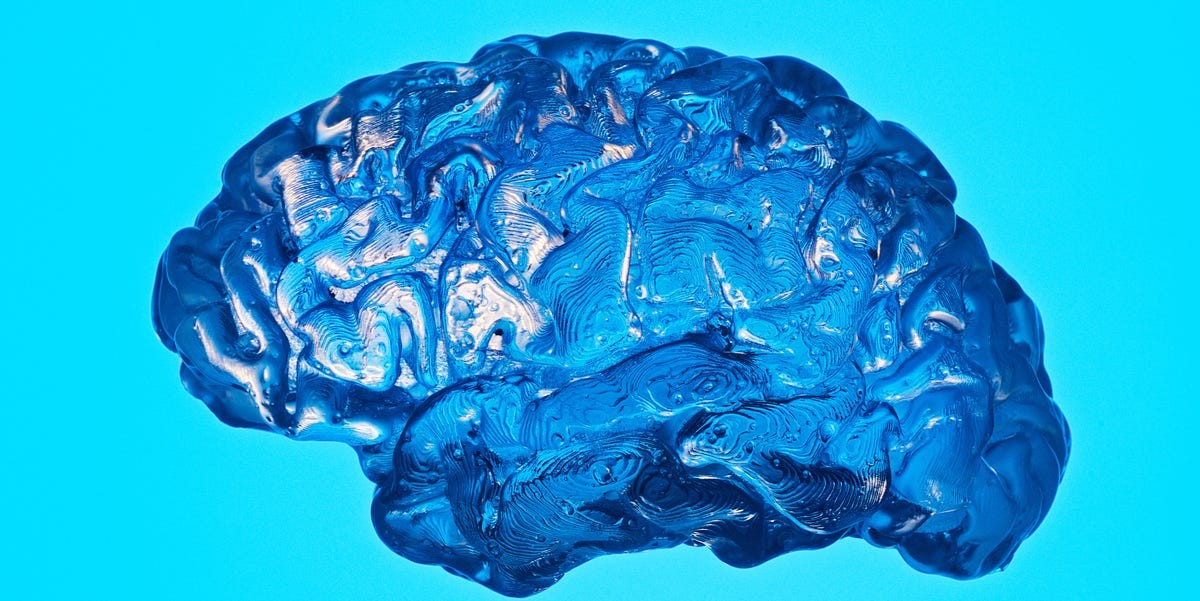
Рутина зручна. Але ж вона є когнітивною пасткою.
Люди запрограмовані на передбачуваність. Ми обираємо той самий шлях на роботу, снідаємо однаково. Мозку подобається така ефективність. Але є нюанс: коли життя стає занадто передбачуваним, мозок переходить у режим очікування. А це є шкідливим для довгострокового здоров’я.
Нові дослідження показують, що впровадження невеликих елементів новизни у повсякденне життя — один із найшвидших і найдоступніших способів sharpen (заточити/поліпшити) роботу розуму та підняти настрій. Для цього не потрібно стрибати з парашутом. Достатньо трохи змінити свої звички.
Нещодавнє дослідження, опубліковане в журналі Current Biology, показало, що виконання чогось трохи відрізняється від звичайного щодня може значно поліпшити пам’ять і емоційне благополуччя, навіть у людей похилого віку. Ключовий момент? Вам не потрібно міняти життя кардинально. Важливими є малі зміни.
Дослідження: як боротьба з рутиною допомагає
Щоб зрозуміти механіку процесу, дослідницька група під керівництвом Меліси Е. Мід (Melissa E. Meade, Ph.D., професор психології Коледжу Х’юрон) провела експеримент за участю 18 здорових людей похилого віку під час карантину 2020 року.
Середній вік учасників становив 71 рік. Внаслідок обмежень на подорожі, фокус дослідження був зроблений на мікро-новизні.
Кожен учасник використовував програму для смартфона під назвою HippoCamera. Додаток імітує те, як гіпокамп – центр пам’яті мозку – зберігає дані. Замість просто сфотографувати те, що ви бачите, додаток дозволяє створити для моменту «візуальний тег», який потрібно запам’ятати. Це змушує вас активно залучатися до події, а не пасивно перегортати стрічку.
Протягом восьми тижнів учасників просили:
1. Щодня шукати один унікальний чи новий досвід.
2. Помічати цей момент у додатку.
3. Повідомляти про свій настрій, сприйняття часу та рівень нудьги.
Результати були вражаючими. У дні, коли учасники займалися новими справами, вони відзначали:
* Найкраще запам’ятовування подій.
* Зниження почуття нудьги.
* Поява більш позитивних емоцій.
* Суб’єктивне відчуття, що час іде швидше.
“Час летить, коли весело”. Але тут це також ознака залучення. Коли ми нудьгуємо, час триває. Коли ми обробляємо нові дані, ми перебуваємо в моменті. А саме присутність зберігає мозок стійким.
Чому новизна перебудовує мозок?
Новизна – це не просто розвага, це біологічне паливо для мозку.
Кліффорд Сегіл, доктор медицини (DO), невролог із центру охорони здоров’я Providence Saint John’s, пояснює, що нові дії активують нейронні шляхи, які давно не використовувалися. Уявіть собі м’язи: якщо ви ніколи не піднімаєте певну вагу, м’язи залишаються слабкими. Якщо ви вводите новий рух, зв’язки зміцнюються.
«Новизна та унікальні активності, ймовірно, стимулюють контури мозку новими способами», — каже д-р Сегіл.
Цей процес допомагає боротися з природним когнітивним спадом, пов’язаним із старінням. Д-р Мід додає, що нові вимоги до уваги. Ви не можете перейти на автопілот, коли пробуєте новий рецепт або досліджуєте незнайомий парк. Потрібно бути ментально залученим.
Ця підвищена увага створює сильніші сліди пам’яті. Це різниця між тим, щоб дивитися фільм і тим, щоб грати в ньому.
Чи означає це, що потрібно вивчати нову мову щодня? Ні. Планка низька. І в цьому вся краса.
Що вважається «новим досвідом»?
Найпоширеніша помилка людей — думка, що новизна потребує серйозних змін у житті. Вам не потрібно переїжджати до іншої країни. Не треба брати відпустку.
“Просто участь у досвіді, що виходить за рамки вашої звичайної рутини, може допомогти”, – зазначає д-р Мід.
Ось що справді вважається новим:
- Змініть маршрут: Ідіть на роботу іншою вулицею. Їдьте додому бічною дорогою, яку ви зазвичай уникаєте.
- Змініть раціон: Спробуйте овоч, який ви ніколи не готували. Ідіть у ресторан, до якого ніколи не ходили.
- Соціальні зміни: Напишіть другу, з яким не спілкувалися місяцями. Зателефонуйте комусь із минулого.
- Сенсорні зміни: Послухайте жанр музики, який вам зазвичай не подобається. Прочитайте книгу іншою мовою (навіть якщо ви просто слухаєте аудіокнигу).
Мета – внести розбрід. Зруйнуйте патерн.
Д-р Сегіл підкреслює, що мозку не важливо, чому ви робите щось нове, важливо лише, що це відрізняється від норми. Якщо це виходить за межі вашої типової рутини – це вважається.
Крім новизни: інші ключі до когнітивного здоров’я
Новизна – потужний інструмент, але не панацея.
Д-р Сегіл рекомендує виходити з дому щонайменше двічі на день. exposure (вплив) природного світла та нових середовищ підтримує циркадні ритми та регулює настрій. Навіть п’ятихвилинна прогулянка навколо кварталу між відеодзвінками допоможе.
Д-р Мід додає, що фізична активність є обов’язковою. Фізичні вправи збільшують приплив крові до мозку, що підтримує зростання нових нейронів.
Комбінація цих факторів створює надійний захист від когнітивного спаду:
1. Рухайте: Регулярно займайтеся фізичною активністю.
2. Вчіться: Освоюйте нові навички або вирішуйте головоломки.
3. Спілкуйтесь: Залишайтеся соціально активними.
4. Різноманітність: Вносите новизну в повсякденні рутинні справи.
Головний висновок
Старіння неминуче. Деменція – ні.
Хоча генетика та спосіб життя відіграють величезну роль, один із найпростіших способів підтримати здоров’я мозку – перестати дозволяти життю перетворитися на сценарій, який ви вивчили напам’ять. Вам не потрібні радикальні зміни. Просто струсіть дрібниці.
Виберіть довгий шлях додому. Спробуйте дивний салат. Зателефонуйте старому другові.
Ваш гіпокамп скаже вам спасибі.
Час іде швидше, коли ви звертаєте увагу. Питання: коли ви востаннє звертали увагу на щось нове?