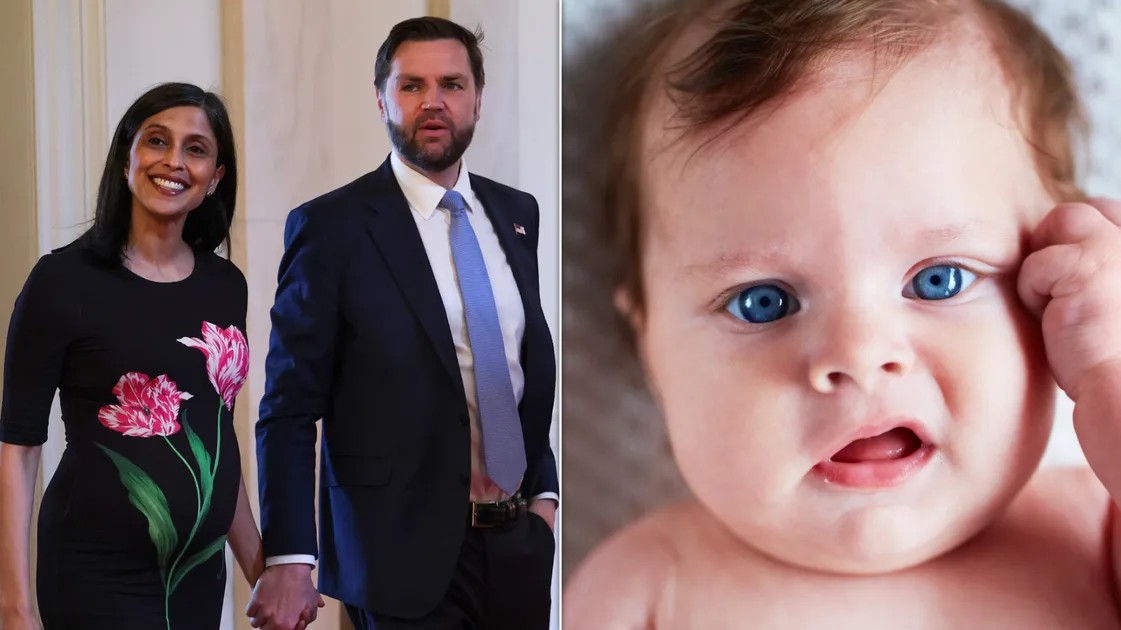
Джей Ді Венс та Уша Венс вітали четверту дитину. Син народився 19 липня, і пара залишила анонс коротким. У заяві у соцмережі X вони підтвердили народження хлопчика, якого назвали Алека Ніла Венса (Alec Neel Vance). Він поповнює список своїх братів і сестер: Юена, Вівека та Мірабель.
Вибір імені Алек Ніл Венс здивував експертів з імен. Воно не стало тим передбачуваним, сучасним варіантом, який зараз часто віддають перевагу сім’ям з високим статусом. Швидше воно здавалося кроком назад, у минуле.
Захід сонця епохи «татових імен»
Алеку зараз не щастить у таблицях популярності.
Софі Кім, головний редактор Nameberry, назвала цей вибір сюрпризом. Вона зазначила, що давно не чула, щоби так називали дітей. Пік популярності імені припав на 1995 рік, коли воно посіло 112-те місце у списку Служби соціального забезпечення (SSA). На той час воно було в мейнстрім. Сьогодні? Воно йде в забуття.
Згідно з поточними даними SSA, в 2025 році Алек займає 977-й рядок. Nameberry прогнозує, що до 2026 ім’я зовсім випаде з топ-1000. Повернення не передбачається. Кім називає Алек «ім’ям дідуся» або «татовим ім’ям». Більшість сучасних Алеків – це чоловіки наприкінці двадцяти чи на початку тридцяти років. Вони самі творять сім’ї, але не називають дітей Алеками.
Навіть гучне оголошення народження зірки не врятує ім’я.
«Навіть це оголошення про народження навряд чи змінить траєкторію падіння популярності Алека».
— Софі Кім
Політичний брендинг проти особистої ідентичності
Консультант на ім’я Тейлор Хамфрі вважає Алек «хорошим, міцним ім’ям». Але вона засумнівалася у його стратегічній цінності.
«Чи не здається це ім’я особливо оптимізованим під майбутню президентську кампанію?» — спитала вона.
Хамфрі працювала з високопоставленими клієнтами. Вона знає, що дитячі імена – це політичні заяви. Публічні фігури використовують їх, щоб заявити про свої цінності. Це допомагає вибороти довіру виборців і показує акціонерам, що сім’я цінує традиції.
Проте Алек звучить трохи різко. Фонетично він перетинається з відомими жіночими іменами, такими як Еллі Макбіл (Ally McBeal) або Алікс Ерл (Alix Earle). Хамфрі запропонувала інший шлях. Подовжений варіант, як Александер Аніл Венс (Alexander Aneel Vance), міг би спрацювати краще. Він додав би значущості та ваги.
Але Венси пішли іншим шляхом. Вони вважали за краще зберегти мовчання.
Повага до двох культур
Тут є глибша логіка. Імена шанують обидві сторони сімейного дерева. Джей Ді Венс часто говорить про своє шотландсько-ірландське походження. Уша Венс – дочка індійських іммігрантів. Імена дітей відбивають цю двоїстість.
Аббі Сандель, творець Appellation Mountain, бачить тут закономірність. Батьки віддають перевагу звичним іменам, що рідко зустрічаються. Вони хочуть ім’я, яке відоме, але не конфліктує з іншими дітьми в класі. Юен, Вівек, Мірабель та Алек ідеально потрапляють у цю нішу.
Вони йдуть по одній лінії: досить унікальні, щоб виділятись, і досить традиційні, щоб викликати відчуття комфорту.
«Це один із способів, за допомогою якого політики та бізнесмени можуть завоювати довіру своїх виборців та акціонерів».
– Тейлор Хамфрі
Коріння цих імен різне. Юен – шотландський. Вівек – санскрит. Мірабель має латинське коріння. Алек – англійське, що походить від грецького Олександра. Це еклектичне поєднання.
Сандель відзначає чергування. Спершу ім’я батька (Юен). Потім ім’я матері (Вівек). Мірабель поєднує обидва: Міра (санскрит – океан) і Мірабель (латинь – чудова). Алек Ніл робить те саме. Алек відсилає до шотландського коріння, а Ніл – санскритське слово, що означає “синій”.
Ніл (Neil) — схоже ім’я з шотландським та ірландським корінням. Воно входило до топ-200 з 1920-х до 1980-х років. Наразі воно займає близько 851-ї позиції. Як і Алек, це «ім’я дідуся».
Серед індоамериканських сімей зараз у моді імена на кшталт Арджуна, Вір чи Вірадж. Вірадж співзвучний ірландському імені Кіаран (Ciaran). Це могло бути дотепним перетином культур. Але Венси обрали щось стабільніше.
Приховані значення
Крім культурного балансу, імена мають спільне позитивне ядро.
- Юен означає «народжений тисом», символізуючи захист та відродження.
- Вівек означає «мудрість».
- Мирабель означає «чудовий».
- Алек, похідне від Олександра, означає «захисник людей».
Усі вони походять від давніх мов. Всі вони традиційні, але не є загальновідомими.
У кліматі, де дитячі імена несуть величезну символічну вагу, такий вибір видається продуманим. Сандель називає його стриманим. Чи не відверто політичним. Чи не широко символічним. Воно залишає простір. Воно дозволяє дитині самому визначити свій шлях.
Порівняйте це із трендовими іменами, обраними чиновниками Білого дому. Каролін Левайт обрала Вівіану. Стівен Міллер – Хоуторн. Ці імена відчуваються ретельно підібраними. Більш «навантаженими».
Алек здається легшим. Кім зазначає, що він переважно аполітичний. Немає відомих політичних фігур із цим ім’ям. Якщо провести його через аналіз «Червоних штатів та Синіх штатів», Алек все ж таки схиляється до «синіх» (ліберальних). Це традиційний вибір з глибоким корінням. Олександр, його прабатько, незмінно популярний у ліберальних оплотах.
Підхід Венсов може відбивати ширший зсув. Високопоставлені сім’ї переосмислюють, як вони заявляють про свою спадщину. Вони відходять від гучних брендових виборів. Вони обирають імена, які «дихають».