Clothing is never just fabric. It’s a story stitched into every thread. From the rolling hills of Scotland to the bustling streets of Tokyo, what people wear tells you who they are, where they’ve been, and what they value. We often look at fashion trends as fleeting moments, but traditional garments hold centuries of meaning. They aren’t just aesthetic objects. They are symbols of history, values, and lifestyle.
Think about the kimono in Japan. The sari in India. The kilt in Scotland. Or the vibrant tribal attire across many regions of Africa. These aren’t just costumes for a holiday. They represent the soul of a culture. In this guide, we dive into the world’s most interesting traditional dresses to understand their deep roots and beautiful diversity. Let’s take that cultural fashion tour.
Why Traditional Clothing Matters
Before we look at specific outfits, it helps to understand why these garments persist. In our modern world of fast fashion and global uniformity, traditional dress stands out. It preserves identity. It connects the past to the present.
Here is why these clothes remain so significant:
- They reflect cultural identity: Colors, patterns, and fabrics define a group. They show how a society differs from its neighbors. The kimono, sari, and kilt are instantly recognizable symbols of their respective nations.
- They tell history: Garments change over time. Shifts in style reflect political, social, and economic changes. Consider the Ottoman kaftan. It once signified imperial power and grandeur. Today, modern clothing reflects that same society’s shift toward modernization.
- They indicate social status: In many cultures, not everyone wears the same thing. Specific colors or designs might be reserved for royalty, elders, or married individuals. Your outfit can signal your role in a ceremony or your place in the community hierarchy.
- They foster unity: Wearing traditional dress during festivals or holidays creates a sense of belonging. It brings people together under a shared visual identity.
- They hold aesthetic and economic value: These are beautiful works of art. Handcrafted with natural dyes and local materials, they offer a tactile richness that mass-produced items lack. They also support local economies by sustaining artisans and textile workers.
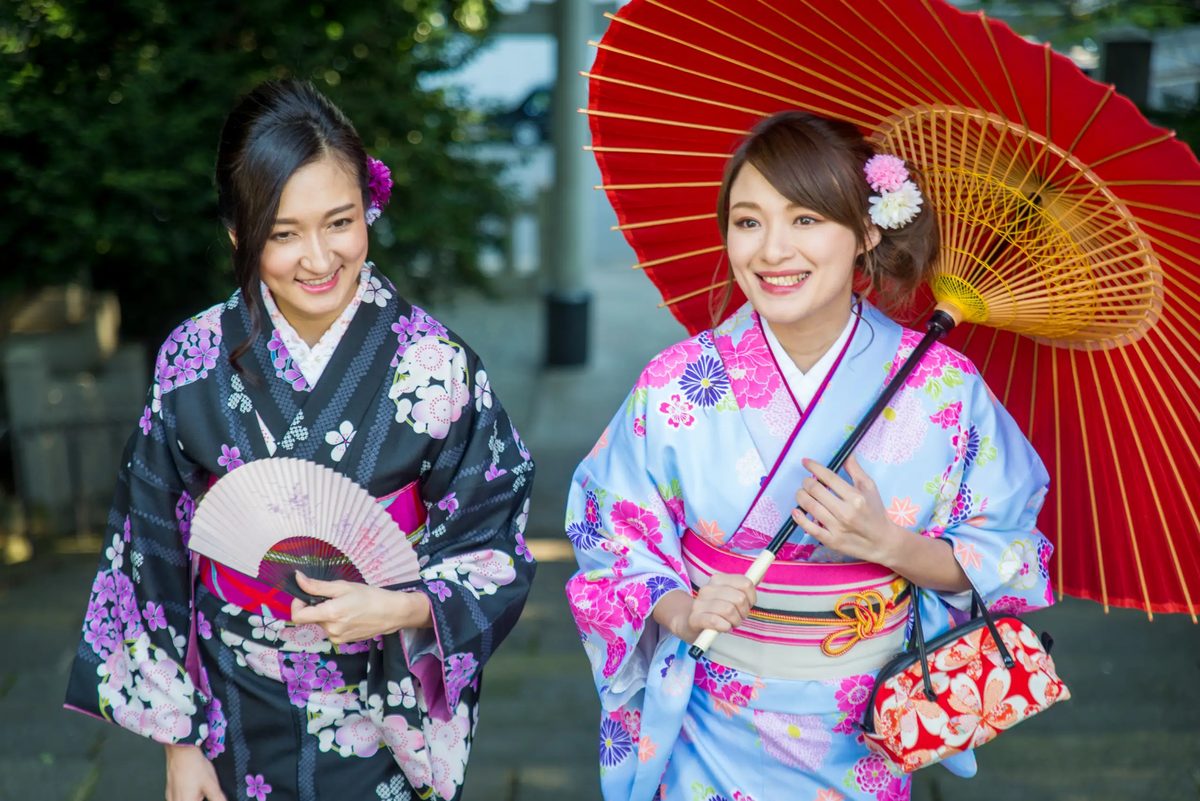
1. The Kimono: Japan
Let’s start with one of the most iconic traditional dresses in the world. The kimono is far more than a robe. It is a complex garment that demands respect in its handling and wearing.
The word kimono literally means “thing to wear.” But the structure is intricate. It consists of a long, T-shaped, straight-lined robe with square sleeves and a rectangular body. The garment is wrapped around the body, always with the left side over the right, and secured with a sash called an obi. There’s a reason for the left-over-right rule. In Japanese culture, the right side is placed over the left only for dressing the deceased. For the living, it is strictly the other way around.
Why the Kimono stands out:
* Seasonality: Kimonos change with the seasons. Spring kimonos might feature cherry blossoms. Winter versions are heavier and warmer, perhaps with pine or plum motifs.
* Occasion-specific: You wouldn’t wear a formal furisode (long-sleeved kimono for unmarried women) to a casual gathering. There are specific types for tea ceremonies, weddings, and festivals.
* Handcrafted detail: The best kimonos are made using natural dyes and intricate embroidery. They are investments in art.
Wearing a kimono is a ritual. It requires patience. The layers, the folding, the tying of the obi—it all speaks to a culture that values precision and respect for tradition. If you ever have the chance to try one, do it. You’ll feel the weight of history in every fold.
The Real Weight Behind the Silk
It starts with the fabric. Roughly.
You think of Japan and you picture the kimono. That’s fair. It’s the image that sticks. But calling it just a “garment” feels like calling a cathedral a building. It misses the point entirely.
This isn’t just about wearing clothes. It’s about wearing history.
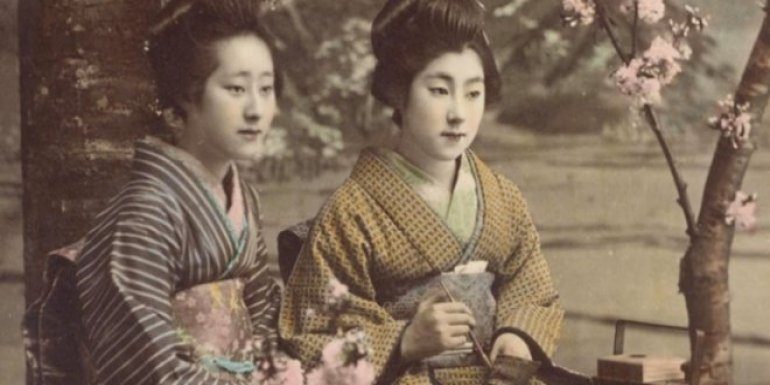
The story starts way back in the Heian period. Think centuries ago. Influences from China seeped in. Japanese designers began stitching their own identity into silk. The first versions? Simple. Straight cuts. No fuss.
But people are rarely simple for long.
Colors changed. Patterns got complex. By the Edo period, the kimono wasn’t just clothing; it was a status symbol. You could tell someone’s rank just by the dye. Masters weren’t just tailors. They were artists. They created these intricate, impossible-to-replicate designs. It reached a peak of craftsmanship that still makes modern sewers jealous.
Then came the Meiji Restoration.
Western clothes arrived. Suits. Skirts. The kimono was pushed to the sidelines for daily wear. It didn’t die. It just moved to the background. Special occasions. Ceremonies. Moments that matter.
Decoding the Dress Code
Why does it still matter?
Because a kimono speaks. It doesn’t use words. It uses visual cues.
The color tells a season. The pattern tells a story. The cut tells your place in the world—or your desire to change it. It’s a silent language of elegance and respect.
And not all kimonos are the same.
If you’re looking for furisode, that’s the long-sleeved version. Reserved for young, unmarried women. Usually at weddings. Or coming-of-age ceremonies. The sleeves hang down, almost to the knees. Dramatic. Intentional.
Then there’s the yukata.
Lighter. Cotton. No lining. You wear this to summer festivals. Or the onsen (hot springs). It’s the casual weekend wear of the traditional world. You slip it on. You forget about it. Until you get hot. Then you remember.
The Art of the Knot
Here’s the thing no magazine photo shows you.
Putting on a kimono is hard.
Really hard.
It’s not like pulling on a sweater. You can’t wing this. If you wear it wrong, it looks sloppy. Or worse, it looks disrespectful. The folding. The wrapping. The sash (obi). It requires specific skills. Knowledge passed down through practice.
That’s why workshops are so popular in Japan today.
People take classes. Not just locals. Tourists. It’s an experience. A slow, mindful process. You stand in front of a mirror. Someone adjusts your collar. You learn to walk in it. To breathe in it.
Why We Keep Buying In
So where does it go now?
Is it gone?
No.
It’s still in the closet of the modern Japanese home. Pulled out for weddings. For New Year’s. For tea ceremonies. It’s a anchor to tradition in a fast-moving world.
And for visitors?
It’s a souvenir. A tangible piece of culture to bring home. You wear it once. You take photos. You feel connected to a place that values detail over speed.
But there’s something else.
A quiet appreciation.
When you see someone walking down a street in Kyoto, the wind catching the sleeve of their haori. You don’t just see a person. You see a continuity. A thread that has been spun for a thousand years.
It’s fragile.
The Origins of the Kilt: More Than Just a Skirt
It’s easy to glance at a kilt and see a skirt. But in Scotland, that’s like calling a Bible a book. The kilt isn’t just fabric. It’s a heavy, woolen anchor to history. For centuries, men in the Highlands wore it. They didn’t have a choice. The climate demanded it. And the culture demanded respect.
The story starts in the 15th century. Not the 18th, like many think. Back then, Highlanders wore the great kilt, or feileadh mòr. It was a massive sheet of tartan wool. You wrapped it around your body. It worked as a blanket during the day. You could sleep in it at night. It kept the rain off. It provided camouflage in the mist.
By the 18th century, things got practical. The great kilt was cumbersome. It was too hot for work. So, the feileadh beag emerged. The modern kilt. Just the skirt part. Pleated. Fitted. It freed up the arms. It allowed for movement. But it didn’t lose its meaning.
Why the Pattern Matters
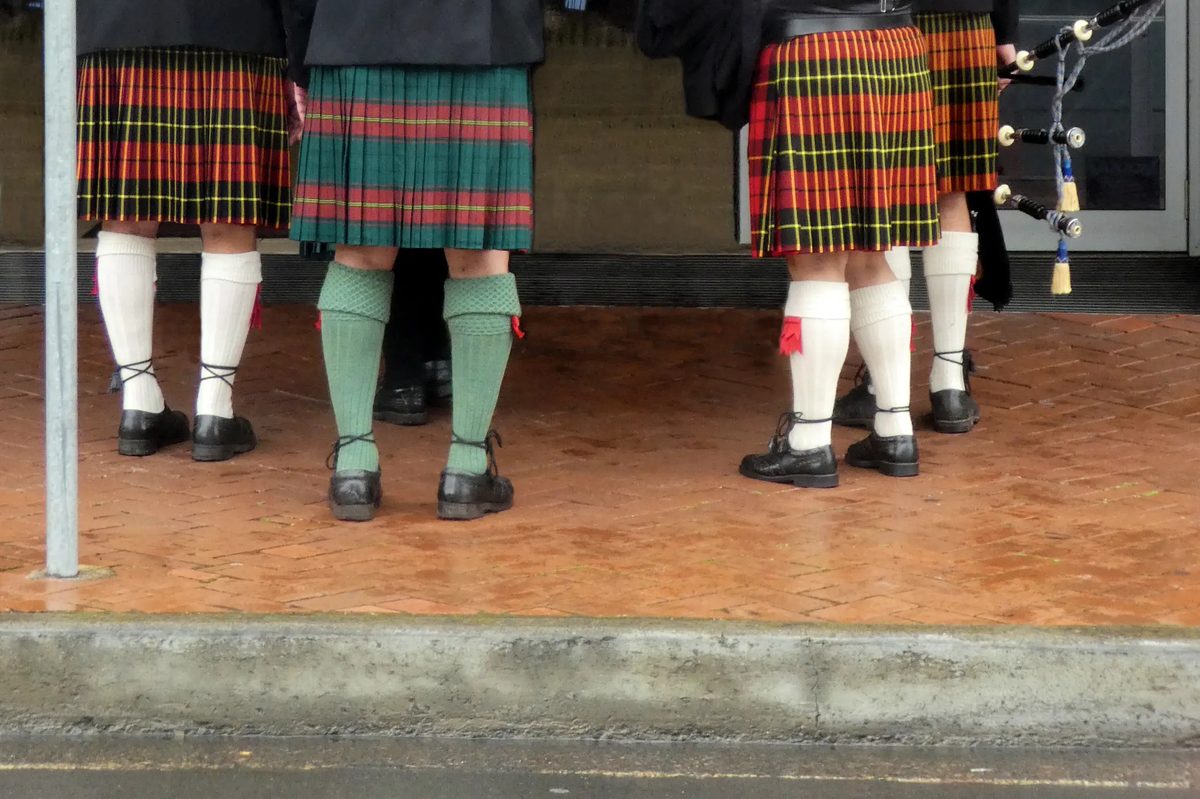
Every kilt tells a story through its pattern. This is called the tartan. It’s not random stripes. It’s a code. Each clan, each family, has its own color combination. If you wear the wrong tartan, you’re not just fashioning yourself. You’re claiming a lineage that isn’t yours.
This matters. In Scotland, identity is woven into the fabric. Literally. The kilt represents pride. It represents a connection to ancestors who fought in wars. It represents a land that is harsh but beautiful. Wearing one is an act of loyalty. It’s a declaration of belonging.
The Complete Look: Beyond the Skirt
You can’t just wear a kilt by itself. It’s an ensemble. A uniform of tradition. If you want to get the details right, you need to know what goes with it. Missing a piece looks like a costume. Getting it right looks like heritage.
Here is what makes up the full attire:
- The Kilt: The centerpiece. Made of heavy wool. Pleated at the back. It hangs just above the knee.
- The Sporran: Since kilts have no pockets, you need somewhere to put your keys. Or wallet. Or hand. This is a pouch worn at the front. Fur for formal events. Leather for daily wear.
- The Sgian-dubh: A small dagger. It slips into the top of your sock. Historically, it was a weapon. Now, it’s jewelry. The handle is often intricate. Bone. Horn. Silver.
- Hose: Thick wool socks. They reach mid-calf. They are folded down slightly. They provide cushioning and warmth.
- Ghillie Brogues: These are the shoes. Leather. Laced up. No backs. The laces tie around the ankle. They are durable. They grip the rocky terrain.
Where the Kilt Lives Today
You won’t see kilts in every grocery store in Edinburgh. But you will see them where it counts. Weddings. Funerals. St. Patrick’s Day. Highland
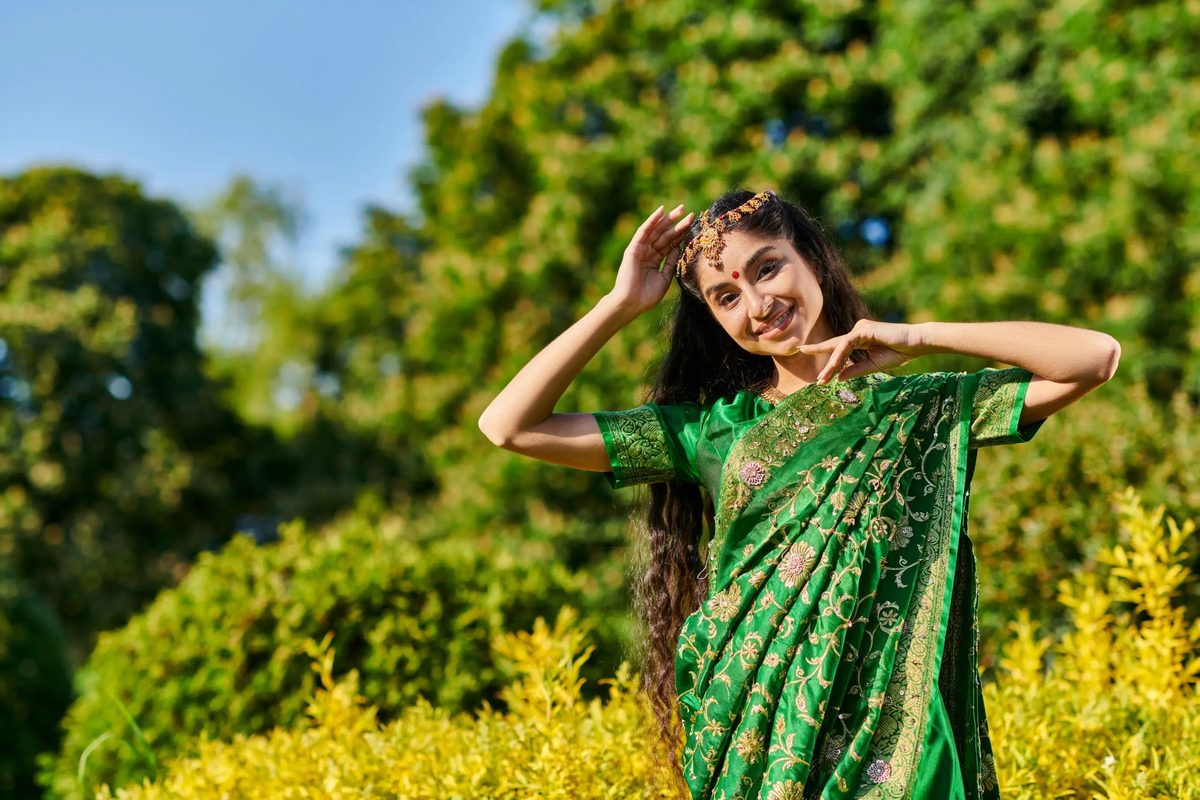
The sari isn’t just clothing. It’s a statement.
In India, women drape themselves in these elegant, colorful garments with a grace that feels innate. But look closer. The sari carries thousands of years of history. It is not merely cloth. It is the cultural identity of India. It symbolizes tradition. And it defines a specific kind of femininity.
Where Did The Sari Come From?
Its roots dig deep. Archaeologists trace the sari back to the Indus Valley Civilization. Back then, the style was simpler. Men and women wrapped a long piece of fabric around their waists. They pulled it over one shoulder. It was functional. It was modest.
Over centuries, that simple wrap evolved. Ancient texts and stone sculptures depict women in various styles of draping. The art form changed. The fabric got richer. But the essence remained. It has been a pillar of Indian culture for millennia.
What Does The Sari Actually Mean?
Wearing a sari signals more than just taste. It speaks to social standing. It reflects regional pride. It can even hint at religious devotion.
“The sari highlights a woman’s beauty, grace, and femininity while simultaneously displaying her social status and cultural roots.”
It is a complex language of fabric. A woman in Banaras wears something different than a woman in Kanyakumari. The choice of material, color, and drape tells a story without saying a word.
Which Sari Style Fits The Occasion?
India is vast. The saris are just as varied. You cannot treat them as a monolith.
- Banarasi Saris: Woven from silk. Heavily embroidered with gold or silver Zari work. These are grand. They scream luxury.
- Kanchipuram Saris: Also pure silk. Known for their bold, rich colors and contrasting borders. They are heavy. They feel substantial.
There are dozens of other regional varieties. Each has its own weave, its own history, and its own place in the wardrobe.
How To Wear The Sari Properly
Let’s be honest. Draping a sari is an art form. It is not intuitive.
You are handling five to nine meters of fabric. That is a lot of material to manage without looking messy. It requires technique. It requires practice. If you get the pleats wrong, the whole look falls apart.
This is why sari draping classes and workshops are so popular in India. Women take them seriously. They want to get it right. They want the pleats to sit perfectly at the waist. They want the pallu (the loose end) to fall just so.
Is The Sari Still Relevant Today?
Yes. But its role has shifted.
You will still see saris at weddings. You will see them at festivals. You will see them at formal ceremonies. It remains the go-to attire for special moments. It commands respect. It feels appropriate.
But it’s also a tourist favorite. Visitors often buy saris as souvenirs. They want a piece of that culture to take home. Whether it’s for a wedding guest outfit or a daily statement piece, the sari endures.
Hanbok, Korea
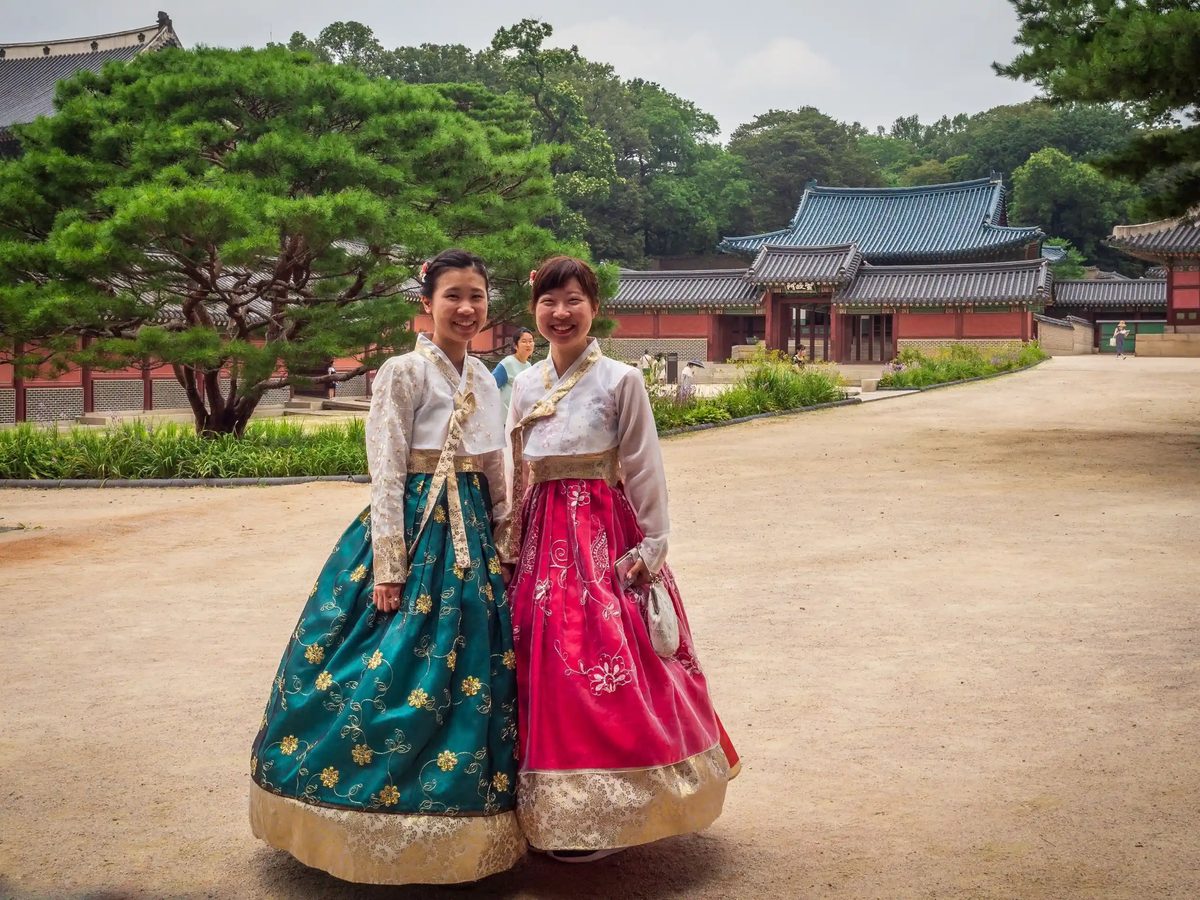
You see the bright colors and flowing lines and immediately recognize it. The Hanbok. It’s not just clothing. It is a visual statement that has defined Korean aesthetics for thousands of years. To wear it is to step into a history that predates modern fashion trends by centuries.
The origins trace back to the Three Kingdoms period. Early versions were simple. Think tunics and pants worn by nomadic tribes. Over time, Chinese influences seeped in. The silhouettes evolved. By the Joseon Dynasty, the Hanbok reached its peak. It wasn’t a one-size-fits-all outfit. It shifted with the seasons. It signaled social rank. It marked life events.
What Makes Hanbok Unique in Korean Culture
Hanbok is more than fabric. It is a reflection of values. Concepts like harmony and balance are woven into the design. The cut respects the natural shape of the body while offering freedom of movement.
Colors tell a story. Patterns reveal status. Accessories complete the picture. For example, a young unmarried woman’s Hanbok differs from that of a married elder. The hues are not random. They are coded.
Breaking Down the Components
The structure is distinct. For women, it consists of two main pieces:
– Jeogori: A short jacket or blouse. It sits high on the chest. The collar, or jeogori-goreum, is often tied with a long ribbon.
– Chima: A full, wrap-around skirt. It is voluminous but not cumbersome. The waistline is typically high, just under the bust.
Men wear a similar Jeogori paired with Baji. These are loose trousers. They allow for ease of movement. The silhouette is clean. Minimalist.
Accessories matter too. Hairpins. Hats. Traditional shoes. Each element adds to the overall elegance.
Where You Can Experience Hanbok Today
You don’t need to time travel to wear Hanbok. It remains a staple for major life events in Korea. Weddings. Birthday celebrations. Lunar New Year. These occasions demand traditional attire.
Tourists can rent Hanbok for the day. It’s a popular activity. Many historic sites offer discounts or free entry if you are dressed in Hanbok. You walk through palaces feeling connected to the past.
Modern designers are reimagining the look. They keep the core lines but use contemporary fabrics. The result is wearable. Practical. Still rooted in tradition.
Why the Hanbok Endures
It survives because it adapts. It honors the past without being stuck in it. The simplicity of the design contrasts with the complexity of its history.
Which piece of Hanbok history fascinates you most? The intricate embroidery? The flowing skirt? The way it reflects social changes over centuries?
The fabric endures. The style persists. The story continues.

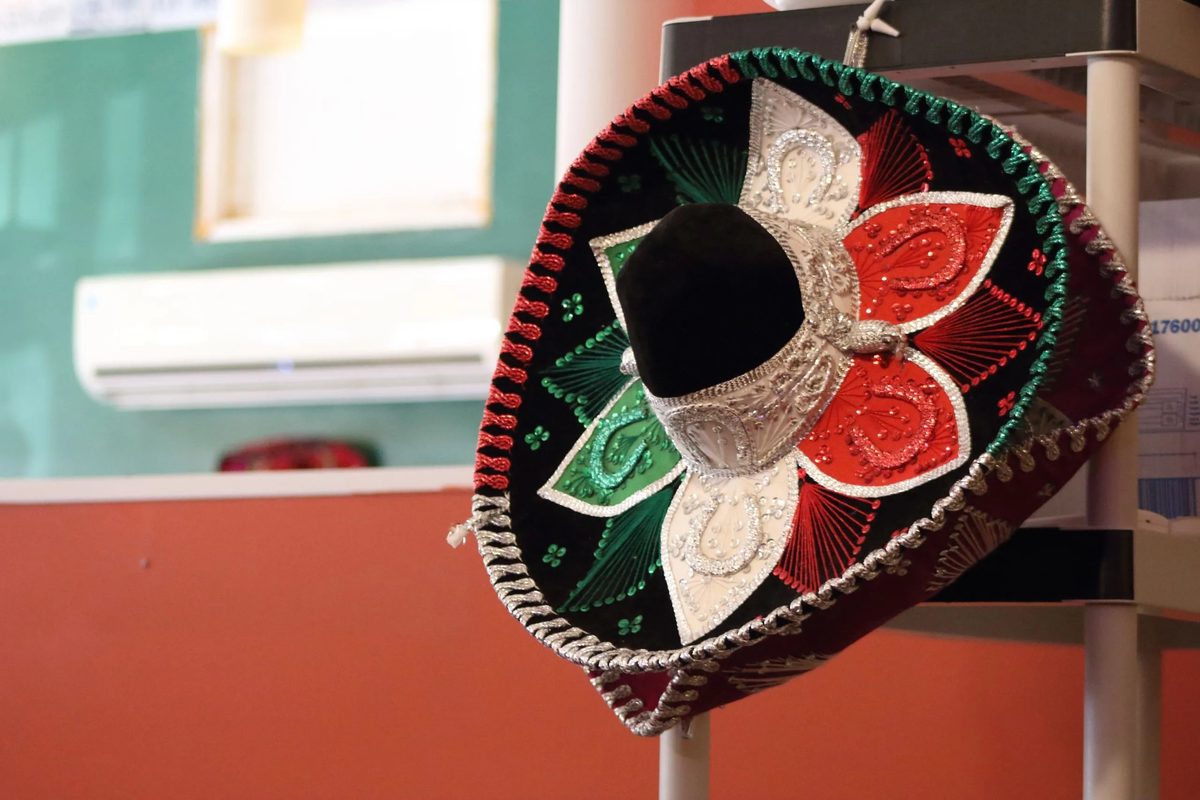
5. The Sombrero: More Than Just a Hat
Think of Mexico and you probably picture those wide-brimmed, colorful hats. The sombrero. But calling it just a hat misses the point entirely. It is a symbol of identity. It has been woven into the daily fabric of Mexican life for centuries.
The word itself comes from the Spanish sombra. Shade. That is the functional truth. You wear it to survive the blistering heat. The history goes back to the 16th century. When Spain invaded, the colonists adopted the wide-brimmed style to handle the climate. The indigenous people took it up, too. They adapted it. They made it their own.
By the 19th century, the sombrero was national pride incarnate. During the Mexican Revolution, revolutionaries wore them. It became a badge of resistance.
It is not one-size-fits-all, either. The style tells a story about who is wearing it.
– Status and Trade: A heavily decorated, wide-brimmed sombrero often belongs to wealthy landowners or mariachi musicians. It screams performance and wealth. A plainer version? That is for farmers and laborers. Practicality over pageantry.
– Regional Differences: Look at Jalisco. The charro hats are flashy. Ornate. In the Yucatán peninsula, things are different. The jipijapa hat is lightweight. It keeps you cool.
Today, you still see them at festivals. Special occasions call for the traditional wear. But for tourists? It is a cheap souvenir. You buy it, you wear it once, you pack it away. The cultural weight remains, even if the tourist experience is fleeting.
6. Maasai Red: The Color of Kenya
Switching gears to East Africa. The Maasai. They are an ethnic group straddling Kenya and Tanzania. Known for their beadwork. Known for their height. And known for this specific shade of red.
Why red? It is not just an aesthetic choice. It is survival. It is intimidation.
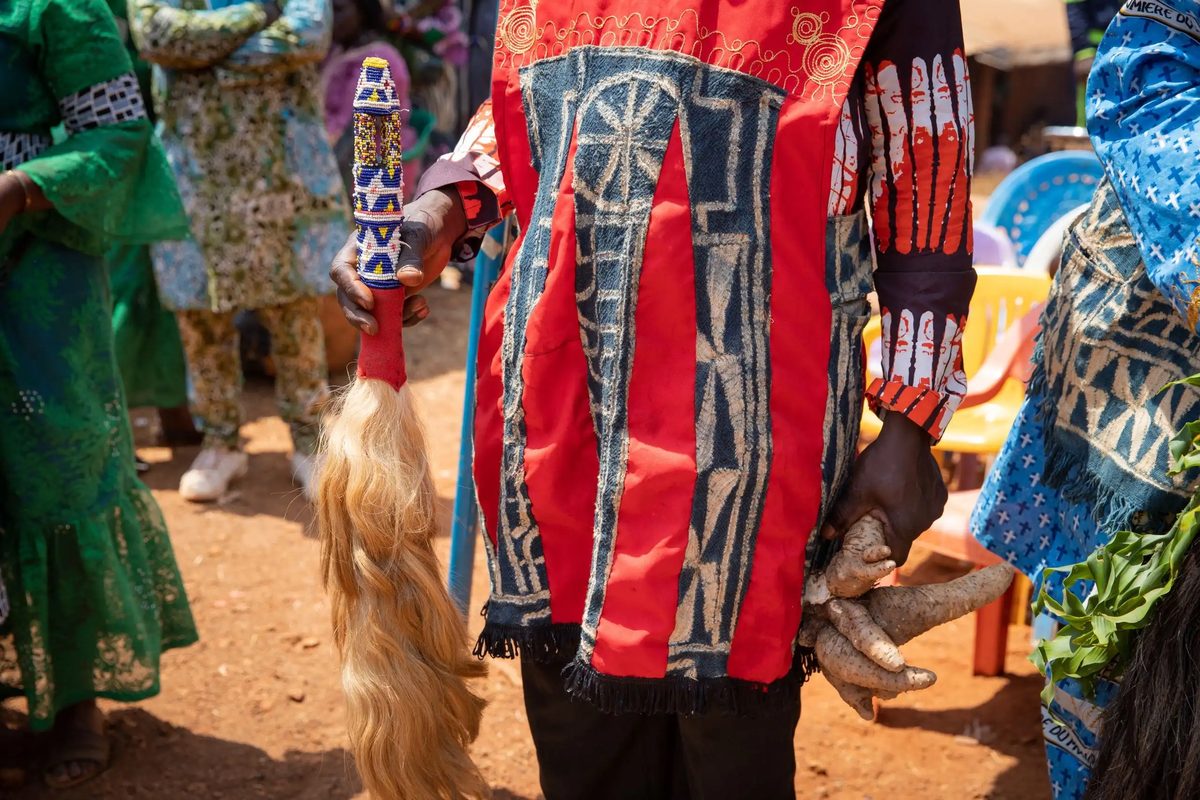
In Maasai culture, the color red symbolizes bravery, unity, and strength. It is the color of blood. It represents the life-giving power of the cattle, which are central to their livelihood. When a warrior wears that red shuka (robe), he is signaling readiness.
The color also serves a practical purpose in the savanna. Predators like lions are less likely to attack a bright red figure compared to someone blending into the brown earth. It is a visual shield.
The beads matter too. The red beads are not random. They represent energy. Vitality. The community’s health. If you are visiting the Maasai Mara or Amboseli, you might see this vibrant hue everywhere. From the dashiki-style wraps to the intricate necklaces, the red is dominant.
It is a bold statement. You cannot ignore it. And for the Maasai, that is the point. To be seen. To be respected. To be part of the whole.
7. Dashiki, Afrika
Kırmızı Masai pelerinleri savanlarda duman gibi dağıldıktan sonra, gözler Batı Afrika’nın canlı, desenli dünyasına kayıyor. Burada renk sadece bir tercih değil. Bir dil. Dashiki tam da budur.
Batı Afrika’nın kalbi atıyor. Nijerya, Gana, Senegal… Bu ülkelerin sokaklarında, pazarlarında, düğünlerde o geniş, V-yağı boğazlı tunikleri görmezden gelemezsin. Dashiki, Afrika kıtasındaki en ikonik kıyafetlerden biri. Sadece bir giysi mi? Hayır. Tarih, sanat ve kimlik üzerine örülmüş bir manifest.
Dashiki Nedir ve Neden Bu Kadar Önemli?
Batı Afrika’da Dashiki veya yerel dillerinde boubou veya agbada gibi farklı adlarla anılan bu tunikler, yüzyıllardır Afrika kültürünün bir parçası. Ancak günümüzde, özellikle 1960’larda ve 70’lerde Afrika Birliği hareketiyle birlikte, Dashiki siyasi bir sembole dönüştü. Siyah bilinç, gurur ve özgürlük mücadelesinin rengi oldu.
Bugün ise, Dashiki daha çok kültürün coşkusunu, topluluğu ve geleneksel estetiği temsil ediyor.
Dashiki’nin Tasarım Kodları: Desenlerin Ötesinde
Dashiki ’nin en çarpıcı yanı, görsel zenginliği. Genellikle pamuk veya sentetik karışımlı kumaşlardan yapılır. V-yağı, omuz ve kol kenarları genellikle farklı renkler ve desenlerle işlenir. Bu işçilik, düz bir kumaştan çok daha fazlasını anlatır.
- Renkler: Canlı ve doygun. Kırmızı, sarı, yeşil, mavi, turuncu… Bu renkler Afrika toprağını, güneşini ve bitki örtüsünü çağrıştırır.
- Desenler: Geometrik şekiller, sembolik motifler, bazen de soyut desenler. Her desenin yerel bir anlamı vardır.
- Kesim: Geniş, rahat, nefes alan. Afrika’nın sıcak iklimine uygun, hareket özgürlüğü sunan bir tasarım.
Dashiki ile Masai Arasındaki Fark Nedir?
Masai kırmızısı sert, dirençli, göçebe bir kimliğin rengiyken, Dashiki daha çok toplumsal, sosyal ve sanatsal bir ifade biçimi.
| Özellik | Masai Kırmızısı | Dashiki |
|---|---|---|
| Bölge | Doğu Afrika (Kenya/Tanzanya) | Batı Afrika (Nijerya/Gana vb.) |
| Form | Pelerin (Shuka) | Tunik (V-yağı, bol kesim) |
| Anlam |
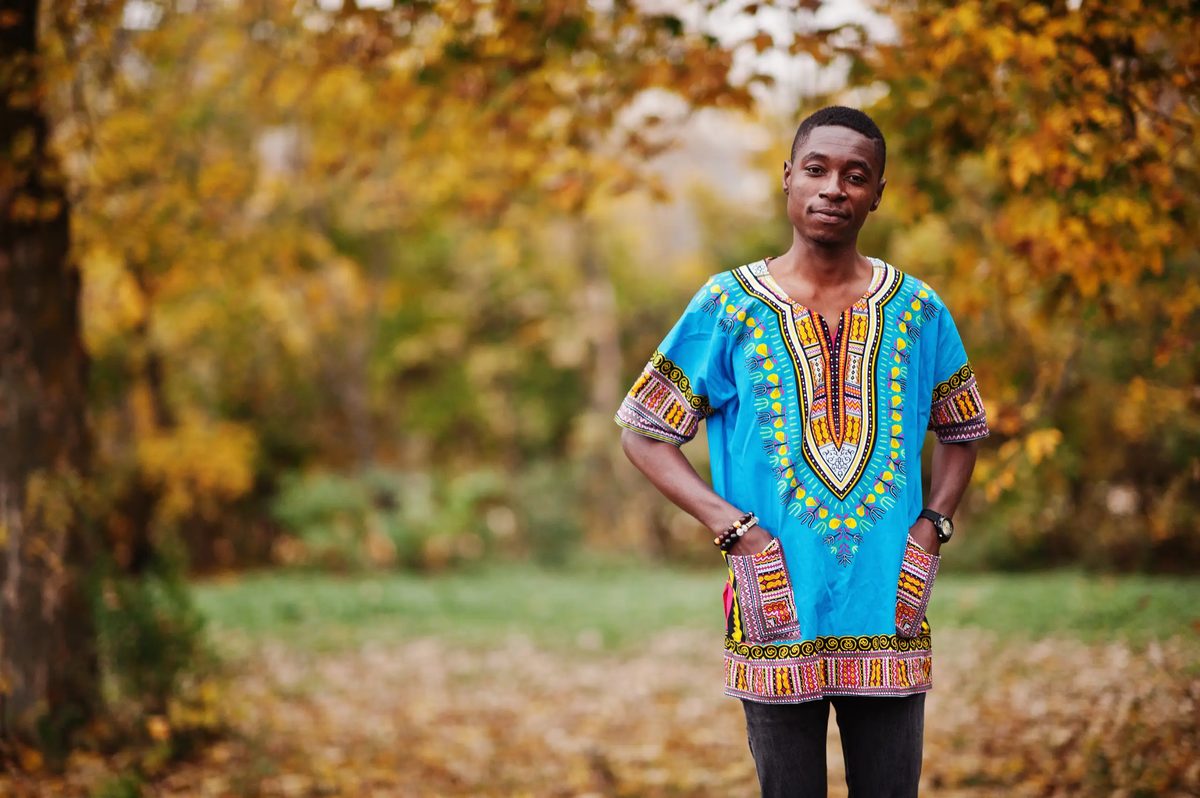
Batı Afrika’nın nabzını hissetmek için Dashiki’ye bakmak yeterli. Ama bu kıyafet sadece kumaş değil. Bir duruş. Bir tarih. Yoruba dilindeki kökeni, “dansçı gömleği” anlamına gelen danshiki kelimesine dayanıyor. Bu isim, kıyafetin ritimle, dansla ve törenlerle olan bağını gizlice fısıldıyor. Yüzyıllardır Batı Afrika’da farklı etnik gruplar tarafından yeniden şekillendirilmiş bir giysi. 1960’larda ise Amerika’ya, Siyah Güç hareketine sızdı. Aktivistler için bir direniş bayrağı oldu. Sadece Afrika’da kalmadı, Batı’nın sokaklarında da yerini aldı.
Bugün Dashiki, özgürlük ve kültürel gururun sembolü. Pamuktan, rahat kesimden, canlı renklerden ve geometrik motiflerden oluşuyor. Doğadan, hayal gücünden beslenen desenler… Günümüzde Afrika diasporasında, festivallerde, hatta global moda trendlerinde varlığını koruyor. İlgi çeken bir stil. Derinlikli bir sembol.
Ama coğrafya değişince, kumaşın hikayesi de değişiyor.
Huipil: Meksika ve Guatemala’nın Örgü Anıları
Ortamı değiştiriyoruz. Atlantik’in ötesine, Amerika kıtasına. Burada konuşulan dil farklı, ama kumaşın dili evrensel. Meksika ve Guatemala’da Huipil… Bu da sadece bir bluz değil. Bir kimlik haritası.
Huipil, Maya medeniyetinin mirasını omuzlarında taşıyan bir giysi. Özellikle Kızılderili topluluklarında, kadınların günlük hayatının ayrılmaz bir parçası. Ama nasıl bir parça? Sadece sıcak tutmak için değil. Cemaatin içindeki yerini, evliliğini, bölgesini gösteren bir kimlik kartı.
Her Huipil, o dikeni dikene ait. Deseni, renkleri, işlenişi… Hepsi birer kod. Hangi köyden geldiğinizi, hangi inançları benimsediğinizi hatta sosyal statünüzü bile anlatır. Bazı bölgelerde, örneğin Chiapas’ta, her kasabanın kendiHuipil tarzı vardır. Kısa kollu olanı, uzun kollu olanı… Kumaşı iplik iplik, genellikle el yapımı. Pamuk, keten. Renkler doğal boyalardan gelir. Kırmızı, mavi, sarı… Toprak renkleri de yer alır.
Neden hala giyiliyor? Çünkü gelenek kopmuyor. Aksine, güçlü duruyor. Günümüzde Huipil, özel günlerde, dini ayinlerde, hatta günlük işlerde… Bazı kadınlar için bu, modern dünyanın kaosuna karşı bir sığınak. Köklerine dönmenin yolu.
İlginç olan şu: Huipil
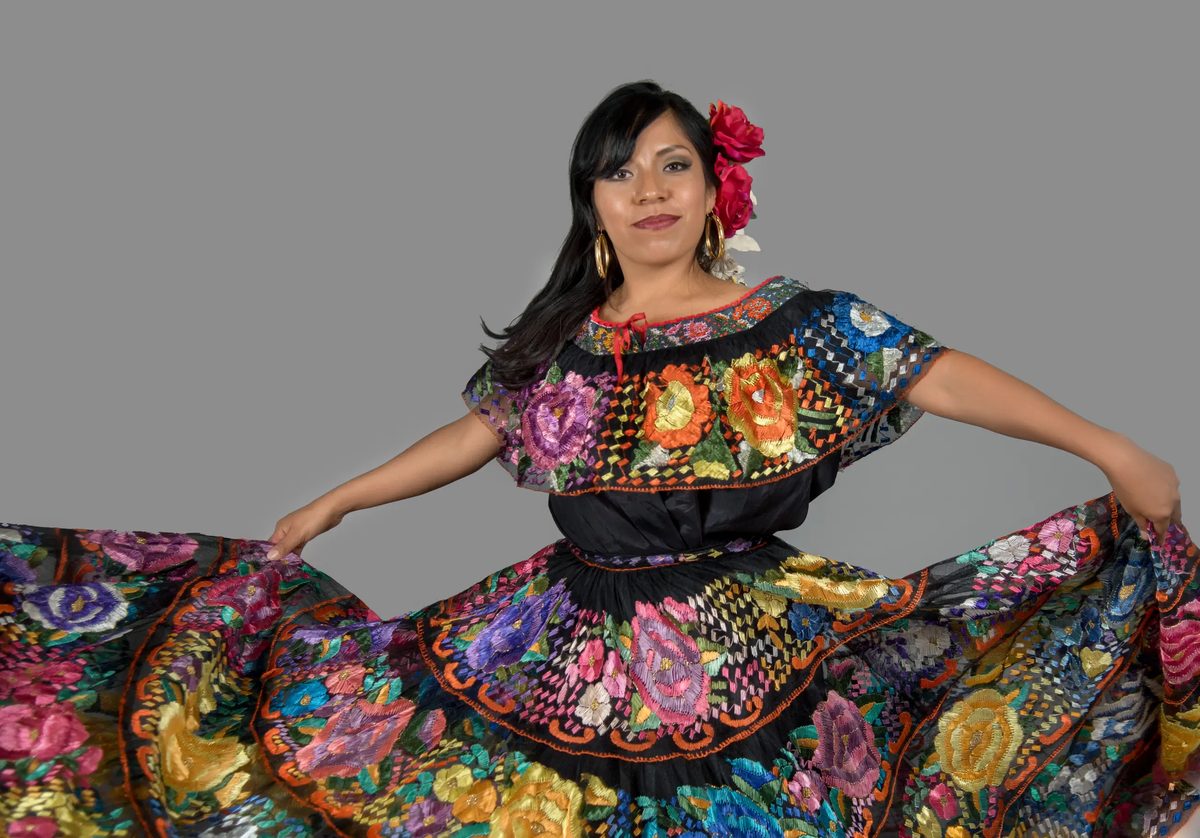
The Huipil: Woven Identity and Resistance
The Huipil is far more than fabric stitched together. For Indigenous women in Mexico and Guatemala, this garment is a living archive of culture, identity, and quiet defiance. Its vibrant, intricate embroidery carries the visual language of the Maya civilization directly into the modern day.
The roots of the Huipil dig deep into Maya history. Historically, these blouses acted as a social code. The patterns and colors signaled a woman’s status, marital status, and specific regional origin. It was a uniform of belonging.
Then came the Spanish colonial era.
Under pressure to adopt European dress codes, Indigenous women clung to the Huipil. It became a tool for preserving cultural integrity. While outwardly adapting to colonial demands in other areas, the Huipil remained a steadfast symbol of resistance. It allowed Maya women to maintain their heritage when everything around them was being erased or overwritten.
The Huipil is not just clothing. It is a narrative. The motifs tell a story of community, belief, and personal history.
Craftsmanship is central to this tradition. Usually made from cotton or linen, the garment is cut in a simple rectangular shape. The front and back panels are joined at the shoulders, leaving the sides open or loosely seamed. But the simplicity of the cut belies the complexity of the work.
The real art lies in the embroidery.
Geometric shapes, animal figures, and plant motifs cover the surface. Each element carries specific meaning. A bird might represent freedom; a spiral, continuity. These are not random decorations. They are a visual language passed down through generations of female handiwork. Today, the Huipil is still worn daily in many parts of Mexico and Guatemala. For local women, it is practical tradition. For tourists, it has become a popular souvenir—a portable piece of art.
Bunad, Norway
If the Huipil is a story of resistance and roots in Central America, the Bunad in Norway is a statement of regional pride and historical continuity. This traditional folk costume varies wildly from municipality to municipality. There is no single “Norwegian” Bunad. Instead, there are hundreds of distinct versions, each tied to a specific valley, town, or county.
The Bunad is not a costume. It is not for Halloween or theatrical performance. It is everyday wear, worn with serious pride. The designs reflect local history, materials available in the region, and old family patterns. A Bunad from Telemark looks nothing like one from Hardanger. The embroidery, the cut, and even the silver jewelry differ to signal exactly where the wearer’s roots lie.
9. Bunad, Norway (Continued)
Wearing a Bunad is a commitment. It requires knowledge of local traditions and often significant financial investment. A genuine Bunad can cost thousands of dollars due to the hand-embroidery and high-quality wool or linen required. It is a garment meant to last generations.
The occasion matters, too. While you might see Bunads in daily life in some rural areas, they are most prominently displayed on national holidays like May 17th (Constitution Day). The streets fill with color. It is a visual demonstration of Norwegian identity, but one that is deeply localized. You are not just wearing “Norway.” You are wearing your hometown.
The
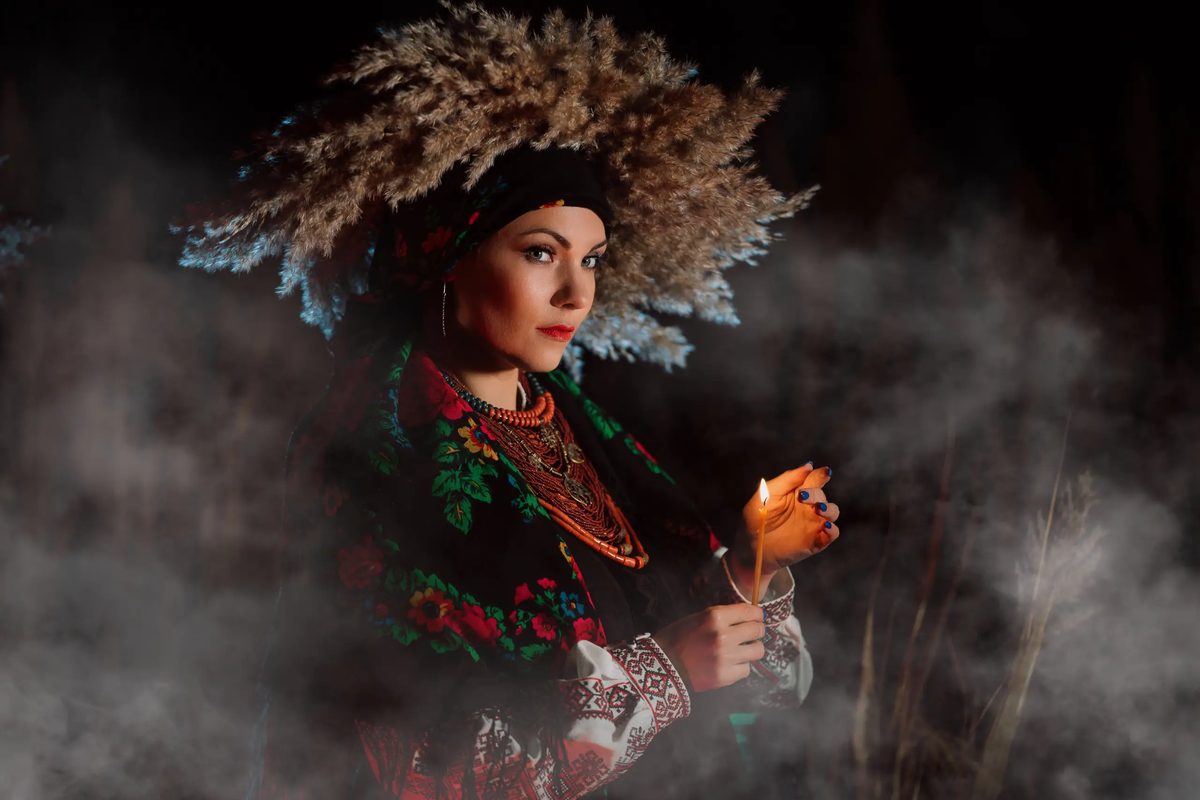
Norway isn’t just about fjords. It’s about identity. And few things scream Norwegian identity louder than the Bunad.
This isn’t just a dress. It’s a history lesson you wear. For centuries, this traditional attire has anchored Norwegian life. It reflects geography, class, and community. If you think it’s just for holidays, you’re missing the point. It’s a living symbol.
The History Behind the Stitching
The word Bunad comes from the Old Norse búnaðr, meaning clothing or equipment. Simple enough. But the story goes deeper.
Back in the Middle Ages, rural Norwegians wore practical wool garments. They were functional. They kept you warm. They weren’t fancy.
Over time, those basic tunics evolved. Climate and local traditions changed the fabric. The cuts shifted. By the 19th century, the National Romantic movement revived interest. People wanted a visual link to their independence. The Bunad became a badge of cultural pride.
“The Bunad is not just clothing. It is a rooted symbol of Norwegian culture.”
Suddenly, regions began developing distinct styles. Each area claimed its own look. National pride wasn’t abstract anymore. It was woven into the seams.
It’s Not Just a Dress
Wearing a Bunad signals belonging. It shows respect for history. But it also communicates specific details about the wearer.
Look closer. The colors matter. The patterns matter. The accessories matter.
They tell people where you’re from. They hint at your social standing. In some cases, they even signal marital status. It’s a silent language. A visual dialect.
Which Bunad Is Right for You?
There are over 200 different Bunad styles across the country. That’s a lot of variation.
Each region has its own signature look. Most are made from natural fibers. Think wool. Think linen. Think cotton. These materials breathe. They last.
Accessories complete the ensemble. Silver jewelry is common. Gold accents appear too. Embroidered belts cinch the waist. Colorful shingles wrap around the shoulders. These aren’t afterthoughts. They’re essential components.
Choosing the right Bunad depends on heritage. Or at least, preference. But authenticity requires research. You can’t just buy any dress and call it tradition.
Where Do You Wear It Today?
You still see Bunads everywhere in Norway. Especially on special occasions.
Weddings. Baptisms. Cultural festivals. The streets fill with color on May 17th. That’s Norwegian National Day. It’s the biggest celebration of the year. Thousands of people don their regional Bunads. It’s a sea of red, white, blue, and green.
Tourists often buy them too. They make popular souvenirs. But wearing one casually? That’s for locals mostly. It’s a mark of participation. Of inclusion.
It’s not about perfection. It’s about showing up. Wearing the history. Embracing the craft.

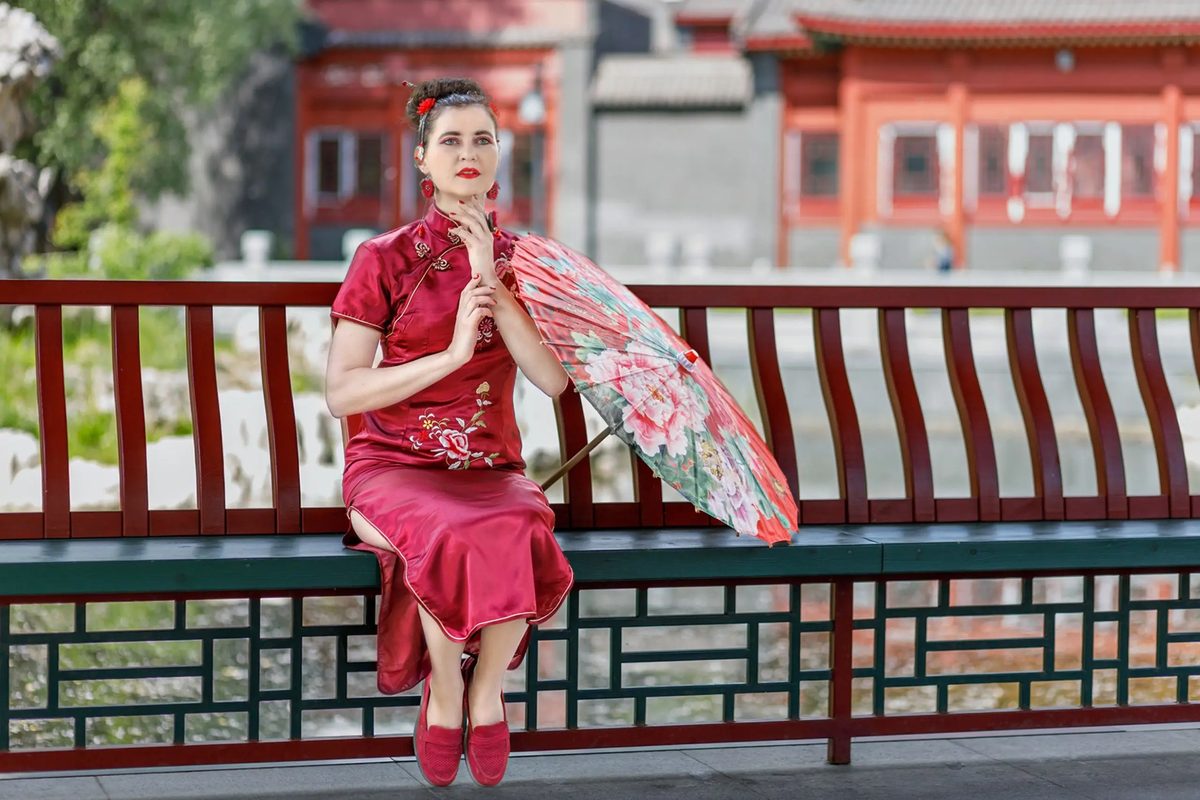
The Cheongsam: Why This Silhouette Still Defines Feminine Grace
It is hard to look at traditional Chinese fashion without landing on the Cheongsam, known in the West as the Qipao. This isn’t just a dress. It’s a statement piece that has managed to survive revolutions, wars, and rapid modernization to remain a potent symbol of elegance.
The story starts in the early 20th century. Before it became the form-fitting icon we recognize today, the garment was rooted in the loose, flowing robes of the Manchu people. It was bulky. It hid the body. But something happened in the 1920s in Shanghai. Women there began tailoring the fabric tighter. They wanted movement. They wanted visibility. The result was a dramatic shift toward a cut that hugged the hips and chest. This new silhouette didn’t stay in Shanghai. It spread. Suddenly, the modern Chinese woman was being defined by a line that celebrated her figure rather than concealing it.
Why does it matter now?
Because the Cheongsam is coded. When you see one, you are reading a history book in silk. The fabric choices speak volumes. Heavy satin or delicate silk? That signals weight and occasion. The patterns aren’t random decorations. They are messages. You will often see dragons, which historically reserved for the emperor, but in women’s wear, they were adapted to signify power and good fortune. Peonies represent wealth. Birds suggest longevity.
The construction is specific, too. You cannot miss it. The high collar frames the neck, demanding a certain posture. The side slits allow for walking in a narrow hemline, a practical genius disguised as fashion. The buttons running up the side are not just closures; they are art.
Today, you will still see them. Not everywhere, but in specific moments. Weddings. Lunar New Year celebrations. High-level diplomatic dinners. For tourists, it has become a staple gift item—a piece of culture you can wear. But the modern designers aren’t just copying the past. They are twisting it. Shorter lengths. Sheer fabrics. Asymmetric cuts. The traditional bones remain, but the muscle has changed.
So, when you look at a woman in a Cheongsam, you aren’t just seeing a dress. You are seeing a century of negotiation between tradition and modernity. Between modesty and exposure. Between who she was told to be and who she decided to become. The slit in the side isn’t just for ease of movement. It’s a breach in the armor.