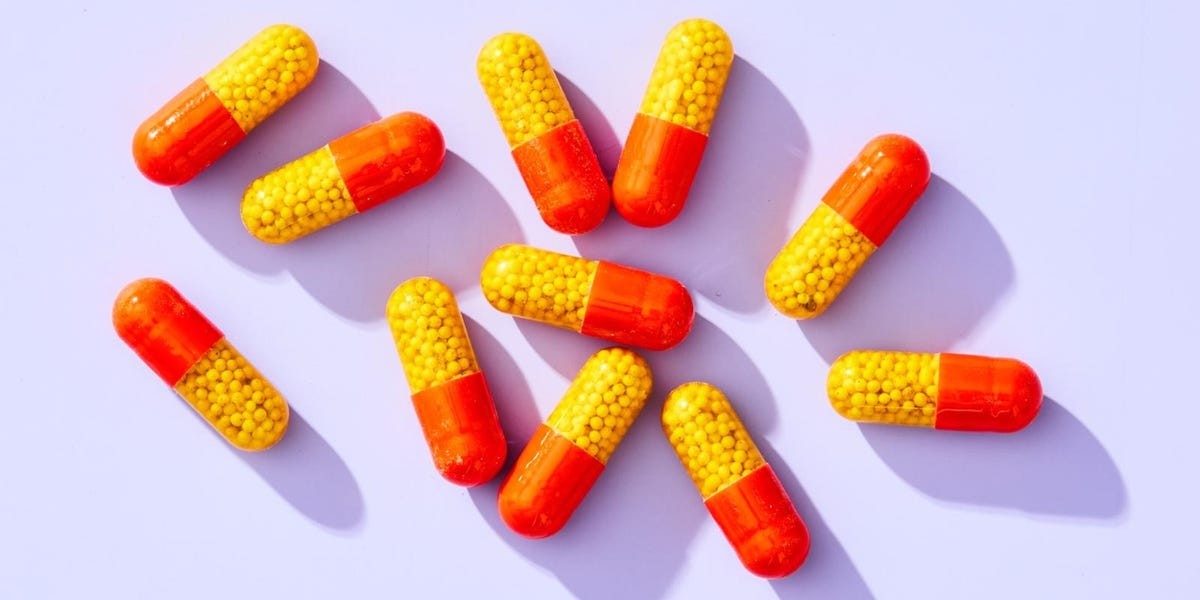
The UV index climbs. You know the drill. Slap on the SPF. Grab the hat. Hide in the shade until noon passes. Easy. But social media tells a different story. Pop a pill, they say.
Ingestible sun protection isn’t new. Heliocare has been selling capsules for years. Lately though, the trend is surging again. Why? Partly because tanning is cool again. Partly because the FDA finally approved a new topical filter. The allure is simple. Take a capsule. Go outside. Worry less.
It’s too good to be true. Because it is.
“Taking a capsule is not equivalent to applying SPF. That is simply not true.”
— Shereene Iyengar, MD, Dermatology, New York City
It sounds harsh. It is. These supplements don’t block UV rays. Topical sunscreen acts like a shield. Physical barrier or chemical filter. Pills don’t do that. They work from the inside. They help manage the mess your skin makes after you get burned.
Let’s look at who’s talking.
Shereene Iyengar, MD. Whitney Hovenic, MD. Connie Yang, MD. Sarah Allen, MD. All board-certified dermatologists. They see the science. They also see the marketing traps.
What Are These Pills Actually Doing?
Forget the word “SPF” when it comes to these bottles. The FDA doesn’t regulate them as drugs. They are dietary supplements. Think vitamins. Think fish oil.
So what do they do?
Whitney Hovenic puts it bluntly. Sunscreen blocks radiation. These supplements reduce oxidative stress. They limit inflammation.
The hero ingredient is polypodium leucotomos. It’s an extract from a tropical fern. Studies show it helps skin handle UV-induced damage. It limits free radical activity. It supports the immune response. Less redness. Less DNA damage. Basically. It stops you from aging as fast from the sun.
There is another contender. Nicotinamide (Vitamin B3). This one helps repair DNA. It fuels cells after damage. Some data suggests it lowers non-melanoma skin cancer risk in high-risk folks.
Then there is the rest. Lycopene. Beta-carotene. Green tea extract. Astaxanthin. They have potential. Sure. But the data is patchy. Polypodium and Nicotinamide carry the most clinical weight right now.
Should You Add Them?
Is this just hype?
No. Human studies exist. Measurable effects exist. But do not get lazy.
“They do not make someone immune. They do not eliminate the need for clothing.”
Treat these as a sidekick. Not the lead.
They help if you are unlucky. Multiple skin cancers? Melasma? You live for the beach? You burn in ten minutes? These pills might be a worthwhile buffer. For everyone else? They are extra insurance. Not the policy itself.
The Skin Cancer Question
Rates are climbing. Tanning culture is back. It feels good to believe a pill is a magic shield.
It is not.
Connie Yang points out the hard truth. No controlled trial shows Polypodium reduces cancer incidence in the general public. Prevention remains external. Hats. Shirts. Shade. Topical SPF. These tools work. Proven.
Nicotinamide looks promising for reducing cancer rates. But again. It works with standard protection. Not instead of it. Don’t swap your zinc oxide for a B3 vitamin and think you’re safe. You aren’t.
How to Take Them
Dosage depends on the goal.
- Nicotinamide : Studies use 500mg. Twice daily.
- Polypodium leucotomos : Take it before sun exposure. Keep going during peak UV seasons.
Use them when you vacation. Use them for the tennis tournament. Use them in July. If you have chronic pigment issues like melasma, daily use makes sense as part of a broader plan.
The Real Defense Plan
Science is compelling. But habits are older.
Wear SPF 30+. Broad spectrum. Reapply every two hours. Especially after swimming.
Wear the hat. Wear the sunglasses. UPF clothing is cheap and effective.
Melasma? Hyperpigmentation? You need iron oxide filters. Visible light worsens those conditions. Darker skin tones are particularly susceptible to pigmentation from light exposure, not just heat.
The pills give us a conversation. A way to talk about sun safety. But don’t let them play the bigger role they don’t deserve.
Sarah Allen puts it this way. Wear sunscreen like you brush your teeth. Everyday. Not just on beach trips.
The supplement is the MVP?
No. That’s a myth. Rely on the pill and ignore the lotion and you’re asking the wrong person to carry the team. The sun doesn’t care if you swallowed antioxidants. It cares if you are covered.