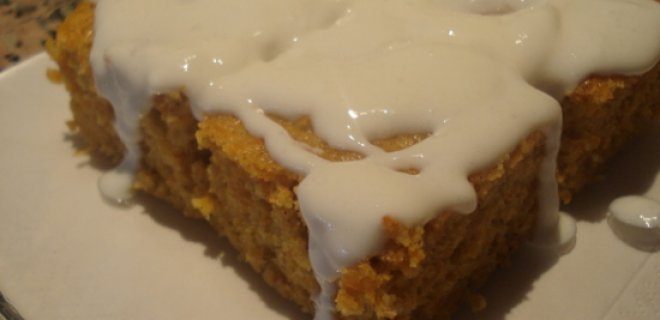
A good glaze does two jobs. It makes the cake look professional. It keeps the crumb from drying out. Most home bakers skip this step, but it’s what separates a bakery-quality treat from something that tastes like cardboard by Tuesday. Whether you are icing a tart, sealing a sponge, or just want a shiny finish on cookies, the right sauce changes everything. The application matters too. Some cakes get a thin veil. Others need a thick coat. And if you apply it warm, you get that high-gloss shine.
Here is how to make three essential glazes without the fuss.
Powdered Sugar Glaze: The Quick Fix
This is the default go-to for quick icing. It’s sweet, simple, and hard to mess up. You need just two ingredients.
Ingredients:
– 250 grams powdered sugar
– 4 to 5 tablespoons hot water
Instructions:
Sift the powdered sugar into a bowl. This prevents lumps. Add hot water one tablespoon at a time. Stir constantly. Stop when you hit the consistency you want. Thicker for piping. Thinner for drizzling. It’s that straightforward.
Chocolate Glaze: For Rich, Dense Finish
This one is for when you want depth. The butter adds richness, while the hot water helps the sugar dissolve into the chocolate without seizing it. It sets firm but stays chewy.
Ingredients:
– 125 grams compound or couverture chocolate
– 150 grams powdered sugar
– 3 tablespoons water
– 1 tablespoon butter
Instructions:
Use the bain-marie method. Place the chocolate in a heatproof bowl over simmering water. Do not let the bowl touch the water. Stir until melted. Remove from heat. Sift in the powdered sugar. Add the water and butter. Mix until smooth. Keep the bowl over the warm water for a moment to blend everything, then remove it. Stir continuously as it cools. This prevents a skin from forming and ensures a glossy finish.
Vanilla Sauce: The Custard-Style Coating
This isn’t just a glaze. It’s a custard. It’s heavier, creamier, and perfect for layering inside cakes or pouring over individual slices. It requires a bit more attention to avoid curdling the eggs.
Ingredients:
– 100 grams cream
– 50 grams milk
– 50 grams egg (roughly one large egg)
– 50 grams granulated sugar
– 1 packet vanilla sugar
– 1 tablespoon cornstarch
Instructions:
Heat the milk and cream in a saucepan until it just starts to bubble. Do not let it boil over. In a separate bowl, whisk the egg, sugar, vanilla, and cornstarch until pale. Slowly ladle the hot milk mixture into the egg mixture while whisking constantly. This tempers the eggs. Pour everything back into the saucepan. Cook over low heat, stirring constantly, until it thickens. It should coat the back of a spoon. Remove from heat immediately.
Why It Matters
You might think these extra steps are unnecessary labor. But consider the texture. A dry cake falls apart. A glazed cake stays moist for days. The sauce
Rich Chocolate Sauce
This is the backbone of the dessert. You’re not making a complicated ganache here; you’re making something sturdy enough to hold a layer of cake together.
You need a liter of liquid. Water works fine if you want it sharper. Milk makes it softer, creamier, rounder. It changes the texture without changing the method.
Next, sugar. A lot of it. 400 to 500 grams. That’s a heavy hand. But if you don’t use enough sugar, the chocolate seizes up. It turns grainy. You want it glossy. You want it to shine under the kitchen lights.
Then, the chocolate. One kilo. Full-fat. Real chocolate. Not the baking chips that are full of stabilizers. If you’re building a dessert that needs to last a few days, you need the real stuff. It sets better. It tastes better.
And that one spoon of glucose? Don’t skip it. It’s the secret weapon. It stops the sugar from crystallizing. It keeps the sauce smooth even when it cools down. Without it, you might get that weird gritty texture on the tongue.
Here is how you actually do it.
Put the water or milk and the sugar in a pot. Bring it to a boil. Watch it. Don’t walk away. Once it bubbles, you dump in the chocolate. All of it. Stir it out until it’s gone. No lumps. No bits of dry cocoa.
Then, let it cool. Just leave it alone. As it drops in temperature, it thickens. That’s when you use it. Spread it on the cake layer. It should be thick enough to stay put. Thin enough to spread easily.
It’s simple. It’s heavy. It’s sweet. And it’s necessary.

The Reality of Modern Wardrobe Staples
You are not buying clothes for the woman you were at twenty. You are dressing for the life you have now. That means less rigid structure and more fabric that moves with you. The shift isn’t just about comfort. It’s about respect for your time.
Consider the blazer. The oversized, boxy version from the early 2000s is gone. In its place is the soft-shoulder cardigan or the unstructured linen jacket. These pieces don’t demand posture. They allow you to breathe. They work from a morning Zoom call to an evening drink with friends.
Skincare as Maintenance, Not Magic
The holy grail of skincare isn’t a serum that erases time. It’s consistency. You need a routine that survives your worst days.
- Cleanse gently. Harsh scrubs damage the barrier.
- Moisturize daily. Even if your skin feels oily.
- Wear sunscreen. Every single day. Rain or shine.
This isn’t about achieving porcelain skin. It’s about maintaining a healthy barrier so you don’t spend hundreds on reactive treatments. The goal is resilient skin. Not perfect skin.
The Relationship Pivot
We used to ask if a partner was “the one.” Now, the question is more practical. Do they add to my life or subtract from it?
This shift is subtle but profound. It’s less about grand romantic gestures and more about shared values. Do they respect your career? Do they support your friendships? Do they handle conflict with grace or aggression?
“Love is a verb. It’s shown in small, consistent actions.”
Look for the person who listens. The one who remembers how you take your coffee. The one who doesn’t make you explain your need for space. These are the markers of a sustainable partnership. Not the ones who sweep you off your feet, but the ones who help you carry the load.
Family Dynamics and Boundaries
Motherhood, caregiving, or just navigating adult relationships with parents—it’s messy. The old rule of “blood is thicker than water” is being rewritten. You get to define what family means.
Setting boundaries isn’t cruel. It’s necessary. You can love your mother and still say no to her unsolicited advice. You can care for your aging parents and still hire help. You don’t have to do it all alone.
- Audit your obligations. Which ones drain you? Which ones nourish you?
- Delegate. If you can pay someone to do it, let them.
- Communicate clearly. Don’t hint. Say what you need.
This isn’t selfish. It’s survival. You cannot pour from an empty cup. And if you’re constantly filling others’ cups, yours will run dry.
The Financial Freedom Factor
Beauty, fashion, relationships—all of this costs money. But financial stress kills joy faster than bad hair days.
Focus on spending that aligns with your values. If you love cooking, invest in good knives. If you love travel, save for experiences. Cut back on things that don’t serve you. That might mean canceling subscriptions you never use. It might mean buying fewer, better quality clothes.
It’s not about deprivation. It’s about intentionality. Know where your money goes. Then choose to spend it