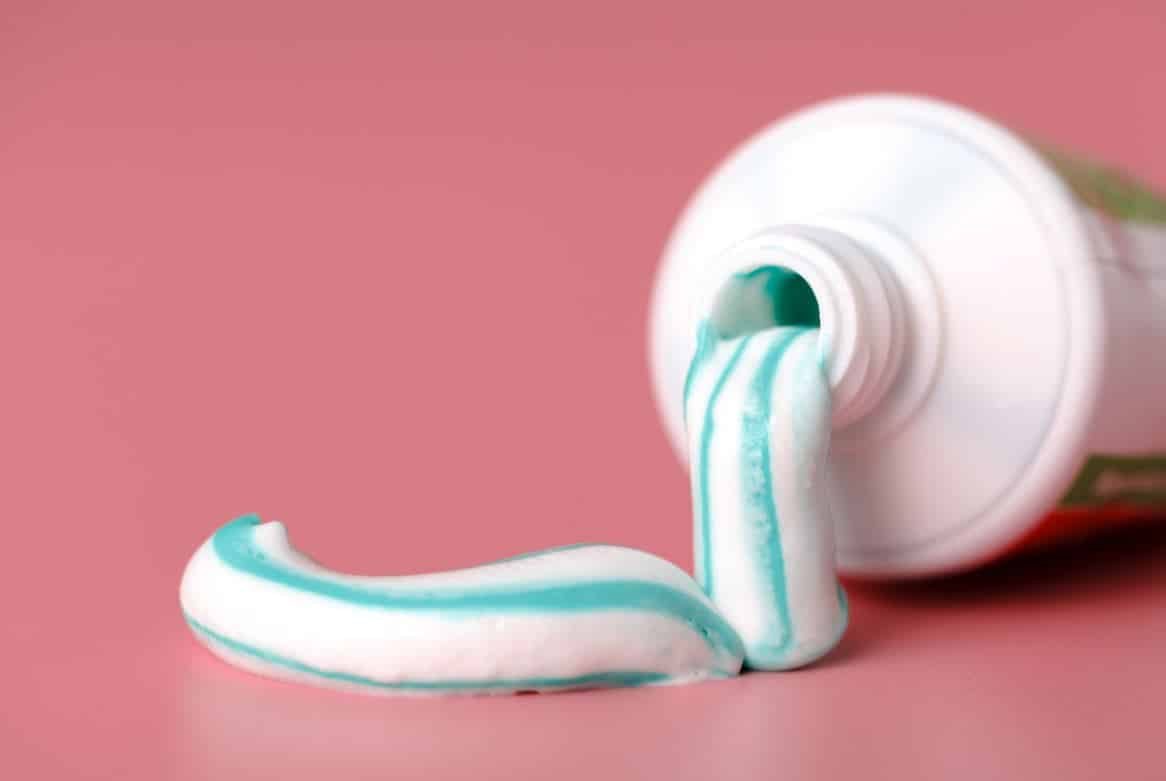
Some skincare hacks feel like they’ve been passed down through family groups on WhatsApp for decades. The idea that slathering white toothpaste on a red, throbbing pimple will banish it by morning is one of those persistent legends. It’s tempting, especially when you’re out of proper acne treatments. But is there any science backing this bathroom cabinet staple as a spot treatment?
The origin of this myth rests on two fundamental properties of toothpaste: dehydration and disinfection. Historically, people noticed that toothpaste could dry out minor skin irritations. They observed a mild antiseptic effect that seemed to calm inflammation. These observations fueled the belief that toothpaste could solve acne problems overnight.
Why Toothpaste Seems to Work (At First)
Toothpaste contains ingredients that temporarily reduce the appearance of a pimple. Mint provides a cooling sensation. Menthol creates a tingling feeling on the skin. Alcohol dries out excess oil. Baking soda acts as an exfoliant. Hydrogen peroxide offers antiseptic properties. When applied to a spot, these components work together to reduce swelling and redness quickly.
Many people report success with this method. They see a flatter, less red bump the next morning. This immediate result reinforces the habit. It creates a cycle of reliance on toothpaste for breakouts. The quick fix feels like a win. It saves a trip to the pharmacy. It uses what is already available at home.
The Hidden Risks of Using Toothpaste on Skin
Skin experts warn against this practice for good reason. Toothpaste is formulated for teeth, not facial skin. The pH level of toothpaste is often too high for the delicate balance of facial skin. Ingredients like sodium lauryl sulfate can strip natural oils. This stripping leads to irritation and redness. Some formulations contain bleaching agents that may damage the skin barrier.
Using toothpaste on acne can cause contact dermatitis. This reaction presents as redness, itching, and dryness. It can mimic or worsen acne symptoms. Instead of clearing a pimple, you might end up with a patch of irritated skin. This irritation makes the original breakout look worse. It complicates the healing process.
Better Alternatives for Spot Treatment
If you need a quick solution for a sudden pimple, dermatologists recommend targeted treatments. Benzoyl peroxide kills acne-causing bacteria. Salicylic acid unclogs pores. Sulfur helps dry out excess oil. These ingredients are designed for skin. They work effectively without causing unnecessary damage. Over-the-counter patches provide another option. They absorb fluid and protect the area from picking.
For mild cases, warm compresses can help. They increase blood flow to the area. This promotes natural healing. Gentle cleansing with a mild soap removes excess oil. Avoid harsh scrubs during a breakout. They can exacerbate inflammation.
The Bottom Line
The toothpaste hack offers a temporary visual improvement. It dries out the pimple through dehydration. It may reduce redness temporarily. However, the risks often outweigh the benefits. Potential irritation and barrier damage make it a poor long-term strategy. Modern skincare products address acne more effectively and safely. Stick to treatments designed for your skin type. Listen to what your skin tells you. If something stings or burns, wash it off immediately.
Sk
We’ve all seen the hacks. Put toothpaste on a pimple. Wake up, and it’s gone. It’s a staple of college dorm life and late-night panic sessions. The logic seems sound, mostly because acne thrives on oily skin, and toothpaste is designed to strip grease. Plus, it dries things out.
But here is the reality check you probably didn’t see coming.
The magic isn’t in the toothpaste. It’s in the damage.
The science of drying out a pimple
When you smear paste on a zit, two things are happening. First, the baking soda acts as a mild abrasive and emollient. It softens the skin’s surface. This helps the pus inside the pimple drain. That pus is full of bacteria.
Second, the antibacterial agents in the paste kill some of those bugs.
It works. Sort of.
You see less redness. You see less swelling. But you aren’t treating the skin. You are traumatizing it.
The cost of that “quick fix”
That drying effect comes from baking soda, alcohol, and fluoride. These ingredients are harsh. They disrupt your skin’s natural pH balance. And once that barrier is broken, other problems start to creep in.
Rosacea. Eczema. Allergic reactions.
Fluoride, which is great for enamel, can trigger perioral dermatitis if it gets on the face. That’s a rash around the mouth. Not exactly the look you want when you’re trying to clear up a breakout.
Why your face isn’t a tooth
Toothpaste contains abrasives like silica or baking soda. These are meant to scrub plaque off hard enamel. Skin is soft tissue. It’s delicate.
Beyond the abrasives, there’s a laundry list of ingredients that have no business on your face.
- Fluoride: Can cause irritation, itching, and allergies on facial skin.
- Sulfates (like Sodium Lauryl Sulfate): These create foam in your mouth. On your face, they stimulate excess sebum production. So, instead of drying out the oil, you might actually make the skin greasier. The opposite of what you want.
- Whitening agents: Things like hydrogen peroxide are bleaches. They are too strong for the delicate epidermis of the face.
- Additives: Toothpastes with colors, glitter, or gel beads are highly allergenic. Avoid them entirely if you’re experimenting, though you shouldn’t experiment at all.
Better ways to calm a breakout
If you’re going to use something, make it something that understands your skin.
The goal of any spot treatment is to dehydrate the pimple and disinfect the area. Toothpaste does this by force. There are gentler ways to achieve the same result without destroying your moisture barrier.
Try a lotion designed for oily skin. Use anhydrous hydrocolloid patches to physically pull out the impurities. A simple thermal water spray can soothe the inflammation without stripping the skin.
Your skin reacts quickly. What works on a tooth won’t work on a face.
If you absolutely must use toothpaste
Some of you are going to ignore this. You have a big event in two hours. You have one zit. You need it gone now.
If you’re going to risk the reaction, follow these strict guidelines to minimize the harm:
- Choose a plain white paste. No gels. No colors. No glitter. No charcoal.
- Look for organic options. Fewer harsh chemicals is always better.
- Rinse immediately. Do not leave it on overnight. Do not leave it on for hours. Toothpaste is formulated to be brushed and then washed away. Leaving it on is an abuse of the product.
Apply a thin layer. Set a timer for five minutes. Wash it off. Moisturize.
It might still fade by morning. But at least your skin won’t pay the price for the next month.
The urge to fix a blemish instantly is strong. It’s human. We want control. But skin health is a marathon, not a sprint. Sometimes the best thing you can do is nothing at all. Or just put on a clean pillowcase and wait it out.