Dieting is woven into the fabric of American life. On any given day, millions of people are actively “on a diet” or obsessively counting calories. The sheer volume of named protocols is staggering. You likely recognize most of them from magazine covers or casual conversation:
- The Atkins Diet
- The Cabbage Soup Diet
- The Grapefruit Diet
- The Hollywood Miracle Diet
- The Rice Diet
- The Scarsdale Diet
- The South Beach Diet
- The Zone Diet
These names recur because the struggle to manage weight is universal. But before we talk about how to lose weight through diet and exercise, we have to understand the enemy. And the enemy isn’t your lack of willpower. It’s your biology. Specifically, it’s how efficiently your body operates.
How Calorie Efficiency Works
Have you noticed that weight gain feels inevitable as you age? Especially after 30? It’s not just in your head. Your body is remarkably efficient at conserving energy. It doesn’t waste calories. At rest, your body burns approximately 12 calories per pound of body weight per day. That is 26 calories per kilogram.
Let’s run the numbers for a 150-pound person.
150 x 12 = 1,800 calories per day.
That 1,800 figure is a baseline estimate for your Basal Metabolic Rate (BMR). These calories are non-negotiable. They keep your heart beating. They power your lungs. They run your brain. They maintain your body temperature. Without this constant fuel burn, you die.
Movement changes the equation, but only slightly. Consider a marathon runner. Covering 26 miles burns roughly 2,600 calories. That breaks down to about 100 calories per mile. Or 62 calories per kilometer. The body is frugal. It wants to get from point A to point B using the least amount of energy possible.
The Human Engine vs. The Car Engine
To understand why weight gain is so easy, compare your body to a car. A typical American car gets between 15 and 30 miles per gallon. One gallon of gasoline contains about 31,000 calories.
If humans could drink gasoline instead of eating hamburgers, the math gets wild. A human could run 26 miles on just 1/12th of a gallon of fuel. That is roughly 0.3 liters.
In fuel efficiency terms, a human on foot achieves more than 300 miles per gallon. On a bicycle? We’re talking over 1,000 miles per gallon.
Key Insight: Your body is arguably more fuel-efficient than any machine built by humans.
This extreme efficiency is why gaining weight happens so easily. It’s not because you’re eating too much relative to your needs. It’s because your needs are lower than you think. Your body hoards energy. It saves it. It prepares for a famine that may never come.
Understanding this mechanism is the first step in reversing it. You have to fight biology with strategy.
The Math of a Single Fast-Food Meal
Sitting still burns surprisingly little energy. The baseline number often cited for a resting adult is 1,800 calories a day. That is not a lot. It is a modest allowance, easily blown by one transaction at a drive-thru.
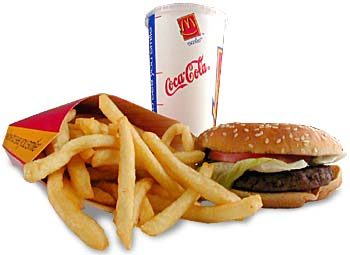
Walk into a McDonald’s. Order the Big Xtra meal. You get a sandwich, large fries, and a large Coke. The numbers stack up fast.
- Sandwich: 710 calories
- Large fries: 540 calories
- Large Coke: 310 calories
That is 1,560 calories. In one sitting. You have just consumed 86% of your daily energy budget before you’ve even left the parking lot. If you add an M&M McFlurry for dessert, you are looking at 2,190 calories. You are already over your limit. For what? A burger and some sugar.
Pizza Hut offers a different kind of trap. The Meat Lover’s Pan Pizza is dense. Each slice carries 360 calories. Eat three slices. Add a large drink. That is 1,390 calories. You are sitting at 410 calories shy of your entire daily requirement.
We treat these meals as snacks. As if they don’t count. But the math does not care about our intentions. The caloric density of fast food is engineered to be irresistible, but it is also engineered to derail your daily intake in minutes. How many of these meals does it take to gain weight? Just one.
The Calorie Math of Modern Convenience
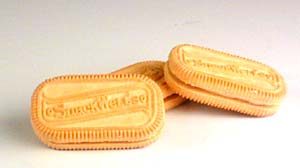
Eating twelve SnackWell’s Creme Sandwich Cookies is surprisingly easy. You barely notice it happening. But that small habit packs in 660 calories. That is more than a third of your entire daily energy allowance.
The goal here isn’t to shame specific brands. I have two kids and we hit McDonald’s at least once a week. The point is simpler. In America and most developed nations, accessing calories is effortless. It is the default state of life.
Consider a typical Tuesday for an overworked, over-scheduled mom. Breakfast is two Pop-Tarts. Lunch is Pizza Hut. An afternoon snack consists of those cookies and a cola. Dinner is back at McDonald’s. The evening ends with potato chips in front of the TV.
Total intake? You are looking at 3,000, 4,000, or even 5,000 calories. No effort required. Just convenience.
Your body loves this. It is built to store excess energy. When you have surplus calories, it converts them to fat for a “rainy day.” It only takes 3,500 excess calories to generate one pound of new body fat. If you eat just 500 extra calories a day, you gain a pound every week. Five hundred calories. That’s one ice cream cone. Or a few cookies. Weight gain is the path of least resistance in our current environment. Food is just too easy to find.
How Calorie Deficits Actually Work
Let’s say you are overweight and want to lose five pounds. To drop one pound of fat, you need a deficit of 3,500 calories. You must consume 3,500 fewer calories than your body burns over time.
How do you create that gap? Let’s look at a 150-pound woman. Her basal metabolic rate—the energy needed just to exist in bed—is roughly 1,800 calories a day.
Here is how you could theoretically lose weight:
- Starvation Mode: Lie in bed. Do nothing. Eat nothing. You use 1,800 calories. You consume zero. Deficit: 1,800 daily. You lose one pound every two days.
- Diet Only: Eat 1,500 calories a day. Your body burns 1,800. Deficit: 300 daily. You lose one pound every 12 days.
- Exercise Only: Eat your normal 1,800 calories. Go for a 2-mile jog. You burn an extra 200 calories. Deficit: 200 daily. You lose one pound every 18 days.
- The Extreme: Eat 2,500 calories. Run 10 miles. You burn 1,800 at rest plus 1,000 running. Total burn: 2,800. You consume 2,500. Deficit: 300. You lose one pound every 12 days.
The rule is absolute. To lose fat, you must consume fewer calories than your body needs. The method—starving, dieting, or sweating—doesn’t matter. Only the math does.
Every 3,500-calorie deficit equals one pound of fat lost.
Most diet programs, from Weight Watchers to grapefruit fads, are just tools to lower that daily intake number. That is all they are designed to do.
Why Diets Fail (And Why It’s Not Your Fault)
Diets usually fail because they are not sustainable. They create a temporary hole in your calorie intake. When the diet ends, you return to normal eating. The weight returns.
Let’s look at the math of maintenance. You weigh 150 pounds. You burn 1,800 calories resting. Add 200 calories for daily movement—walking stairs, carrying groceries, chasing kids. Your total daily need is 2,000 calories.
If you eat 2,050 calories a day, you are in surplus. Just 50 extra calories.
Do the math. 3,500 calories (one pound) divided by 50 excess calories per day equals 70 days. You gain one pound every two months. Keep that up for a year, and you’ve gained five pounds.
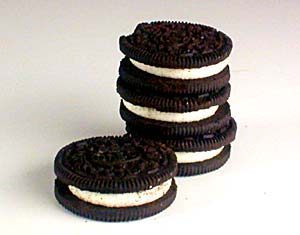
This is the silent trend for a huge portion of the U.S. population. We don’t need to binge. We just need to over-consume by a tiny margin. One Oreo-type cookie has 50 calories. It’s easy to eat. It’s harder to notice. And over time, those tiny surpluses add up to something significant.
It’s not about willpower. It’s about the invisible accumulation of small choices in a world designed to feed us constantly.
The Crash Course in Calorie Math
Let’s say you decide to tackle the “Get Slim Miracle Diet.” You commit to a menu that is essentially brown rice, Vienna sausages, and onions. That’s it. You’re looking at roughly 1,000 calories a day. To add insult to injury, you start jogging two miles daily.
Here is the math. You are creating a deficit of about 1,200 calories each day. Since a pound of fat equals roughly 3,500 calories, you’ll drop a pound every three days. Do this for two months. Congratulations. You’ve lost 20 pounds.
Now comes the reality check. What happens the day you stop? You’ve spent eight weeks eating rice and canned meat. Your body is screaming. You eat significantly more than usual. Then you slide back into your old habits. The weight returns. Maybe it comes with interest.
This is why most diets fail. You lose the weight, then you stop the diet, and you gain it back. The problem isn’t just the willpower; it’s the plan itself. You need a sustainable approach. Not a crash course. A lifestyle that lets you eat normal food without feeling like you’re on a punishment tour.
Building a Sustainable Diet
The goal isn’t to suffer for 60 days. It’s to find a rhythm you can keep for 60 months.
1. Ditch the Extreme Restriction
Vienna sausages and brown rice is not a diet. It’s a survival tactic. And survival tactics don’t last. When you cut calories too low, your metabolism slows down to preserve energy. You get hungry. You get irritable. You crave the very things you’ve banned.
A sustainable diet doesn’t ban foods. It balances them. You can still enjoy a slice of pizza. You just need to know how much you can have without blowing your weekly balance. It’s not about perfection. It’s about consistency.
2. Make Movement Non-Negotiable, But Flexible
Jogging two miles is great. But what if it rains? What if your knees hurt? What if you’re exhausted from work?
Find movement you don’t hate. Walking. Dancing. Swimming. Gardening. The best exercise is the one you’ll actually do when you’d rather stay on the couch. Consistency beats intensity every time. You don’t need to burn 1,200 calories a day. You just need to move enough to keep your body efficient.
3. Focus on Whole Foods (Mostly)
You don’t need to give up pizza. But you do need to fill the majority of your plate with things that keep you full. Vegetables. Lean proteins. Whole grains. Fiber. These foods take longer to digest. They keep your blood sugar stable. They stop you from feeling like you’re starving an hour after eating.
Sausages are high in sodium and processed meat. Not exactly a daily staple for long-term health. Swap them out for grilled chicken, fish, or beans. Your body will thank you. Your waistline will follow.
4. Listen to Your Body
Hunger is a signal. Not an emergency. Not an enemy. It’s your body telling you it needs fuel. Learn the difference between physical hunger and emotional hunger. Are you
The Math Behind the Mirror
Let’s be real for a second. Building a diet that actually sticks isn’t just about willpower. It’s about arithmetic. And if you’ve ever felt like you’re eating nothing but still gaining weight, the problem might not be your appetite. It might be your math.
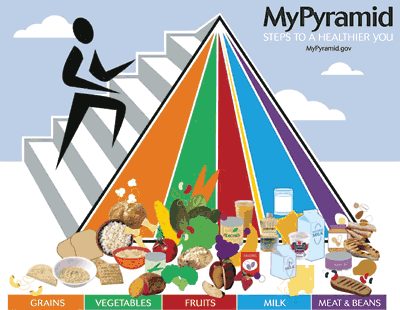
The USDA food pyramid is just a starting point. The real work happens in the details. You need a plan that survives reality. Real life is full of calories. Real life takes time. But if you want consistency, you have to start by tracking what goes in.
Step One: Count Everything
Most people have no idea how much they eat on a normal day. They guess. And they guess wrong.
The first step to a sustainable diet is simple: count. You need to know exactly how many calories you consume in a typical day. You also need to know where they come from. Build a mental database. When you pick up a snack, you should instinctively know its calorie count.
If you buy groceries, look at the label. The FDA requires it. Chain restaurants have to provide this info too, either on-site or online. Use those resources. Stop guessing. Start knowing.
Step Two: Know Your Number
Once you know what you’re eating, you need to know what you need.
Use the “12 calories per pound” rule for a rough estimate. Or, if you’re more precise, look up the specific formulas for your body type. Pick an ideal weight. The one you actually want to maintain. Then calculate the daily calorie limit that keeps you there.
Step Three: The Shocking Gap
Now compare the two numbers.
Your intake. Your limit.
The difference is where the extra pounds are hiding. It’s often startling. You think you’re eating small. You’re actually eating large. Recognizing this gap is the only way to close it.
Step Four: The Daily Limit
Here is the hard truth: 1,600, 1,800, or even 2,000 calories doesn’t feel like much once you start counting everything.
You have to watch. You have to count. Every bite. Every sip. Stick to the limit. If you go over, you undo the work. It’s that binary.
Step Five: Move to Burn
Exercise isn’t magic, but it’s useful. It raises your daily calorie ceiling.
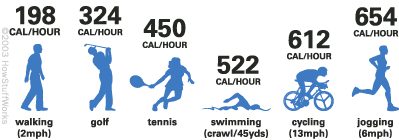
Use an online exercise calculator to see how many calories different activities burn. Burning an extra 250 to 500 calories a day changes the math significantly. It gives you a little more room to breathe. But don’t rely on it to fix a bad diet.
Cutting Calories Without Starving
Reducing intake doesn’t mean eating less volume. It means eating smarter. Here are specific strategies to drop calories without feeling deprived.
Track It or Lose It
Be conscious of every single calorie. Keep a daily journal. Stick an index card in your pocket. Write down everything you eat and drink. No exceptions. The act of writing it down changes your behavior. You stop mindless eating.
Kill the Drink Calories
Eliminate all calories that come from liquid. Drink water.
Beverages are tricky. Cola. Orange juice. Beer. They add up fast. And they don’t fill you up.
Consider this: 10 ounces of orange juice is 140 calories. It does nothing for your appetite. But eating an orange? That’s three wins:
1. Fewer calories.
2. The psychological satisfaction of chewing.
3. Physical fullness. The fiber fills your stomach. Juice goes through. Food stays.
This rule applies to all caloric drinks. The calories enter. Your hunger stays the same. That’s a lose.
Drop the Sugar
Eliminate white sugar. This single move wipes out a massive class of high-calorie snacks.
- Cookies
- Cake
- Ice cream
- Cola
- Candy bars
Refuse foods with lots of sugar. It’s the easiest way to cut out the junk. The aisles become clearer.
Skip the Fryer
Fried foods pack fat into small spaces. They are calorie bombs.
- Potato chips
- Cheese crisps
- French fries
- Onion rings
- Donuts
- Fritters
- Fried chicken
Deep frying adds fat. Fat is dense. Cut out fried foods and sugar together, and you’ve eliminated most high-calorie snacks. Entire sections of the grocery store stop mattering.
Density Matters
Swap high-density foods for low-density ones.
A cookie is high-density. Lots of sugar. Lots of fat. You get 50 to 100 calories in one or two bites. You don’t even notice.
A banana is low-density. It takes many bites. But it’s only 100 calories. You chew. You feel full. You get nutrition.
Choose the banana. Your waistline will thank you.

Why volume matters more than you think
Most of us underestimate how much we can eat before we feel full. Consider the math. You could probably knock back a dozen Oreo-style cookies in one sitting without breaking a sweat. That is roughly 600 calories. Or a dozen SnackWell’s cookies. Same count. Same calories.
Now try eating six bananas at once. You would feel sick. You would literally explode.
The difference isn’t the energy. It is the density. Bananas are low-density foods. They take up space in your stomach without flooding your system with energy. This volume triggers satiety signals that high-density foods skip over entirely.
Focus on foods that have bulk but lack caloric load. Natural fruits and vegetables are obvious starters. They are packed with water and fiber. Non-sugared cereals like shredded wheat work too. So do rice cakes. Unbuttered popcorn fills the mouth and the stomach. Whole-grain bread with high fiber content helps. Brown rice is another solid option.
Avoid the opposite. High-density foods are calorie bombs. They combine sugar and fat in ways that bypass fullness cues. Nuts are healthy but calorie-dense. Most meats pack a heavy punch. Candy and cookies are pure density. Crackers. Potato chips. Fried anything. Cola. Beer. These items should be treated with caution. They do not fill you up. They just add up.
Subtle behavioral cues
Your environment shapes your habits more than you realize. Try wearing form-fitting clothes instead of loose sweats. It sounds simple. It is powerful. Tight clothing acts as a subliminal reminder. Every time the fabric pulls, you remember your goal. You stay aware. You make better choices.
If you stick to these guidelines, the result is predictable. Combine diet with movement. Keep your calorie intake below what you burn. You will lose fat. You will maintain a consistent weight. It is basic physics.
Integrating movement into your routine
Exercise is not just about burning calories. It is about building a lifestyle. You need to increase the total energy you burn daily. Online calculators can help you estimate how many calories specific activities burn. Use them. Know your numbers.
But calculation is only half the battle. Integration is the other half. Fit exercise into your existing life. Do not treat it as a separate event. Treat it as part of the flow.
- Find something you enjoy. Or at least tolerate. Do it daily for 30 minutes. Or 60. Walking counts. Riding an exercise bike while watching TV counts. A gym workout at lunch counts.
- Look for micro-moments. Take the stairs instead of the elevator. Park farther away from store entrances. These small choices accumulate. They add up to significant energy expenditure.
- Keep weights at your desk. Lift them three or four times a day. Use them while thinking. Use them while on the phone. Sedentary time does not have to be static.
- Get a partner. Exercise is harder when you are alone. A partner provides accountability. It turns a chore into a social routine. It makes showing up easier.
- Aim for daily movement. Habits form through repetition. It is easier to remember something if you do it every single day. Consistency beats intensity.
Debunking the Calorie Myth
Let’s get one thing straight immediately: a calorie is a calorie. It doesn’t matter if you get those 4,000 calories from a mountain of white sugar or a slab of butter. The energy count is identical. We’ve been sold a narrative that some foods are “better” because of their source, but thermodynamically, the math doesn’t change. You put energy in; your body uses energy. The source might affect your mood or hunger levels later, but the raw input remains the same.
The Low-Fat Trap
Then there’s the low-fat illusion. Many of us grew up thinking fat was the enemy, so we grabbed those “fat-free” snacks, believing we were making a smart, guilt-free choice. Here is the reality check: removing fat often means adding sugar. A product can have zero grams of fat and still pack a caloric punch that rivals its full-fat counterpart. You aren’t tricking your body by eating processed, sugar-loaded alternatives. You’re just swapping one macronutrient for another without reducing the total energy density. If you think you can eat unlimited amounts of low-fat cookies because they say “zero fat” on the label, you’re walking into a trap. The calories are still there, waiting to be stored.
Passive Devices Don’t Work
Stop buying the gadgets. Acupressure rings, vibrating belts, detox soaps—they are scams. There is no passive way to burn calories. Your body does not burn energy just because you wore a ring or stuck a patch on your skin. Energy expenditure requires work. Metabolism runs on movement, digestion, and basic bodily functions. If a device promised to melt fat while you sat on the couch, it would be rewriting the laws of physics. It doesn’t exist. The only way to burn calories is to burn them through actual exertion or the natural process of keeping your organs running.
The Impossibility of Extreme Speed Loss
Let’s talk about the ads. You’ve seen them. “Lose 54 pounds in 6 weeks without diet or exercise!” It’s a lie. A flat-out falsehood designed to prey on desperation.
Here is the math, stripped of marketing fluff. One pound of fat equals roughly 3,500 calories. To lose 54 pounds, you need to create a deficit of 189,000 calories. Spread over six weeks (42 days), that means a daily deficit of about 4,500 calories.
To achieve a 4,500-calorie burn daily, you would essentially have to eat nothing and run a marathon every single day for six weeks. That is physically impossible for nearly everyone. If you see someone claiming they lost that much weight that fast, they are either dehydrated (losing water weight, which returns instantly) or they are lying. Healthy fat loss is slow. It is boring. It doesn’t make for catchy headlines. If a plan promises rapid, massive results without effort, it is deceptive.
The “Enzyme-Driven” Fantasy
Supplements love to promise an “enzyme-driven fat-burning cycle.” They’ll toss in terms like “apple pectin” or “nettle seeds” and claim these ingredients ignite a 24/7 calorie-burning furnace. They don’t. There is no magic pill that overrides your biology. Digestion is a complex process, but it doesn’t turn your body into a furnace just because you swallowed a specific seed. These claims prey on our desire for shortcuts. They exploit the gap between what we want to happen and what actually happens in human physiology.
The Only Truth Left
So, what is left? The unglamorous truth. To lose weight, you must consume fewer calories than you burn.
This isn’t complicated, but it is hard. It’s not about finding the perfect diet or the right pill. It’s about energy balance. Some people burn more calories naturally than others—just like some people are taller or have different hair textures. Your body is unique. You need to figure out your baseline. How many calories does your body burn in a typical day? Then, eat slightly less than that number. Or, move more. Or, do a combination of both.
It’s a mental game. The psychology of food is powerful. We eat when we’re stressed, bored, or sad. We crave comfort. Acknowledging that you are playing a mental game is half the battle. You have to respect the rules of thermodynamics while navigating the complexities of human emotion. There is no hack. No secret. Just consistent, mindful choices.
If you want to dig deeper into the mechanics of your body, there are resources available on how calories work, how fat cells function, and how different foods interact with your metabolism. Understanding the machinery helps you drive it better. But remember, the engine doesn’t run on hope. It runs on fuel and movement. Keep that in mind when the next miracle cure pops up on your feed.