Building targeted muscle requires more than just lifting weights; it requires a strategic approach to how those weights are moved. The WH+ 6-Week Glute Gains Workout Plan, designed by Certified Personal Trainer Sandy Brockman, is built on the principle of intentionality—moving away from random exercise selection toward a structured, science-based progression.
The Core Principles of Muscle Hypertrophy
To see real results in a six-week window, the program relies on two fundamental pillars of strength training: progressive overload and mechanical tension.
- Progressive Overload: This is the practice of gradually increasing the stress placed upon the body. To trigger muscle growth, you must consistently increase the weight, frequency, or number of repetitions over time. If a workout feels easy, the stimulus is likely too low to force the muscles to adapt and grow.
- Intensity Management: Success lies in the “difficult but doable” zone. Each set should push you close to your physical limit, ensuring the final repetitions are challenging while maintaining strict technical proficiency.
Prioritizing Form and Mobility
A common pitfall in lower-body training is compensatory movement, where the body uses larger or secondary muscles (like the quads or hamstrings) to complete a lift because the target muscle is underactive.
The program mitigates this risk through a tiered approach:
1. Technical Foundation: The early weeks utilize higher repetitions and lighter loads. This allows the trainee to “dial in” movement patterns before adding heavy resistance.
2. Corrective Integration: The included warm-ups and corrective exercises are not optional extras. They are designed to improve hip flexor mobility, which is often a bottleneck for glute activation. Better mobility allows for a greater range of motion, which is essential for full muscle recruitment.
The Three Pillars of the Weekly Routine
The program is divided into three distinct training sessions, each targeting different aspects of gluteal function and aesthetics.
1. The Strength Foundation (Squat-Focused)
This session focuses on heavy, compound movements like back squats and Bulgarian split squats. These exercises are designed to build raw strength and address muscle imbalances, ensuring both sides of the lower body develop symmetrically.
2. Sculpting and Stability (Glute Medius Burnout)
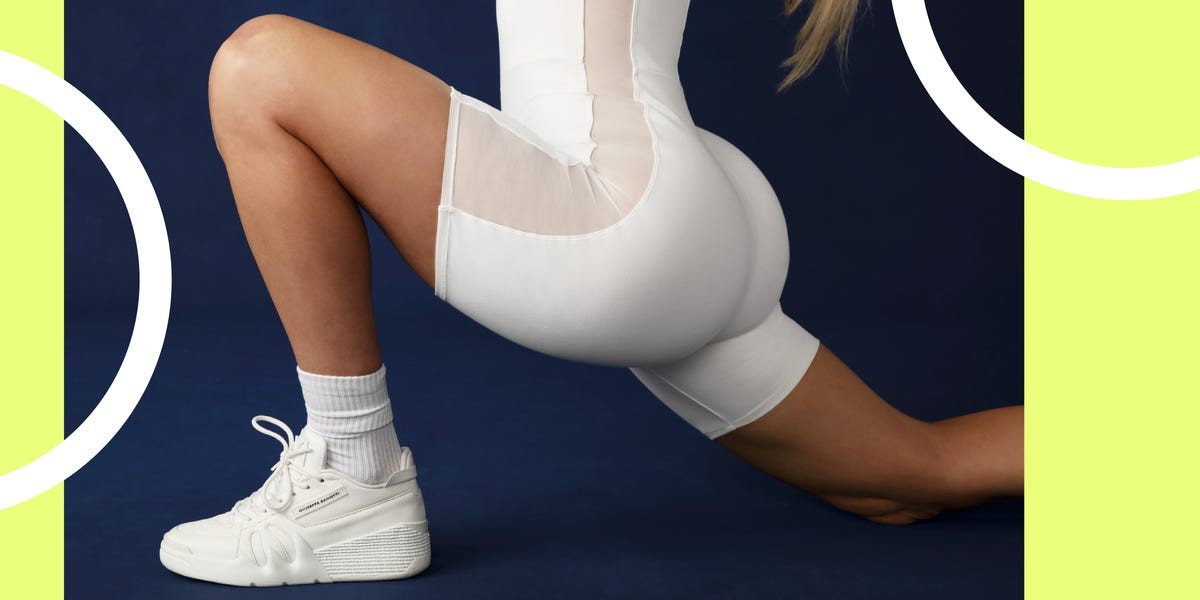
While many focus solely on the “gluteus maximus” (the largest part of the muscle), this workout targets the gluteus medius. By utilizing lateral lunges and single-leg movements, this session emphasizes:
* Lateral Movement: Essential for creating an athletic, well-rounded shape.
* Stabilization: Strengthening the smaller muscles that keep the hips stable during movement.
3. Maximum Activation (The Hip Thrust Session)
Widely regarded by professionals as the “king” of glute exercises, the hip thrust is the centerpiece of this workout. By focusing on hip extension and a hard squeeze at the top of the movement, this session is specifically designed to “wake up” dormant muscle fibers that may not be fully engaged during standard squats.
Summary: Success with this program depends on moving from foundational form to heavy, progressive lifting, while using specialized movements to ensure the glutes—rather than the surrounding muscles—do the work.