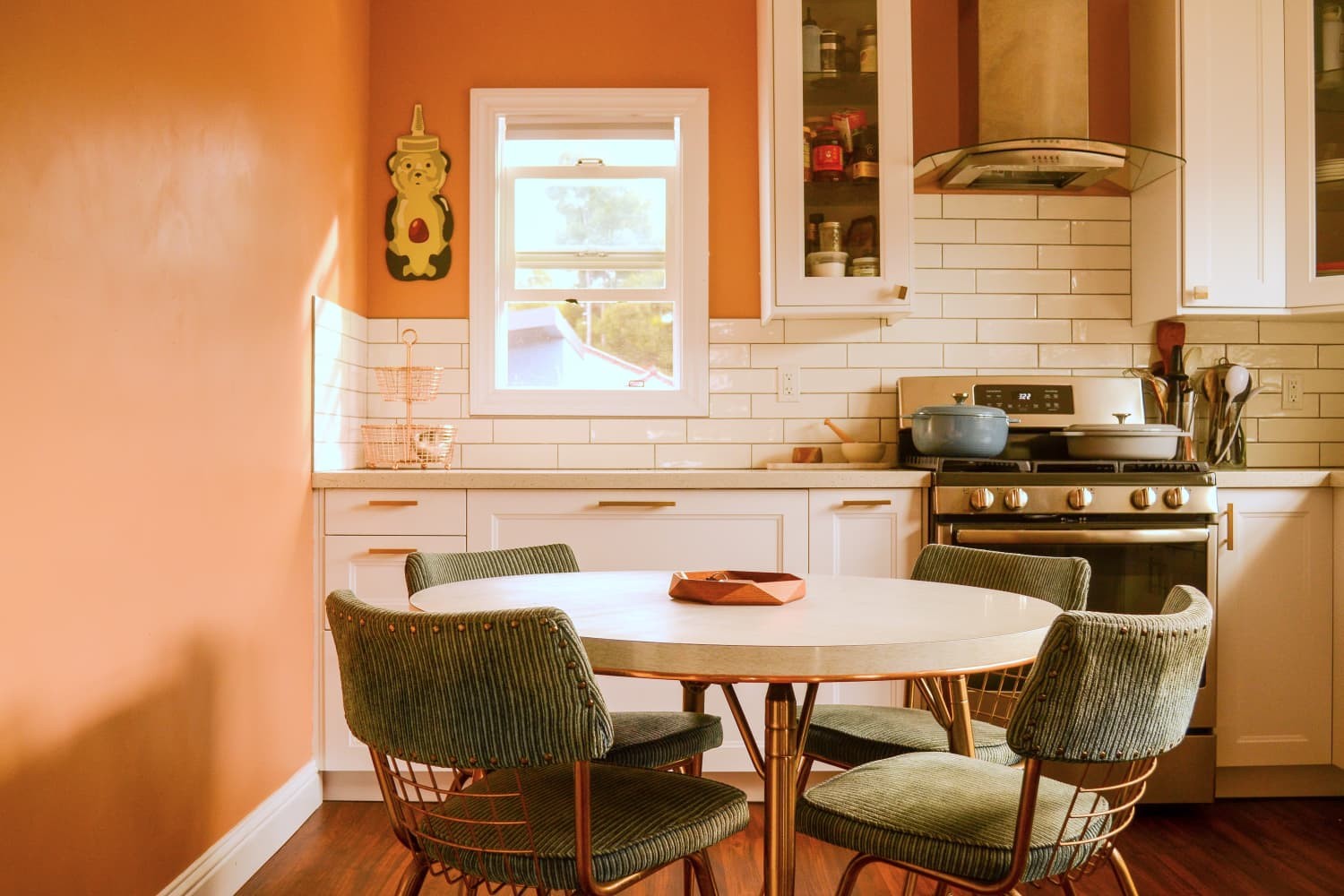
The kitchen is often the heart of the home—the primary gathering spot for meals, conversation, and connection. However, for those living in apartments or homes with compact layouts, finding a dining solution that balances functionality with a welcoming atmosphere can be a significant challenge.
Selecting the right furniture in a small space isn’t just about aesthetics; it is about spatial geometry and flow. A table that is too large can obstruct movement, while one that is too small can feel impractical for daily use.
Strategic Dimensions for Small Kitchens
When working with limited square footage, your search must be guided by specific measurements to ensure the table remains a utility rather than an obstacle. To maintain a comfortable flow in a small room, consider these general guidelines:
- Round Tables: Aim for a diameter of no more than 42 inches. This size is ideal for small spaces as it lacks sharp corners, making it easier to navigate around, and can comfortably seat up to four people.
- Rectangular Tables: To avoid overwhelming the room, look for lengths under 48 inches. This allows for a four-person seating arrangement without encroaching too heavily on the surrounding walkways.
Versatility Through Adaptive Design
One of the most effective ways to manage a small footprint is to choose furniture that adapts to your immediate needs. This is particularly useful for those who enjoy hosting guests but lack the permanent space for a large dining set.
Drop-leaf and extendable tables are the premier solution for this dilemma. These designs allow you to:
– Keep the table compact for daily breakfasts or solo meals.
– Expand the surface area when entertaining, providing extra room for guests without sacrificing permanent floor space.
Style Without Compromise
A common misconception is that space-saving furniture must be utilitarian or visually “plain.” In reality, the market offers a vast array of compact designs that cater to diverse interior aesthetics. You can maintain your home’s unique character by selecting small-scale pieces in various styles:
- Mid-Century Modern: Often characterized by tapered legs and clean lines that create a sense of lightness.
- Modern Pedestal: A pedestal base is a strategic choice for small spaces because it eliminates table legs, providing more legroom and making the area feel less cluttered.
- Farmhouse Chic: Compact rustic pieces can add warmth and texture to a cozy, smaller kitchen.
The Bottom Line: Choosing a small kitchen table is a balancing act between mathematical precision and personal style. By prioritizing smart dimensions and versatile designs, you can create a functional dining area that enhances, rather than hinders, your living space.