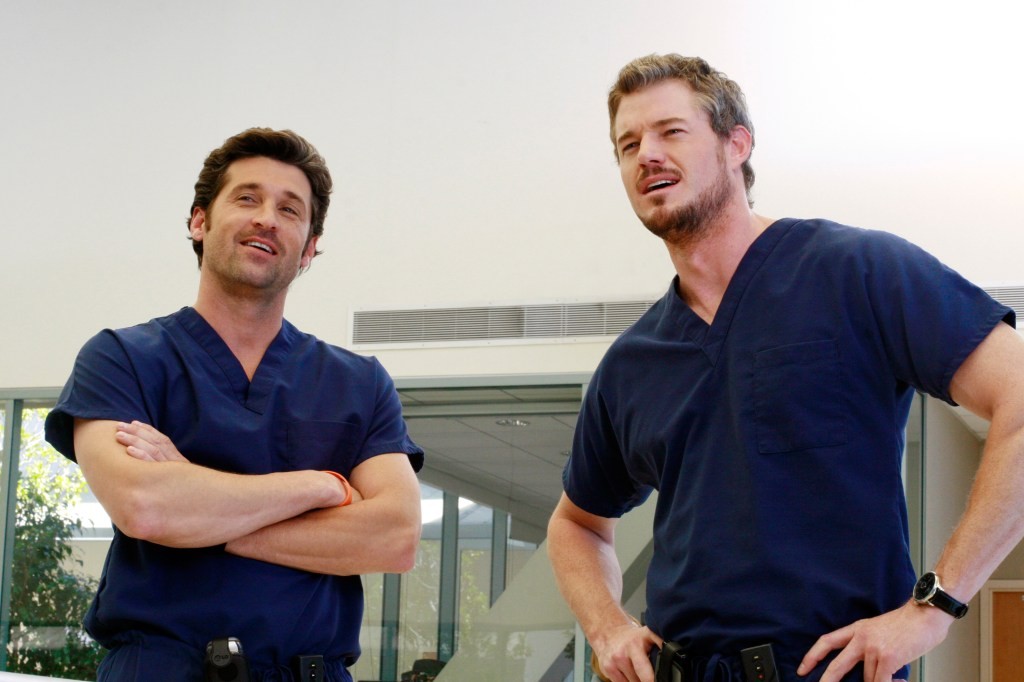
Patrick Dempsey, a longtime co-star of the late Eric Dane, recently shared poignant details about the actor’s final weeks before succumbing to amyotrophic lateral sclerosis (ALS) at the age of 53. Dempsey’s account highlights the rapid deterioration caused by the disease and the profound impact on Dane’s quality of life.
Deteriorating Health in Final Weeks
In a recent interview, Dempsey revealed that he had been in contact with Dane just a week before his passing, noting the actor’s increasing inability to speak. Friends who visited Dane during this time observed his condition had worsened significantly, with severe difficulty swallowing and being largely bedridden. This underscores the cruel reality of ALS, a progressive neurodegenerative disease that strips away physical function while leaving cognitive awareness intact.
A Fond Remembrance of Dane’s Spirit
Despite the tragic circumstances, Dempsey emphasized Dane’s enduring sense of humor and joyful presence on set. He described Dane as a magnetic personality who effortlessly brought levity to every scene, recalling a memorable first encounter where the actor playfully flaunted his physique. This anecdote illustrates Dane’s charismatic nature, which made him a beloved figure among colleagues.
Family and Advocacy Amidst Suffering
Dane’s representatives confirmed that he spent his last days surrounded by his wife, Rebecca Gayheart, and their daughters, Billie and Georgia. The statement also noted his dedication to raising awareness for ALS, turning his own struggle into a platform for research and advocacy. This reflects a broader pattern: ALS patients often use their visibility to push for funding and recognition of the disease, which currently lacks a cure.
“Eric adored his fans and is forever grateful for the outpouring of love and support he’s received.”
The family has requested privacy during this difficult time, but the public outpouring of grief demonstrates the actor’s lasting impact. Eric Dane’s passing serves as a stark reminder of ALS’s devastating progression, yet his advocacy leaves a legacy of hope for future research.