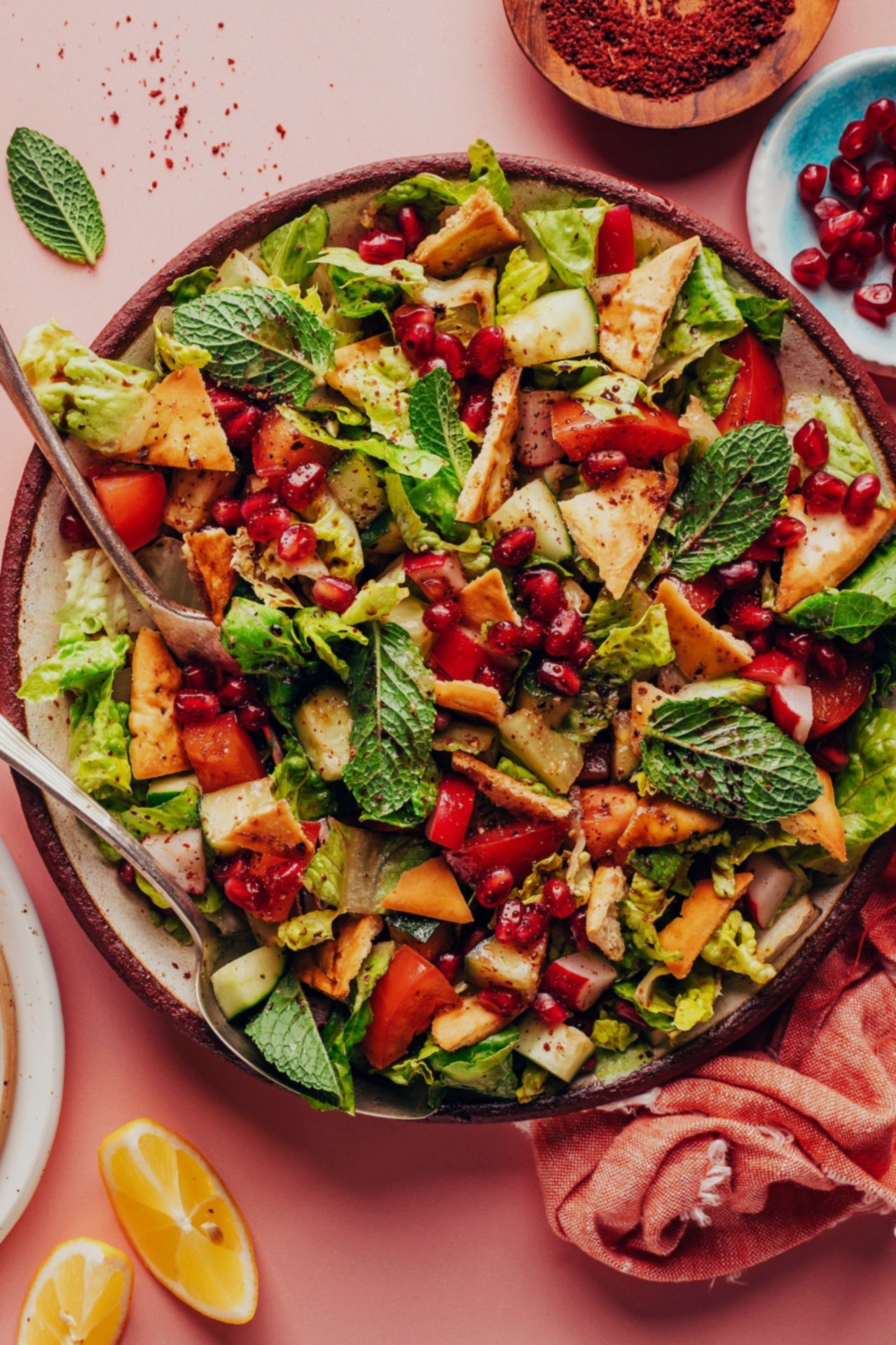
Fattoush is more than just a salad; it is a culinary staple of the Levant, a region encompassing the Eastern Mediterranean. Traditionally, it is a vibrant dish that balances fresh, crisp vegetables with the tangy depth of sumac and pomegranate, all anchored by the satisfying crunch of toasted flatbread. While traditional preparations can be time-intensive, this streamlined approach captures the essence of the classic dish in a single bowl, ready in just 20 minutes.
This version is designed for modern weeknight dining without sacrificing authenticity. It delivers a burst of fresh flavors—mint, citrus, and tart berries—making it an ideal side for Mediterranean mains or a light, protein-packed meal when paired with chickpeas.
Understanding the Flavors of Fattoush
At its core, fattoush is defined by its texture and its dressing. The dish originates from countries such as Lebanon, Syria, Jordan, and Palestine. Key characteristics include:
- The Bread: Traditionally made with leftover toasted or fried flatbread (pita), which absorbs the dressing while retaining some crunch.
- The Dressing: A bright, acidic blend typically featuring sumac (a deep red spice with a lemony flavor) and pomegranate molasses (a thick, tart syrup).
- The Greens: A mix of fresh, crisp vegetables and herbs, often including romaine, cucumbers, tomatoes, radishes, and mint.
This recipe simplifies the process by using a “no-mix” dressing method, tossing the ingredients directly in the bowl to ensure every bite is coated in flavor.
Ingredients and Preparation
The beauty of this salad lies in its simplicity. It relies on high-quality, fresh ingredients to shine.
The Base
* Greens: 3 cups of chopped romaine lettuce provide a neutral, crunchy foundation. Other crisp greens can be substituted.
* Vegetables: 2 cups of mixed crunchy vegetables. Ideal choices include Persian or Lebanese cucumbers (for better flavor and less water content), chopped tomatoes, and sliced radishes.
The Dressing
The dressing is tossed directly with the vegetables to meld the flavors:
* 1 tbsp lemon juice
* 1 tbsp pomegranate molasses (or balsamic vinegar as a non-traditional substitute)
* ¾ tsp ground sumac
* A pinch of sea salt and black pepper
* Optional: ½ tsp maple syrup (if using unsweetened pomegranate molasses) and a drizzle of high-quality extra virgin olive oil.
The Toppings
Added just before serving to maintain texture:
* Fresh Mint: ⅓ cup loosely packed leaves, kept whole for visual appeal and fresh aroma.
* Pita Chips: 1 ½ cups of slightly crushed pita chips. Store-bought gluten-free options work well, or see below for homemade instructions.
* Pomegranate Arils: ¼ cup for a sweet-tart crunch. Sliced strawberries can substitute when pomegranates are out of season.
* Chickpeas (Optional): One 15-oz can, drained and rinsed, to transform the salad into a hearty entrée.
How to Make Homemade Pita Chips
While store-bought chips offer convenience, making them at home is easy and allows for better control over ingredients. This method also helps use up day-old pita bread.
- Prep: Preheat oven to 350°F (180°C). Line a baking sheet with parchment paper.
- Cut: Cut 1 ½ cups of pita bread into small triangles (approx. ½-inch wide). Separate any layers to ensure single-layer chips.
- Season: Drizzle with 1 ½ tbsp olive oil. Sprinkle with ½ tsp dried oregano (optional), ½ tsp ground sumac (optional), and ¼ tsp sea salt. Toss to coat evenly.
- Bake: Arrange in a single layer. Bake for 8–12 minutes until edges are lightly browned and crisp. Note: Watch closely after 8 minutes to prevent burning.
- Cool: Let cool on the pan to crisp up further before adding to the salad.
Assembly and Serving
- In a large mixing bowl or serving platter, combine the romaine lettuce and chopped vegetables.
- Add the lemon juice, pomegranate molasses, sumac, salt, and pepper. Toss thoroughly until the vegetables are evenly coated.
- Taste and adjust seasoning. Add maple syrup if more sweetness is needed, or more lemon juice for brightness.
- Garnish with fresh mint leaves, pita chips, and pomegranate arils. Add chickpeas if serving as a main dish.
- Serve immediately. The pita chips will become soggy if left to sit in the dressing for too long.
Storage and Tips
- Best Fresh: This salad is best enjoyed immediately after assembly.
- Leftovers: If storing leftovers, keep the dressing, pita chips, and fresh herbs separate from the dressed vegetables. Store in airtight containers for up to 2–3 days.
- Not Freezer Friendly: The high water content of the vegetables and the texture of the bread make this salad unsuitable for freezing.
- Cucumber Choice: Persian or Lebanese cucumbers are preferred for their thinner skin and fewer seeds, which contribute to a better texture and flavor profile.
“The key to a great fattoush is balance: the tartness of the sumac and pomegranate must complement the freshness of the herbs and the crunch of the bread.”
This easy fattoush salad offers a quick, nutritious, and flavorful way to bring Levantine cuisine to the weeknight table. Whether enjoyed as a refreshing side or a light meal, its bright flavors and satisfying textures make it a versatile addition to any menu.