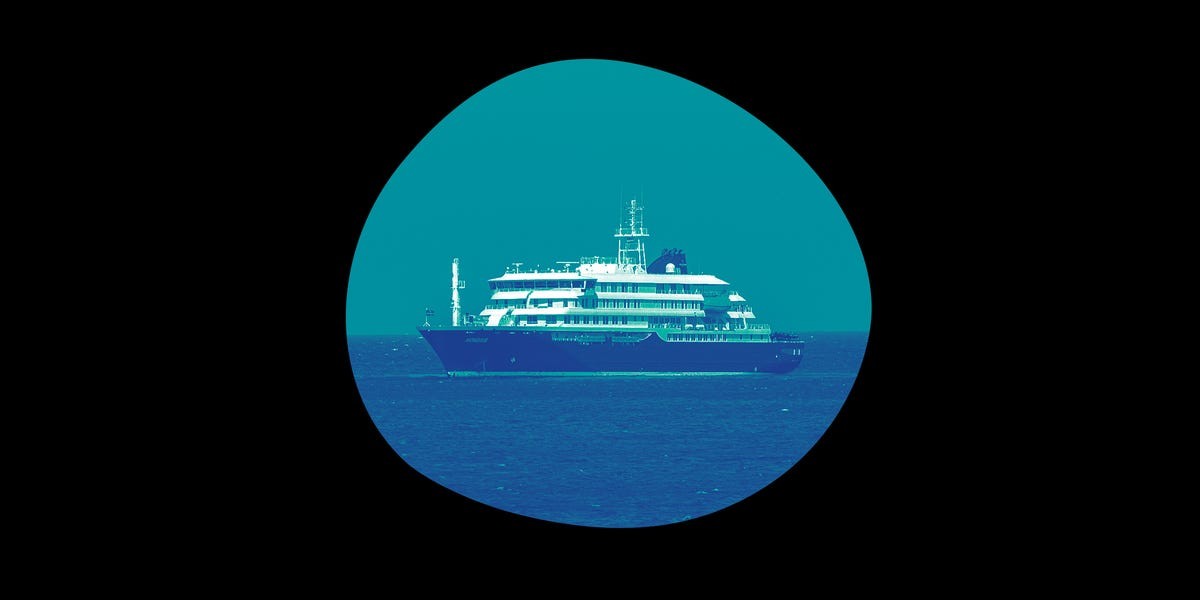
A suspected outbreak of hantavirus aboard the cruise ship MV Hondius has resulted in three deaths and raised urgent questions about disease transmission in confined spaces. The vessel, operated by Oceanwide Expeditions, was recently denied entry to Cape Verde, leaving passengers and crew stranded while health officials investigate the cluster of illnesses.
While only one case has been officially confirmed as hantavirus so far, the severity of the symptoms and the geographic context suggest a serious infectious event. Experts emphasize that while hantavirus is lethal in some cases, it is not currently posing a pandemic threat to the general public. However, the incident highlights the complex challenges of diagnosing and containing rodent-borne viruses in international travel settings.
The Timeline of Illness and Death
Oceanwide Expeditions released a detailed timeline of events, revealing a pattern of severe illness and fatalities over several weeks. The situation remains fluid, with medical outcomes still unfolding.
- April 11: A Danish passenger died onboard the ship.
- April 24: The deceased passenger’s wife was disembarked. She subsequently fell ill during travel and died, though it is not yet confirmed if her death is linked to hantavirus.
- April 27: A British passenger fell critically ill and was evacuated to South Africa. This individual is currently in the ICU and is the only confirmed case of hantavirus linked to the outbreak.
- May 2: A German passenger died onboard; the cause of death has not yet been established.
- Current Status: Two crew members are suffering from acute respiratory symptoms. One is in mild condition, while the other is severe and requires urgent care. Three additional passengers are reported sick, with two in serious condition.
The denial of port entry in Cape Verde underscores the caution exercised by international health authorities. By preventing disembarkation, officials aim to contain potential exposure and allow for thorough medical screening before the ship can dock safely.
Understanding Hantavirus: Old World vs. New World
Hantavirus is not a single entity but a family of viruses that vary significantly by geography and severity. Understanding the distinction between “Old World” and “New World” strains is critical to assessing the risk.
1. New World Hantavirus
- Geography: Primarily found in the Americas.
- Primary Effect: Causes Hantavirus Pulmonary Syndrome (HPS), a severe respiratory infection.
- Severity: High mortality rate, estimated between 35% and 50%.
- Recent Context: This strain was recently in the news following the death of actress Betsy Arakawa in 2025. Experts suggest that based on the respiratory complications seen on the MV Hondius, a New World strain is a likely candidate, though this has not been definitively proven.
2. Old World Hantavirus
- Geography: Primarily found in Europe and Asia.
- Primary Effect: Causes Hemorrhagic Fever with Renal Syndrome (HFRS), leading to kidney damage and bleeding issues (such as nosebleeds or gastrointestinal bleeding).
- Severity: Lower mortality rate, estimated between 5% and 15%.
Key Insight: “It is a very sneaky virus,” notes Dr. William Schaffner, an infectious disease specialist at Vanderbilt University. Early symptoms are non-specific—fever, fatigue, muscle aches, and headaches—making early diagnosis difficult. The disease can progress rapidly from mild flu-like symptoms to critical failure of the lungs or kidneys.
How Does It Spread?
The transmission dynamics of hantavirus are distinct from respiratory viruses like influenza or COVID-19.
- Primary Source: Rodents. Humans typically contract the virus by inhaling aerosolized urine, feces, or saliva from infected rodents, often during cleaning activities.
- Secondary Sources: Less commonly, transmission occurs through rodent bites or scratches.
- Incubation Period: The virus can remain dormant for one to six weeks after exposure, complicating the tracking of infection sources.
The Person-to-Person Question
A major concern in any outbreak is human-to-human transmission. Experts clarify that hantavirus is not generally contagious between people.
- General Rule: Person-to-person spread is extremely rare.
- The Exception: The Andes virus (a New World strain) has shown limited capacity for human transmission in specific, close-contact scenarios.
- Expert Consensus: Dr. Amesh Adalja of the Johns Hopkins Center for Health Security notes, “Almost all cases are related to rodent exposure.” Unless there is evidence of prolonged, close contact with an infected individual (particularly if the Andes virus is involved), the risk to other passengers from each other is low.
How Did Passengers Get Infected?
The presence of hantavirus on a modern cruise ship presents a logistical puzzle. Dr. William Schaffner suggests that while rodents on board are possible, it is “somewhat less likely” given the rigorous hygiene standards of modern vessels.
A more plausible theory is land-based exposure. The MV Hondius made several stopovers prior to the outbreak. Passengers may have contracted the virus in a port city with active rodent populations and developed symptoms weeks later, consistent with the long incubation period.
Dr. Thomas Russo of the University at Buffalo adds that if no common offshore exposure is identified, investigators must look closer at the possibility of rare person-to-person transmission or multiple independent infections. Currently, with only one confirmed case, it is also possible that other passengers are suffering from different illnesses.
Treatment and Outlook
There is no specific antiviral medication for hantavirus. Treatment is entirely supportive, focusing on managing symptoms and organ failure:
- Respiratory Support: Patients with lung involvement may require intubation and oxygen therapy.
- Kidney Support: Those with renal damage may need dialysis.
- General Care: Hydration, rest, and monitoring are critical.
Despite the severity of the cases on the MV Hondius, medical experts are not alarmed about a broader outbreak. Dr. Adalja states clearly: “This cruise ship does not pose a risk to the general public.” Unlike airborne pathogens that drive pandemics, hantavirus requires specific exposure to rodents. Dr. Russo concludes that this event will likely remain a localized “mini-outbreak” rather than evolving into a global health crisis.
Conclusion
The hantavirus cluster on the MV Hondius serves as a stark reminder of the hidden dangers of zoonotic diseases in global travel. While the mortality rate is high for those infected, the virus does not spread easily between humans, limiting its potential for widespread panic. The current focus remains on isolating affected individuals, confirming diagnoses, and ensuring that the ship’s hygiene protocols are reviewed to prevent future incidents. For the general public, the risk remains negligible unless there is direct contact with infected rodents.