Let’s be honest. You spend twenty minutes in front of the mirror at 7:00 AM. You look fresh. You look awake. You look like you actually got eight hours of sleep, even though you definitely didn’t.
Then comes 1:00 PM.
You catch your reflection in a dark window or a polished microwave door. Disaster. Eyeliner has migrated to your cheekbone. Eyeshadow has creased into a dark line. Your lipstick has vanished onto the rim of your coffee mug.
In a perfect world, you’d retreat to the office bathroom, wash your face, and start over. In the real world, you have three minutes under fluorescent lights that make everyone look sickly. You just want to look human again by 2:00 PM.
So how do you stop your makeup from melting off your face by midday? And what are the actual steps to keep it from sliding off?
There is no magic spell. There is no single product that guarantees a flawless eight-hour shift. But there are smarter ways to apply your products so you only need one quick touch-up later.
Start with Skin Prep and Primer
You can’t build a house on a swamp. You can’t build a long-lasting makeup look on dry, flaky, or unprepped skin.
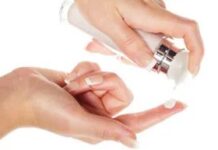
Start with a clean face. Then moisturize. If your skin is dry, go for a hydrating cream. If you’re oily, a lightweight lotion works.
Next comes the step most people skip: primer.
Primer isn’t just marketing fluff. It creates a barrier between your skin’s natural oils and your foundation. It gives your makeup something to grip onto. Think of it as double-sided tape for your face.
Choose Foundation for Your Skin Type
Now for the base. The rule here is simple: less is more.
Heavy layers of foundation are prone to cracking, caking, and sliding. They also make touch-ups a nightmare because you have to blend new product into old, thick layers.
Match your formula to your skin type:
- Dry skin: Use a cream or liquid foundation. These add moisture and sit naturally on the skin.
- Oily skin: Use an oil-free liquid or a powder foundation. These help absorb excess shine.
Apply it in thin layers. Build coverage only where you need it. If you need more, add another thin layer. Don’t try to achieve full coverage in one heavy swipe.
Finish your face with a translucent powder to set the foundation. This locks it in place. If you use blush, apply it now.
Eye Makeup That Won’t Crease
Eyes are the first place to show fatigue. Dark circles. Creased shadow. Smudged liner.
To keep eye color intact, you need a base.
You can buy a specific eye shadow primer. Or, in a pinch, use a thin layer of your face foundation. Let it dry completely before adding color.
When you choose your shadow, stick to neutral tones. Dark colors show every crease and smear. Neutral shades hide mistakes better.
For eyeliner and mascara, water is your enemy.
- Use waterproof eyeliner. Regular liner will run if you sweat or cry.
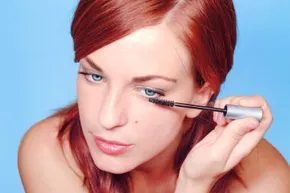
- Use waterproof mascara. Apply only one coat. Maybe two. If you apply too much, it clumps. Clumps flake. Flakes fall on your cheeks. Nobody wants that.
Set Your Lips for Longevity
Lip color is notoriously fugitive. It transfers. It fades. It disappears into the cracks of your lips.
Here is a trick to make it last:
- Line your lips with a neutral lip liner.
- Blot the liner with a tissue.
- Dust a tiny amount of translucent powder over the liner.
- Apply your long-lasting lipstick or gloss on top.
The powder sets the base. The lipstick sits on top. The result? Color that stays put through lunch and maybe even dinner.
The Touch-Up Strategy
Even with the best application, makeup will degrade. Sweat. Oil. Friction from masks or phone screens.
You don’t need your entire vanity kit to fix this.
Carry a small palette in your bag. Just the essentials. A pressed powder for shine. A lip color that matches your lipstick. Maybe a small brush for eye touch-ups.
If your eyeliner smears, don’t try to redraw it perfectly. Just blend it out. Use a clean spoolie or a cotton swab to soften the edges. It looks more natural than a thick, corrected line.
For lips, blot away the old color. Reapply liner. Reapply gloss. You don’t need full coverage again. Just refresh the color.
Permanent Makeup: The Permanent Option
What if you could skip the morning routine entirely?
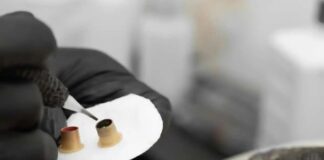
There is a growing trend called permanent makeup, also known as cosmetic tattooing.
It’s exactly what it sounds like. A technician uses a needle to inject pigment into the upper layers of your skin. The results can last for years.
Popular options include:
- Permanent eyebrows: Fill in sparse areas. Define the arch. No more filling in gaps every morning.
- Lip liner and color: Define the shape. Add subtle tint. Your lips always look finished.
- Permanent eyeliner: A thin line along the lash line. No more smudged wings.
It’s not without risks.
This is a medical procedure. You are breaking the skin.
You must use a licensed practitioner. Check their credentials. Ensure they work in a clean environment with sterilized equipment. Infection is a real risk if protocols aren’t followed.
Also, consider the long-term changes in your face. As you age, your skin sags. Your bone structure changes. A tattoo that looks perfect at 30 might look odd at 50. The contours of your face will shift. The pigment will fade and spread slightly.
Permanent makeup is a commitment. It’s not a trial run.
The Bottom Line
There is no single product that makes makeup last forever. But there are strategies.
Prep your skin. Prime it. Use the right formula for your skin type. Set it with powder. Use waterproof products for eyes. Set your lips with powder.
Carry minimal touch-up supplies. Fix only what’s broken.
And if you’re willing to invest time and money upfront, permanent makeup might save you those three minutes in the office bathroom. But check the credentials. And remember, faces change over time.
So what’s your biggest makeup struggle? Smudged liner? Fading lipstick? The battle is real. But with the right steps, you can win it. At least until the next coffee mug incident.
The Art of the Minimal Touch-Up
If you applied your base carefully in the morning, you shouldn’t need to layer on more than one additional coat of foundation by nightfall. Adding more just clogs pores. It creates that heavy, mask-like finish that screams “I’m trying too hard.” And we all know it looks off.
Before you even think about adding product, reach for face-blotting papers. This is the first step in any proper makeup touch-up routine. These sheets lift excess oil without disturbing what you’ve already put on. Once the shine is gone, check your reflection. If your foundation looks thin in spots, pat it back on with a sponge. Only fill in the bare patches. Don’t blanket the whole face. You want to look like you have good skin, not like you’re wearing a second skin.
Blush follows the same rule. A natural flush comes from one application. Reapplying blush mid-day usually results in a clownish, reddish haze. Skip it unless you’re truly pale. Then, dust your entire face with a light layer of translucent powder. This resets the makeup and absorbs remaining oil. Leave a little shine. It looks human.
When you’re rushing? Skip the face powder. Go straight to the eyes. They are the first thing people notice. If your shadow has creased or your liner has smudged on the lower lid, wipe it away with a cotton swab or tissue. If you need to fix the liner, use a damp angled brush with powder shadow. It blends better than re-drawing with a pencil. Add shadow only to even out the color. Stop there. Do not add more mascara. It will clump and flake. If you must touch up, one coat is the limit.
Then, the lips. This is the one area that demands a redo. No trick in the book can make lipstick last through a meal without some fading. Keep your lips hydrated with balm. Reapply lipstick or gloss as needed. If you wear an all-day wear formula, you likely only need gloss on top.
These tips assume your products are still good. Because if your makeup has expired, none of this matters. Nothing will stay put.
Sunscreen Strategy for the Day
Thinking about your skin’s future? Sunscreen is the real MVP. For indoor days, one or two applications in the morning is enough. But if you’re stepping outside, reapply every two hours. Especially if you burn easily.
How do you reapply without looking like a grease ball? Use a powder with SPF. It cuts shine while boosting protection. If you’re outdoors for long stretches, simplify your routine. Stick to sunscreen, waterproof mascara, and a lipstick with SPF 15 or higher. Less is more when the sun is up.
When to Toss the Tube
We buy the good stuff. We hope it lasts. But makeup doesn’t expire like food. There’s no clear “use by” date that’s a hard rule. The date on the package is just a benchmark. Shelf life depends on storage and usage.
Store makeup in tight containers. Keep them cool. Use clean brushes, not fingers. Your products might last years past the printed date. Leave them in a hot car or dip your fingers in them? They’ll spoil in weeks. Heat kills preservatives. Fingers introduce bacteria.
Storage is everything. You don’t want to waste money on spoiled products. Here is the golden rule: never share makeup. Every person who touches it increases the bacterial load. Keep containers closed. Keep them away from direct sunlight. Never add liquids like water or mineral oil unless the manufacturer says so.
Watch for changes. If foundation separates badly. If mascara hardens or clumps. If it smells off. Toss it.
Going-Bad Guidelines
Proper storage buys time. But every product has a limit.
- Mascara and liquid eyeliners: Go bad within three months of opening.
- Liquid foundation: About six months.
- Lipstick: Typically lasts one year.
- Blush, face powder, powder eyeshadow: Can last up to two years if cared for properly.
Take care of your products. Take care of your skin. Apply with time. You won’t have to worry about the fallout.