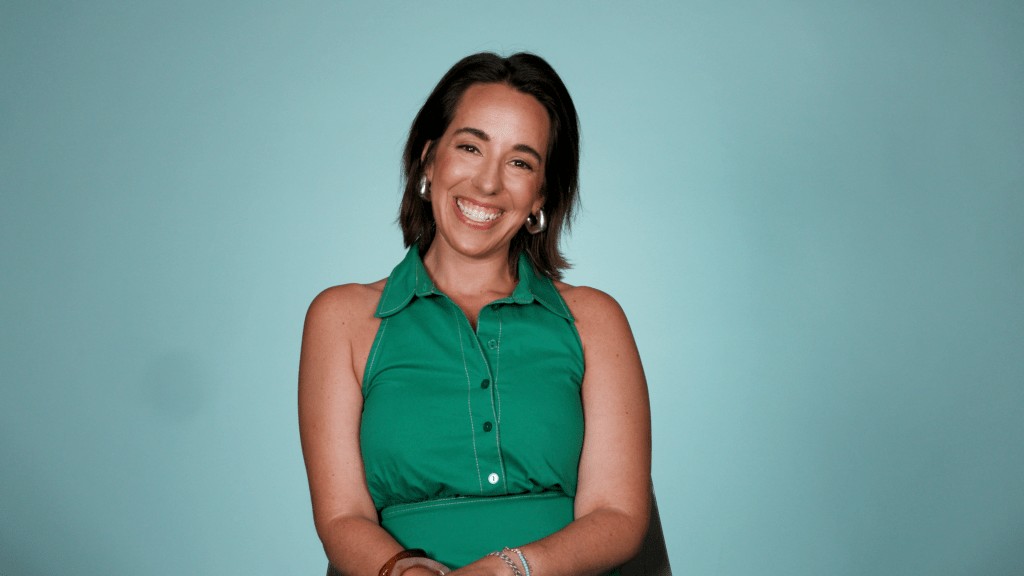
Katie Rabinowitz doesn’t let a stage 4 breast cancer diagnosis dictate her entire existence. It’s one part of her life. Not the whole story.
She is a sister. A daughter. A dog owner. A runner. A person with a serious illness.
People see the cancer first. That’s how it often goes. But Rabinowitz refuses to let that label consume her narrative.
“I think so many people have cancer… and that becomes what people see,” she explains. “It doesn’t dictate everything.”
Redefining strength after a stage 4 diagnosis
Before the cancer, Rabinowitz thought strength meant power. Pushing through the pain. Ignoring limits.
The diagnosis changed that.
Her journey started with stage 0 breast cancer in 21. Then stage 4 in 2023.
These events shifted how she views her own body.
“Strength to me now means advocating for myself,” Rabinowitz says. It’s about knowing when to say no. It’s about showing up for friends and family when you’re exhausted. It’s recognizing your physical limits.
True strength isn’t just brute force.
It’s listening to what your body needs.
The goal: just show up at the Philadelphia Marathon
This November, Rabinowitz signed up for the Philadelphia Marathon.
Most people sign up to finish. To chase a time. To cross that line with arms raised.
Rabinowitz had a different metric.
Her main goal? Getting to the starting line.
“Showing up… that’s strength in and of itself,” she says.
If she quits halfway through? Admitting that is also strong.
It’s not about the clock. It’s about the choice to begin.
Living fully with an underlying health issue
The video featuring Rabinowitz highlights this shift in perspective.
From stage 0 to stage 4. From running for fitness to running for presence.
Movement becomes something else entirely. Less about performance. More about presence.
She challenges the idea that illness removes identity.
Cancer is part of her life.
It’s not all of her life.
The content here is independently created by SHE Media. Funding was provided by Novartis Pharmaceuticals. This story is for US audiences.
Why do we only see the sickness?
Why not the sister? The runner? The person who signs up for a marathon regardless of the outcome?
That’s the real point.