This isn’t just another shrimp skillet. It’s better. The secret isn’t the shrimp itself. It’s what you do with the sausage.
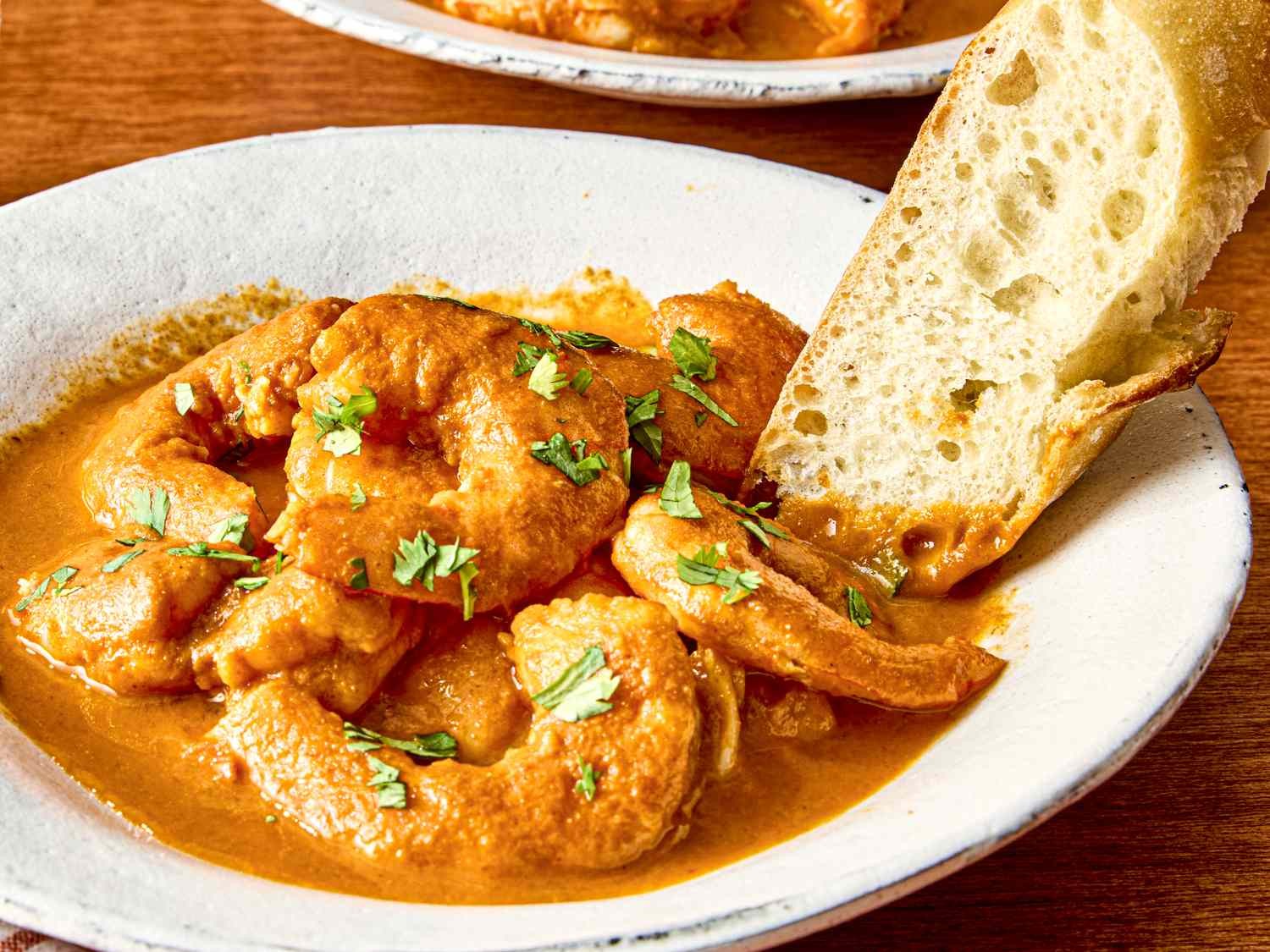
Most recipes tell you to slice up Spanish chorizo and cook it alongside the seafood. Boring. Here, the sausage disappears. Simmered with tomatoes, garlic, and chipotles. Blended into a silky, dark-red sauce that coats every single piece of shellfish.
I learned this trick years ago working at Charlie Palmer’s restaurant in the Joule Hotel, Dallas. The kitchen version was fancy. Too fancy for a Tuesday. But the flavor logic stuck. Sweet shrimp meets smoky, fermented pork. It’s a match made in heaven. Especially when the chorizo becomes the soul of the dish rather than just a garnish.
Why Spanish Chorizo Makes the Best Base
You can’t use Mexican chorizo for this. Get that straight. You need Spanish-style chorizo. It’s cured. Fermented. Harder texture. Deep flavor.
Mexican chorizo is raw meat in a casing. Spanish chorizo is already cooked, dried, and packed with smoked paprika. When it heats up, that paprika-rich fat renders out. That fat is the foundation. It’s the glue.
Onions and garlic soften in it. Tomatoes bring sweetness. Chipotles in adobo add that specific smoky heat that cuts through the richness. A splash of white wine deglazes the pan, lifting all those browned bits of flavor. Stock reduces it all down.
Then comes the magic step. The blender.
Pureeing the mixture does two things. First, it fixes the texture. No more chunky bits fighting for dominance. Second, it emulsifies the fat. The rendered chorizo oil disperses evenly through the liquid. This creates a thick, cohesive sauce that actually clings to the shrimp instead of sliding off into the pan juices.
How to Cook Shrimp in Chorizo Sauce Without Rubberizing Them
Tough shrimp ruins the dish. Everyone knows that. So don’t boil them. Sear them.
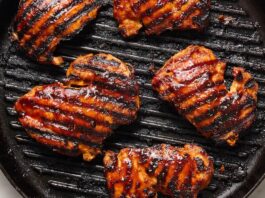
In the restaurant, we grilled the shrimp first. Added char. Added smokiness. At home? A hot skillet works fine. Less fuss. Same payoff.
Get the pan hot. Sear the shrimp until they are lightly browned. That crust matters. It adds a layer of flavor complexity that raw shrimp just can’t provide. It helps bridge the gap between the sweet shellfish and the heavy, spicy sauce.
Once they turn opaque and have that golden edge, toss them into the simmering sauce. Just for a minute. Two minutes max. They cook fast. Overcooking turns them into rubber bands.
Finish it off with butter. Swirl it in after you take the pan off the heat. It gives the sauce a glossy sheen. It rounds out the sharp edges of the chipotle heat. Then hit it with lemon juice and fresh cilantro. You need that acid and brightness. The sauce is rich. It needs a counterpoint.
Serve it with crusty bread. You’ll want something to swipe the bottom of the plate with.
It feels fancy. Tastes expensive. Takes twenty minutes.
“The result is a thick sauce that’s smoky, savory, and lightly spicy.”
Why make plain shrimp when you can make this?