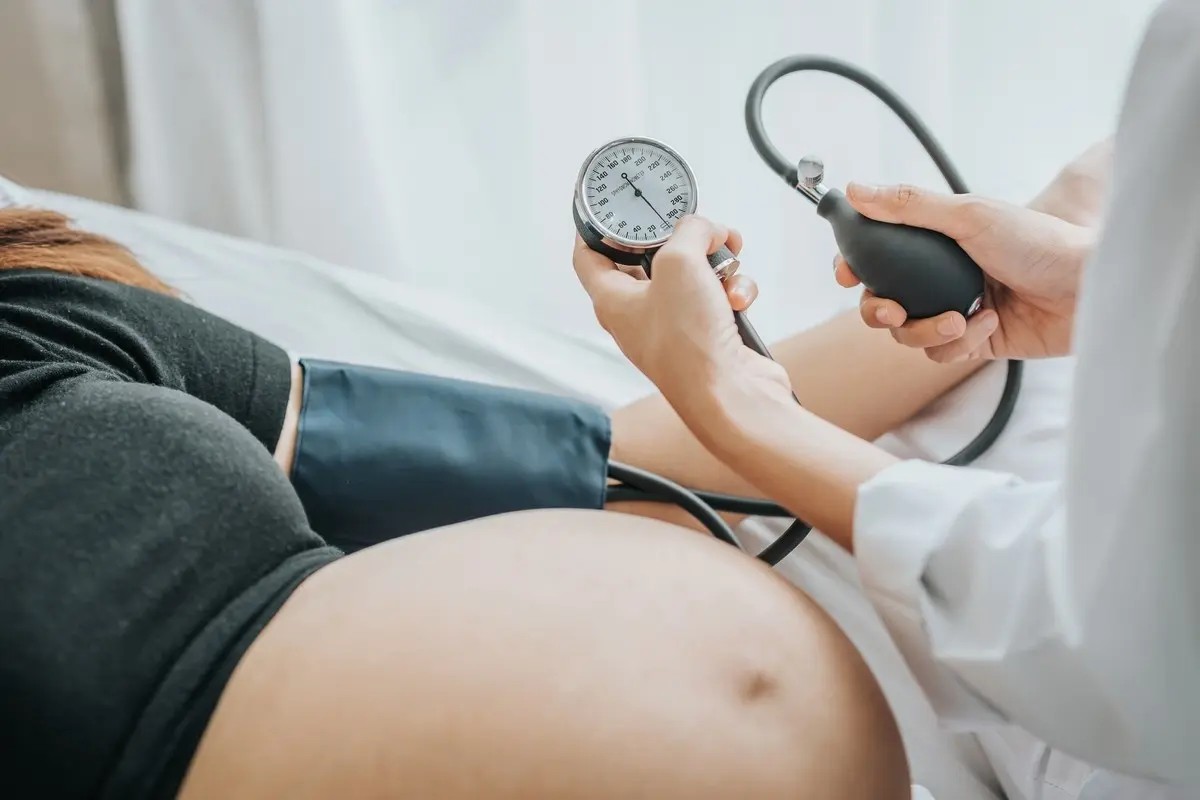
Blood pressure changes in pregnancy aren’t just numbers. They are signals.
Gestational hypertension hits after the 20-week mark only. It requires that your baseline was normal before conception. If you already had high pressure, that’s a different label. But for about 6 to 8% of US pregnancies, the gauge starts climbing when it shouldn’t.
Here is the distinction that matters. Gestational hypertension means high numbers. Preeclampsia? That means high numbers plus protein in urine or organ trouble. No protein. No organ damage. Just pressure. Yet you can’t ignore it. It might escalate.
The Numbers Game
Below 120/8 is good. 140/9 or higher, on two separate tests four hours apart post-week-20, is the threshold for diagnosis.
What happens if it spikes to 160/11? You act fast. Urgent attention isn’t optional at those levels. That is why your provider checks the cuff at every visit. Miss an appointment. You might miss a warning.
Who Is Watching The Line
It isn’t random. Some bodies are primed for this shift.
- First-time mom
- Over 35
- Carrying multiples
- History of kidney disease or diabetes
- Previous pregnancy with high pressure
- Obesity or family history of pregnancy-related pressure
It feels like a lottery, but the odds skew specific. If it happened before, the shadow lingers.
The Silent Alert
Gestational hypertension rarely knocks on the door with a loud bang. It creeps in.
But you need to listen anyway.
Call your OB immediately if any of these hit.
Severe headache that won’t quit. Blurry vision or light sensitivity. Sudden swelling in the face or hands. Pain in the upper right belly. Rapid weight gain—two pounds in a week feels real, it isn’t just water weight. Breathing trouble or chest pain.
These aren’t side effects you tough out. They might signal preeclampsia.
Same Family. Different Threat.
They are related. They aren’t the same.
Gestational hypertension stands alone with elevated pressure. Preeclampsia drags organ function and protein loss into the room. Roughly one in four women with hypertension will develop preeclampsia next. The earlier it appears before week 32 the more likely that transition is.
Monitoring And Managing
Diagnosis changes the routine. More visits. Blood tests. Ultrasounds tracking baby’s growth and fluid levels. Some women monitor at home now. It feels tedious but it buys clarity.
Treatment hinges on two things. Severity of the pressure. Stage of pregnancy. Mild cases need rest. Rest is active management sometimes. Severe cases might need pregnancy-safe medication. If numbers stay dangerously high, delivery might come early. It’s protective. It keeps mom and baby out of harm’s way.
The Long Shadow
Does it go away when the baby comes? Physically yes. The pressure often normalizes.
The risk profile does not erase itself.
Women who face hypertension in pregnancy carry higher odds for heart disease later. Chronic hypertension. Stroke. It is a marker for cardiovascular health. Knowing this early gives you leverage. Exercise. Diet. No smoking. Regular checkups.
These habits compound.
Pregnancy health isn’t a chapter you close and forget. It writes itself into your medical history.