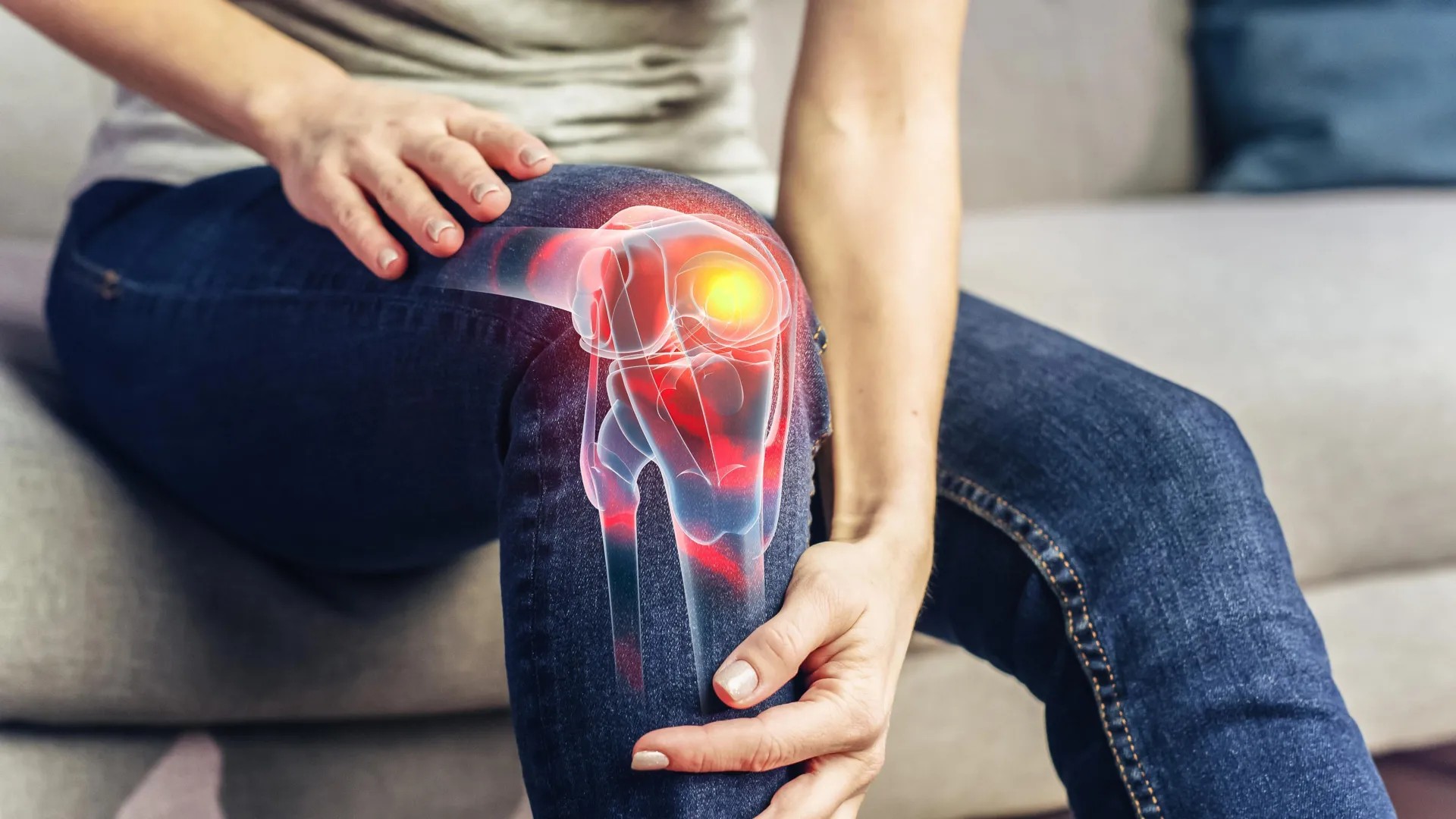
Osteoarthritis wins. It is the most common form of arthritis. A global disaster for mobility. The World Health Organization counts more than 365 million people living with it in their knees.
Think about that.
Stiffness. Inflammation. Pain. The sensory nerves scream. For many, current treatments are a dead end. Injections wear off. Surgery isn’t always on the table. Some can’t medically, some just won’t. There is a gap here. A real one.
Florian Nima Fleckenstein from Charité in Berlin knows this well. He sees these patients.
Cutting off the fuel
The new trick is called genicular artery embolization, or GAE.
It targets something weird. When your knee goes arthritic, it grows extra blood vessels. These shouldn’t be there. They pump inflammation right into the joint. They feed the pain.
GAE blocks them.
An interventional radiologist slips a thin catheter into the artery. Then, tiny particles go in. They block the flow. No blood. Less inflammation. Less pain.
The catch is the particle type. This study used rapidly resorbable, gelatin spheres. They dissolve after a few hours. The block is temporary, but the effect lasts. It avoids some of the risks of permanent blocks. It combines the best of both worlds, maybe.
Dr. Fleckenstein argues this isn’t just masking the symptom. He thinks it changes the game.
“By reducing both inflammation and pain… GAE… may be the first procedure that alters course of disease.”
Slowing it down. Not just hiding it.
194 people. One center. Real data
They studied 194 patients.
Men and women, mostly around 69 years old. BMI roughly 28. None of them got help from the standard stuff. Pills. Physio. Injections. All failed.
This is good news. It means the data applies to real doctors’ real patients, not perfect lab rats.
Every patient got the GAE treatment between July and November 20二十四. Almost two hundred procedures in total. 45 people did both knees. The second one happened within four weeks.
Fluoroscopy guided the way. Every single procedure worked.
Safety? Solid.
No serious side effects. Not a one. 6.7 percent had mild reactions, and those went away on their own. You can almost sleep through the recovery.
Numbers that move
Pain dropped. Fast.
Researchers tracked them at six weeks, three, six, and twelve months. People stuck with the study. High retention rates.
Before treatment, pain averaged a 7 on the standard 10-point scale. After six weeks, it hit 4. At twelve months? It stayed at 3.
That is not a blip. It is lasting.
Daily activities improved too. Median scores jumped from 53 to 21.5. Wait. 71.5.
Sports went from 15 to 06. Symptoms from 51 to 28. Quality of life doubled. From 19 to 00.
Are we seeing real improvement?
Yes.
The numbers cross the line for clinical significance. You need a 2-point drop in pain to count as “meaningful.” Eighty percent of these people hit that mark after a year.
“It provides meaningful pain relief… for at least twelve months.”
A new option?
This is the biggest study of its kind using these specific dissolving spheres. Nearly two hundred bodies. Real world evidence.
Dr. Fleckenstein feels confident. He says it normalizes the vessel structure. And the nerve structure follows.
So where does this leave us?
For some, this is the answer they missed. A single minimally invasive shot between the failed injection and the full joint replacement.
Lasting relief. No scalpel. Just blocked blood.
The door is open. Will you walk through it?