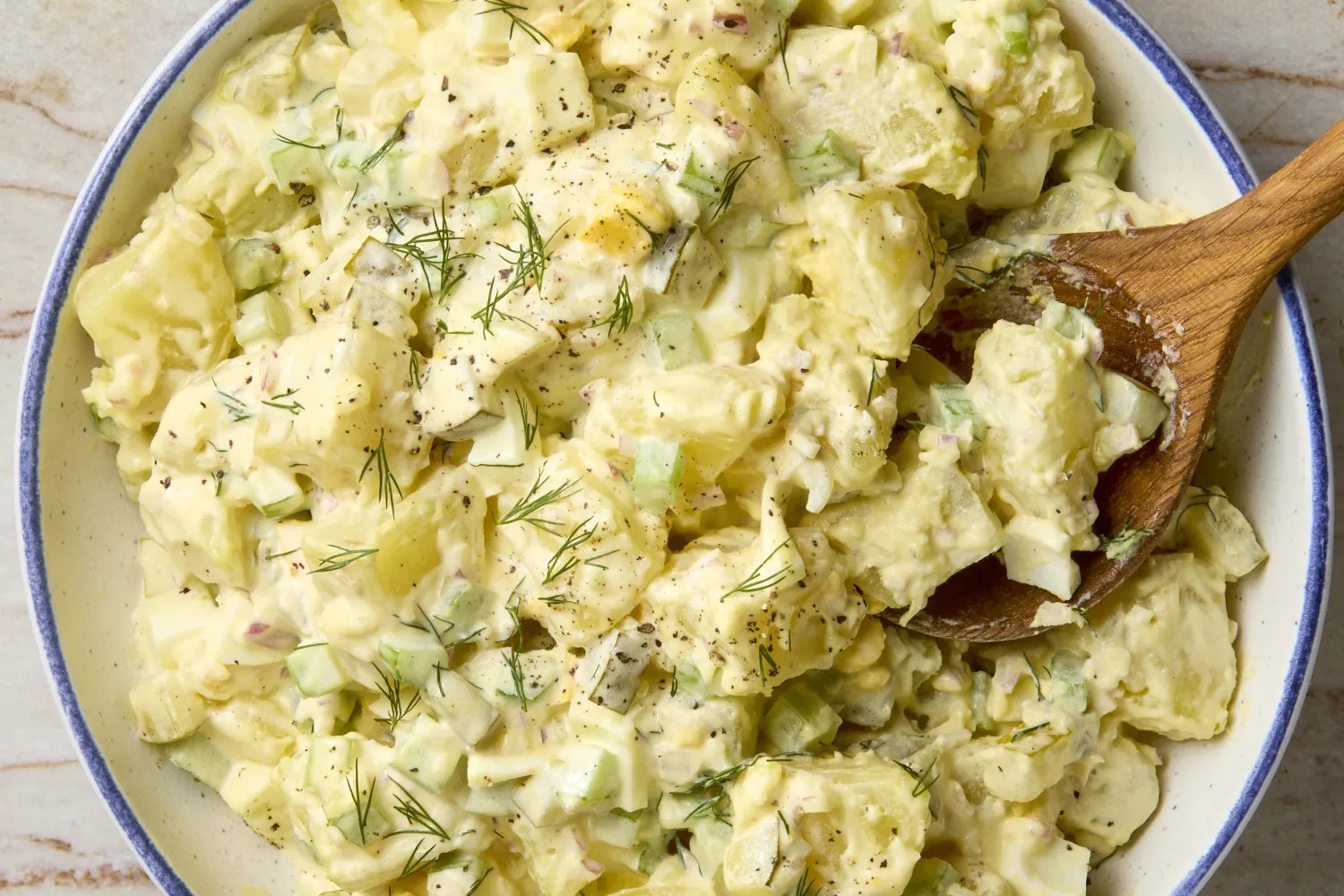
For many home cooks, potato salad is a high-stakes dish. Get the balance wrong, and you’re left with a mushy, watery mess that fails to impress. While vinegar or lemon juice are traditional go-tos for tang, they often introduce excess liquid that breaks down the texture of the potatoes. A simpler, more effective solution has emerged from Indian cuisine: amchur powder.
This spice swap doesn’t just add flavor—it solves the structural integrity problem of creamy salads, keeping potatoes fluffy and dressings thick without diluting them.
The Problem with Traditional Acid
The primary culprit behind soggy potato salad is liquid acid. When vinegar or lemon juice is added to starchy potatoes, the moisture seeps into the grains, turning them soft and mushy over time. While these ingredients provide a sharp, immediate bite, their acidity is often one-dimensional and can overpower the subtle earthiness of the potatoes.
Amchur changes this dynamic entirely. By using a dry acid instead of a wet one, you maintain the structural integrity of the potato while still achieving that necessary tartness to cut through rich mayonnaise or yogurt bases.
What Is Amchur?
Amchur (also spelled amchoor) is a vibrant, tangy spice made from sun-dried, unripe green mangoes. It is a staple in North Indian cooking, frequently used in curries, chutneys, and marinades to tenderize meat and add brightness.
However, its true utility in Western-style salads lies in its unique flavor profile and physical form:
- Complex Flavor: Unlike the sharp, singular punch of vinegar, amchur offers a fruity, sun-ripened tartness with earthy, tropical undertones.
- No Extra Moisture: Because it is a powder, it adds acidity without adding water. This prevents the dressing from becoming runny and keeps the potatoes firm.
- Depth: It provides a lingering zing that evolves as the salad sits, rather than hitting the palate and fading quickly.
You can find amchur in most well-stocked Asian markets or online spice retailers.
How to Incorporate Amchur Into Your Salad
Transitioning from vinegar to amchur requires a slight adjustment in technique. Because the spice is potent and its flavor develops differently than liquid acids, follow these guidelines for the best results:
1. Start Small
Amchur is concentrated. A little goes a long way. As a general rule, swap 1/4 to 1/2 teaspoon of amchur for every 1 tablespoon of vinegar called for in your recipe. Begin with the lower amount and adjust to taste.
2. Let It Rest
This is the most critical step. Unlike vinegar, which provides an instant acidic hit, amchur’s flavor needs time to hydrate and meld with the other ingredients. After mixing the salad, let it sit for at least 10 minutes before serving. This allows the tartness to bloom and ensures the flavor is balanced.
3. Taste and Adjust
Because every brand of amchur can vary in intensity, taste your salad after the resting period. If it needs more tang, add the spice in tiny increments (pinch by pinch) until you reach your desired level of brightness.
Why This Matters
This simple substitution represents a broader trend in home cooking: looking beyond traditional Western pantry staples to find ingredients that offer both functional and flavor benefits. By embracing global spices like amchur, cooks can solve common technical problems—like sogginess—while simultaneously elevating the complexity of their dishes.
The Bottom Line: Skip the vinegar. A pinch of amchur keeps your potato salad fluffy, flavorful, and far from soggy.