Більше, ніж просто присутність: як значущі соціальні зв’язки захищають ваш мозок
Багато хто знає, що відмова від куріння та повноцінний сон життєво важливі для здоров’я, але є менш очевидним, але не менш важливим чинником когнітивного довголіття — соціальна залученість. Однак простого перебування в одній кімнаті з іншою людиною недостатньо для захисту мозку. Щоб запобігти деменції, якість вашої взаємодії означає набагато більше, ніж просто фізична присутність оточуючих.
Прихована небезпека соціальної ізоляції
Існує суттєва різниця між проживанням з іншими людьми та наявністю реальних соціальних зв’язків. Соціальна ізоляція (наявність небагатьох контактів) та самотність (відчуття, що соціальні зв’язки не задовольняють ваші потреби) є основними факторами ризику когнітивного зниження.
Експерти попереджають, що ці стани викликають своєрідний біологічний ефект доміно:
– Хронічний стрес: Самотність провокує вироблення кортизолу. Високий рівень цього гормону може пошкодити гіпокамп – область мозку, що відповідає за навчання та пам’ять.
– Принцип «використовуй або втратиш»: Подібно до м’язів, мозок потребує регулярної стимуляції для підтримки своєї сили. Без виклику, що кидає складне спілкування, когнітивні здібності можуть атрофуватися.
– Профілактичний потенціал: Дослідження Комісії Lancet показують, що до 40% випадків деменції можна відстрочити або запобігти, працюючи над факторами способу життя, де соціальна ізоляція є однією з головних цілей.
Важливо, що це проблема не лише людей похилого віку. Люди у віці 40–50 років все частіше стикаються з ізоляцією, найчастіше через «поверхневий» характер цифрових соціальних мереж, яким не вистачає відновлювальних властивостей живого спілкування.
5 ефективних занять для здоров’я мозку
Щоб по-справжньому «натренувати» мозок, соціальна активність має вимагати активних розумових зусиль, емоційного зв’язку чи фізичної координації. Ось п’ять науково обґрунтованих способів залучення:
1. Спогади та оповідання історій
Пасивні заняття, такі як спільний перегляд фільму, змушують мозок обробляти інформацію, що входить, але не обов’язково вибудовують нові нейронні зв’язки. Навпаки, обмін історіями вимагає від вас:
– Відтворення певних спогадів (активація центрів пам’яті).
– організації думок у зв’язне оповідання (задіяння виконавчих функцій).
– емоційного контакту зі слухачем (задіяння емпатії та соціального пізнання).
2. Створення постійних соціальних ритуалів
Постійність забезпечує як когнітивну стимуляцію, і «мережа безпеки». Регулярні ритуали, такі як щотижневі ігрові вечори, книжковий клуб або заплановані відеодзвінки, гарантують, що ви залишаєтеся ментально активним. Більш того, регулярний контакт підвищує ймовірність того, що друзі або сім’я помітять найменші зміни у вашому когнітивному здоров’ї та порадять медичне втручання, якщо це буде потрібно.
3. Інтерактивні ігри
Ігри, що вимагають реакції в реальному часі та стратегії, відмінно підходять для мозку.
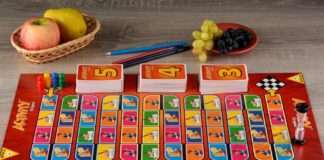
– Рекомендується: Настільні ігри, карткові ігри (наприклад, бридж), шахи, скраббл або пазли. Вони вимагають планування, пам’яті та соціальної синхронізації.
– Примітка про програми для «тренування мозку»: Хоча онлайн-ігри можуть бути захоплюючими, експерти попереджають, що їм часто не вистачає комплексної користі реальної взаємодії. Якщо цифрова гра замінює фізичну активність або живе спілкування, вона може принести більше шкоди, ніж користі.
4. Поєднання руху та спілкування
Фізична активність допомагає мозку формувати нові нейронні зв’язки, а у поєднанні із соціальною взаємодією цей ефект посилюється.
– Танці: Вимагають координації, сенсорного зворотного зв’язку та взаємодії з партнером.
– Групові прогулянки або спорт: Забезпечують подвійну користь – підтримка фізичного здоров’я та вербальне спілкування.
– Новизна: Навіть невеликі зміни, такі як прогулянка новим маршрутом або використання неробочої руки при виконанні завдань, змушують мозок адаптуватися та вчитися.
5. Навчання протягом усього життя
Освіта є одним із найпотужніших бар’єрів проти деменції. Незважаючи на те, що освіта в ранньому віці життєво важлива, ніколи не пізно кинути виклик мозку за допомогою нових навичок.
– Спільне навчання: Відвідування кулінарних курсів, вивчення нової мови або освоєння музичного інструменту разом з одним забезпечує як «когнітивне навантаження», необхідне для зростання, так і соціальну відповідальність, яка допоможе не кинути розпочате.
Суть: Щоб захистити свій мозок, прагнете «активної» соціальної взаємодії. Віддавайте пріоритет глибоким розмовам, загальним хобі та фізичній активності замість пасивного співіснування, щоб зберегти гостроту та стійкість розуму.