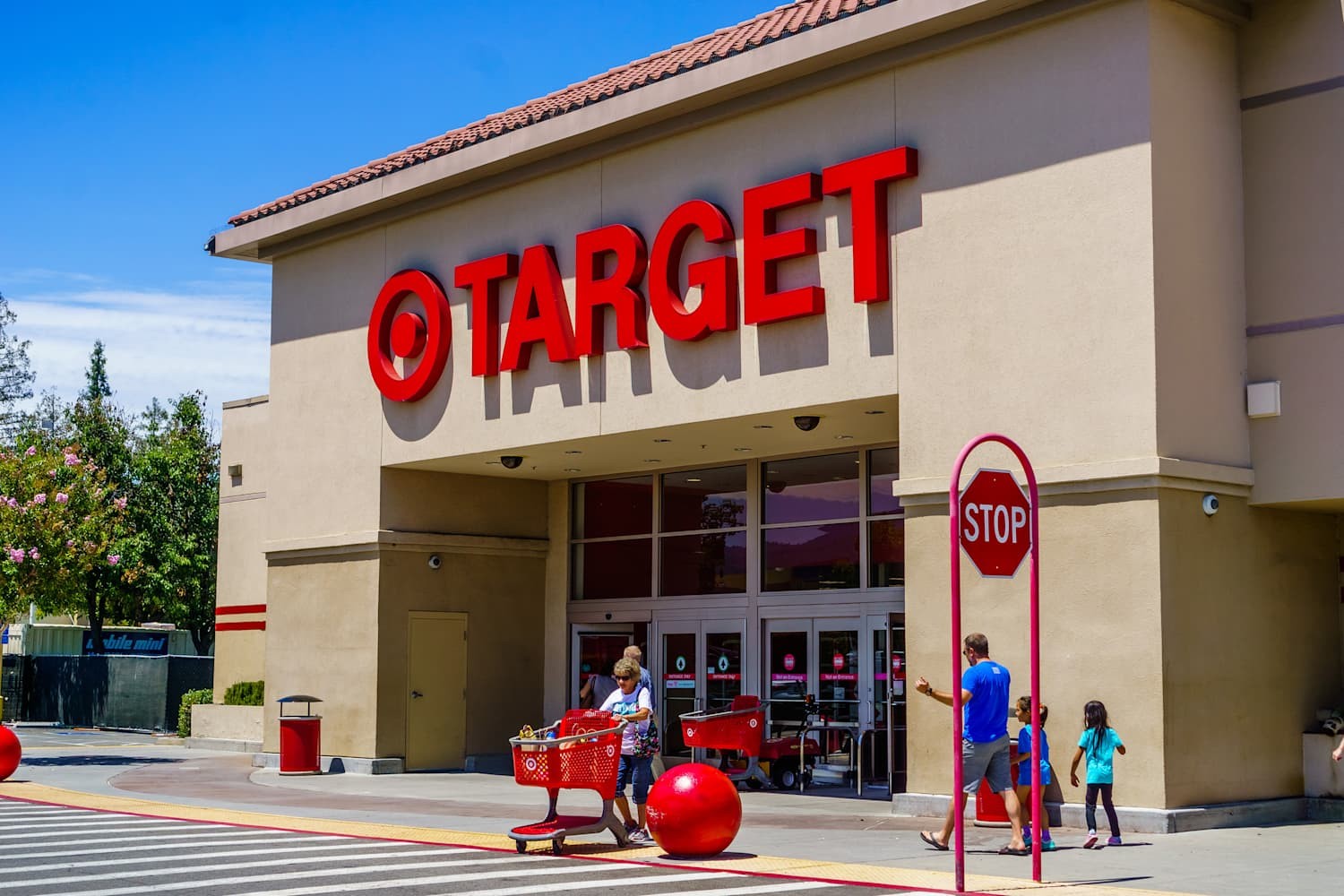
Target has announced it will remove all cereals containing certified synthetic colors from its stores by the end of May. This move reflects a growing consumer preference for natural ingredients, particularly in products marketed to families.
The Shift in Consumer Demand
According to Cara Sylvester, Target’s chief merchandising officer, the decision is data-driven. Sales trends and customer feedback indicate an increasing demand for foods without artificial additives. The company frames this as a step towards supporting healthier lifestyles and making informed choices easier for shoppers.
Industry-Wide Trend
Target isn’t alone in this transition. Major cereal manufacturers, including General Mills and WK Kellogg, have pledged to phase out certified synthetic colors by 2027. This change aligns with a broader food industry trend spurred by FDA regulations aiming to remove petroleum-based synthetic dyes from the U.S. food supply.
What This Means for Shoppers
While Target has not disclosed specific brands that will be removed, the company insists the number of affected products will be minimal. The move is part of Target’s wider commitment to wellness, evident in its Good & Gather brand, which has excluded artificial ingredients since its launch in 2019.
Context and Implications
The use of synthetic colors in cereal is a long-debated topic. These additives are typically cheaper and easier to blend for consistent hues but have faced scrutiny over potential health concerns. The industry shift towards natural alternatives is driven by consumer pressure and regulatory changes.
“Consumers are increasingly prioritizing healthier lifestyles, and we’re moving quickly to evolve our offerings to meet their needs.” — Cara Sylvester, Target executive vice president and chief merchandising officer.
Target’s move is a significant step in reshaping the cereal aisle, signaling a broader industry response to changing consumer preferences. The company promises continued variety in flavors, dietary options, and price points despite the change.
This change reflects a wider trend in the food industry toward cleaner labels and healthier ingredients, as retailers and manufacturers alike respond to consumer demand for more natural options.