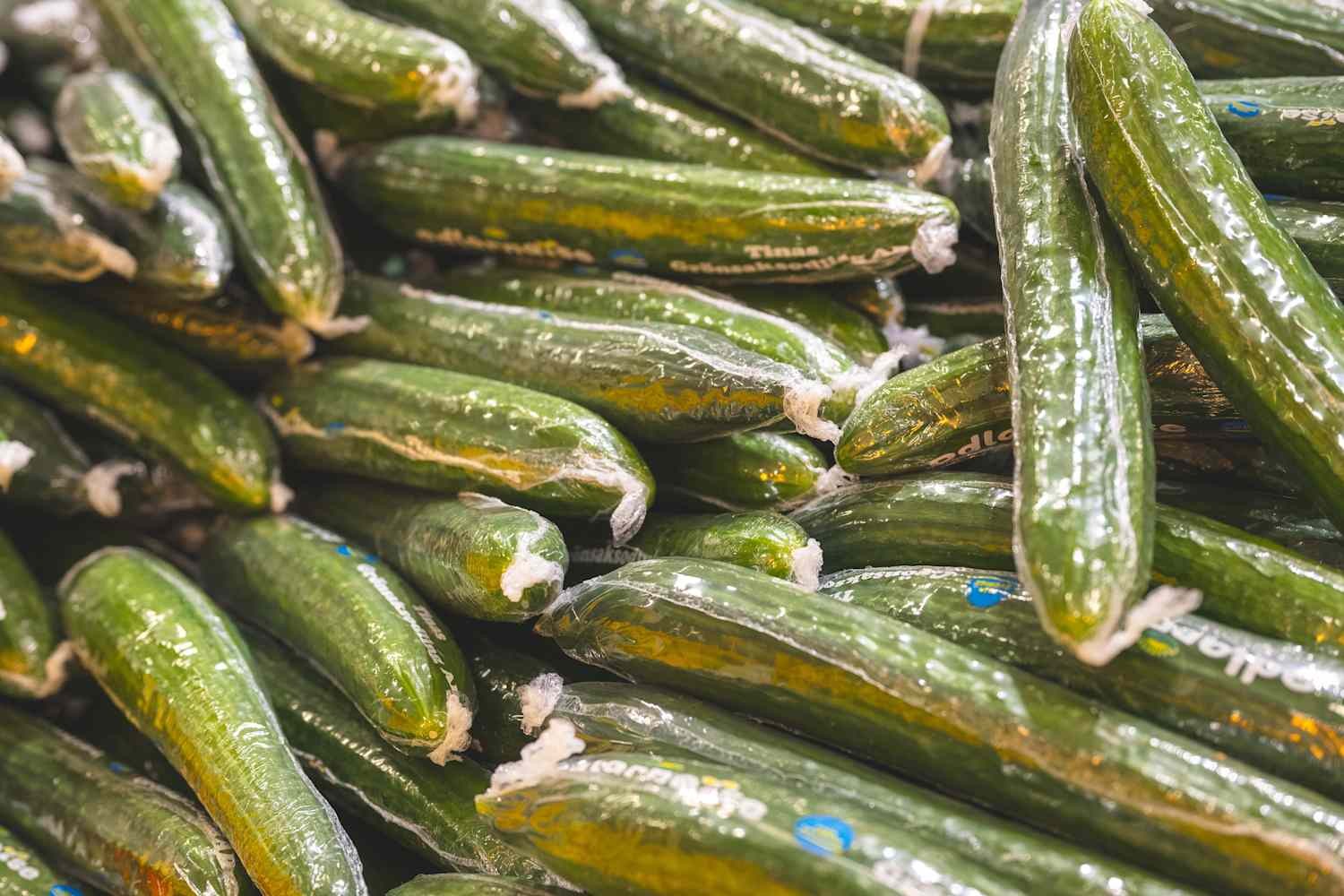
Many shoppers actively avoid unnecessary plastic packaging at the grocery store, but some produce—particularly cucumbers—often come shrink-wrapped or in plastic containers. This isn’t arbitrary; it’s a practical measure driven by the need to protect delicate varieties and reduce food waste.
Why Some Cucumbers Need Plastic
English and Persian cucumbers, unlike thicker-skinned garden varieties, have significantly thinner skin. This makes them vulnerable to bruising, nicks, and rapid moisture loss during transport and storage. The plastic serves multiple critical functions:
- Preventing Damage and Foodborne Illnesses: Plastic packaging minimizes bruising, which can create entry points for Salmonella and other harmful microorganisms.
- Maintaining Freshness: It preserves hydration, keeping cucumbers crisp instead of limp.
- Limiting Oxygen Exposure: Reducing oxygen contact slows down degradation, preventing discoloration and extending shelf life.
While plastic is often criticized for environmental reasons, in this case, it can paradoxically reduce waste. Environmental journalist Louise Gray points out that the extended shelf life from plastic packaging can outweigh the environmental cost of its production. The Kitchn reports cucumbers stored in plastic with a paper towel can remain fresh for over two weeks.
Which Cucumbers Typically Come Wrapped?
Here’s a breakdown of common cucumber varieties and their typical packaging:
- English Cucumbers: Almost always individually shrink-wrapped.
- Persian Cucumbers: Usually sold in plastic bags or on styrofoam trays covered in plastic.
- Kirby Cucumbers: Often sold in plastic bags, as their skin is also relatively thin.
- Korean Cucumbers: Frequently packaged in plastic bags, though availability varies.
- Garden Cucumbers: Typically sold unwrapped, but coated in food-grade wax to retain moisture; these require peeling before consumption.
The reality is that some cucumbers simply need extra protection to reach consumers in good condition. While sustainable alternatives are being explored (including edible coatings), plastic remains a practical solution for preserving quality and minimizing food waste.
The presence of plastic on these cucumbers isn’t about convenience; it’s a necessary step to ensure freshness, safety, and reduce overall environmental impact by preventing spoilage.