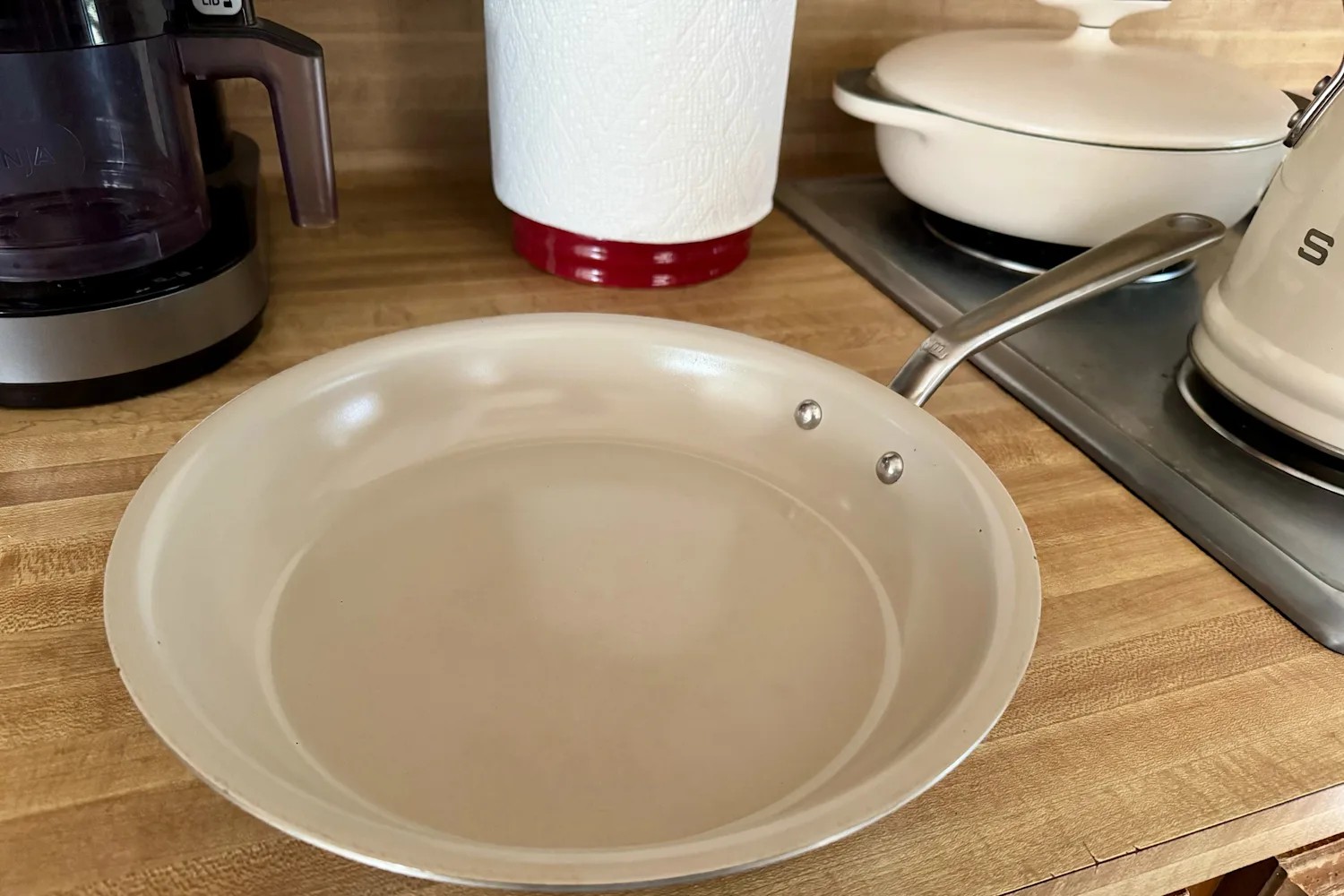
Ceramic cookware has gained popularity for its non-toxic, non-stick surface and aesthetic appeal. However, maintaining its performance requires a more delicate approach than with traditional materials like stainless steel or aluminum. Experts agree that gentle care is key to preserving the lifespan of ceramic pans.
Cleaning Your Ceramic Pan: A Step-by-Step Approach
The best way to clean ceramic cookware is to avoid harsh methods. Start by rinsing the pan with warm water to loosen food particles. Use a soft sponge with a few drops of eco-friendly dish soap, applying gentle, circular motions. Avoid excessive force; the non-stick coating is designed to release food easily with minimal scrubbing. Rinse thoroughly and dry with a soft towel or allow to air dry.
Tackling Burnt-On Food Residue
Even the best non-stick surfaces can accumulate burnt-on residue. Soak the pan in warm, soapy water for 10–20 minutes (or longer, if needed) to soften the debris. Use a soft nylon brush or silicone spatula to gently scrape away the residue. For particularly stubborn buildup, simmer the pan on the stovetop with warm water and soap for 5–10 minutes. Patience is crucial; avoid abrasive tools that can damage the coating. Over night soaking is an option for tough burns.
Removing Stains from Ceramic Surfaces
Food stains can be addressed with a baking soda paste. Mix 2–3 tablespoons of baking soda with 12 drops of dish soap and enough water to form a spreadable consistency. Apply to the stain, let sit for 10–20 minutes, then wipe with a soft sponge. Baking soda is generally safe for ceramic cookware, but always use it in conjunction with dish soap to enhance its cleaning power.
What to Avoid: Protecting Your Investment
Certain cleaning agents and tools will damage ceramic cookware. Never use abrasive powders, steel wool, metal utensils, or bleach. Even if dishwasher-safe, handwashing is recommended to preserve the finish and prolong the pan’s life. Dishwashers can dull the surface over time.
Extending the Lifespan of Your Ceramic Pans
Beyond cleaning, several practices extend the longevity of ceramic cookware. Cook only on low or medium heat to prevent overheating. Never preheat an empty pan, as high temperatures can damage the coating. Avoid thermal shock by never running cold water over a hot pan, which can cause microcracks. Use only silicone, nylon, or wood utensils to prevent scratches. Store stacked pans with a dishtowel between them for added protection.
Proper care ensures ceramic cookware remains non-stick and functional for years, making it a sustainable and efficient kitchen tool.