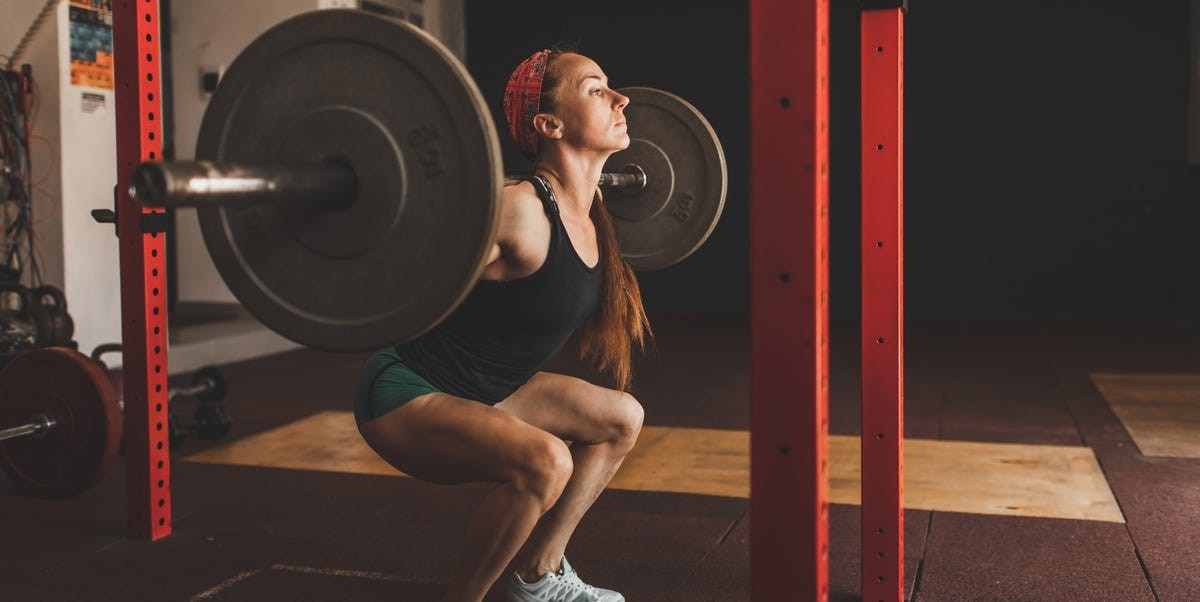
Resistance training is a cornerstone of overall fitness, often simpler than people think. If you’ve ever carried groceries, climbed stairs, or done a squat, you’ve already experienced it. At its core, it’s any exercise that forces your muscles to work against an opposing force — be it weights, resistance bands, or even just your own bodyweight. This isn’t just about building bigger muscles; it’s about improving health, functionality, and well-being across the board.
What’s the Difference Between Resistance and Strength Training?
While often used interchangeably, strength training is a specific type of resistance training focused on increasing maximum strength. Resistance training is broader, encompassing exercises designed to improve endurance, speed, power, or simply maintain overall fitness. Think of strength training as a focused subset within the larger category of resistance work.
Types of Resistance Training
There’s a method for every level:
- Bodyweight Training : The most accessible starting point. Exercises like push-ups, squats, and planks build foundational strength and require no equipment.
- Free Weights : Using dumbbells, kettlebells, or barbells allows for measurable progress; as you lift more, you objectively get stronger. This flexibility also applies to everyday items like filled backpacks or water jugs.
- Machines : Gym machines provide guided movement patterns, making them ideal for beginners. They often enforce proper form by design.
- Cable Machines : Cables offer consistent tension throughout an exercise, maximizing muscle engagement and helping refine technique. Studies show cable exercises are just as effective for muscle growth as dumbbell variations.
- Resistance Bands : Portable and versatile, bands provide increasing tension as you move, challenging muscles across a full range of motion.
- Medicine Balls : Engaging for the entire body, these can be used in slams, twists, or simply held during exercises like squats to increase resistance.
- Carries & Pushes : Functional movements like farmer’s walks and sled pushes build real-world strength for everyday tasks like moving furniture.
Why Resistance Training Matters
The benefits extend far beyond aesthetics:
- Heart & Bone Health : Resistance training lowers the risk of chronic diseases, including heart disease. Even 30-60 minutes of weightlifting weekly is linked to lower mortality rates. It also strengthens bones, preventing osteoporosis and falls.
- Inflammation Reduction : Regular resistance training can decrease inflammatory markers in the body, potentially mitigating conditions like cardiovascular disease, diabetes, and arthritis.
- Injury Prevention & Recovery : Stronger muscles improve balance, posture, and agility, reducing the risk of injuries. It can also speed up recovery from existing injuries.
- Muscle Growth : Combining resistance training with consistent effort (progressive overload) promotes muscle gain and fat loss.
- Mental Wellbeing : Exercise releases endorphins, boosting mood and reducing stress. Studies show that resistance training can alleviate depressive symptoms.
- Endurance Building : Resistance training complements cardio by developing muscular endurance, enhancing performance in activities like marathon running.
- Functional Strength : It makes everyday tasks easier — from carrying groceries to climbing stairs — improving quality of life.
Getting Started
Start slowly, with 2-3 sessions per week. Focus on 2-3 sets of 8-12 reps per exercise. Choose weights that challenge you without sacrificing form. Gradually increase the resistance as you progress. Habit stacking – pairing exercise with existing routines (like wall sits while brewing coffee) – can help build consistency.
Resistance training is an investment in your long-term health and fitness. It’s not just about lifting weights; it’s about building a stronger, more resilient you.