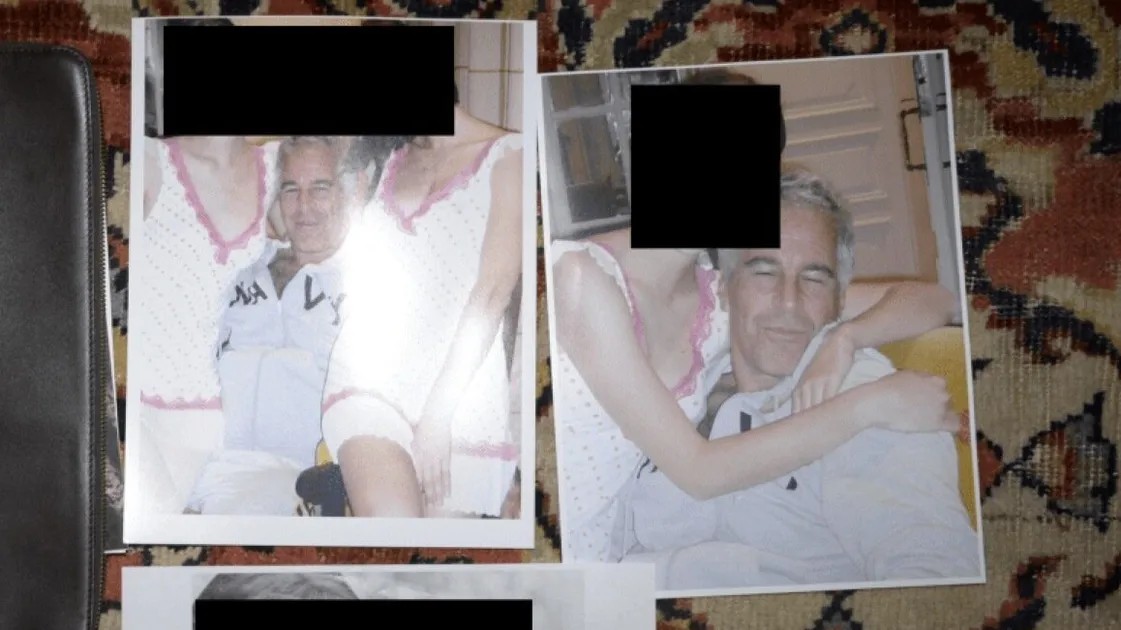
The Justice Department’s recent release of over 3 million pages related to Jeffrey Epstein’s criminal network has reignited controversy, but not for the reasons officials may have hoped. While the DOJ aggressively protected the identities of powerful figures implicated in the files, it simultaneously exposed the names, email addresses, and even nude photographs of Epstein’s survivors, many of whom had previously chosen to remain anonymous for their safety.
This blunder isn’t merely an oversight; it’s a stark illustration of how institutions prioritize protecting the elite over safeguarding the victims of abuse. Survivors who have already endured trauma are now facing further re-traumatization, harassment, and the chilling realization that their privacy has been violated by the very government that should be protecting them.
The Fallout: The release has sparked immediate backlash from survivor advocates and legal experts. Dave Ring, a Los Angeles trial lawyer specializing in sexual assault cases, condemned the move as “grossly negligent and reckless,” stating that the damage is irreversible. Rape shield laws, designed to protect survivors in legal proceedings, were effectively disregarded.
A Pattern of Disregard: This incident is not isolated. Critics point to a broader trend of the DOJ failing to respect victims’ rights, releasing files only after sustained public pressure and selectively redacting information to shield perpetrators while exposing survivors. As Professor Leigh Gilmore of Ohio State University argues, this is a “paradigmatic instance of institutional silencing” where transparency serves to protect abusers rather than seeking justice.
The Core Issue: The fact that Epstein, one of the most notorious traffickers in history, has not resulted in accountability for his network underscores a systemic failure to prioritize victims. The message sent is clear: silence is safer than seeking help, and powerful men can operate with impunity.
The damage is done. Names are now public, and the consequences will fall disproportionately on those who were already victimized. This isn’t an administrative error; it’s a betrayal of trust that reinforces the dangerous message that victims are collateral damage in the pursuit of justice.