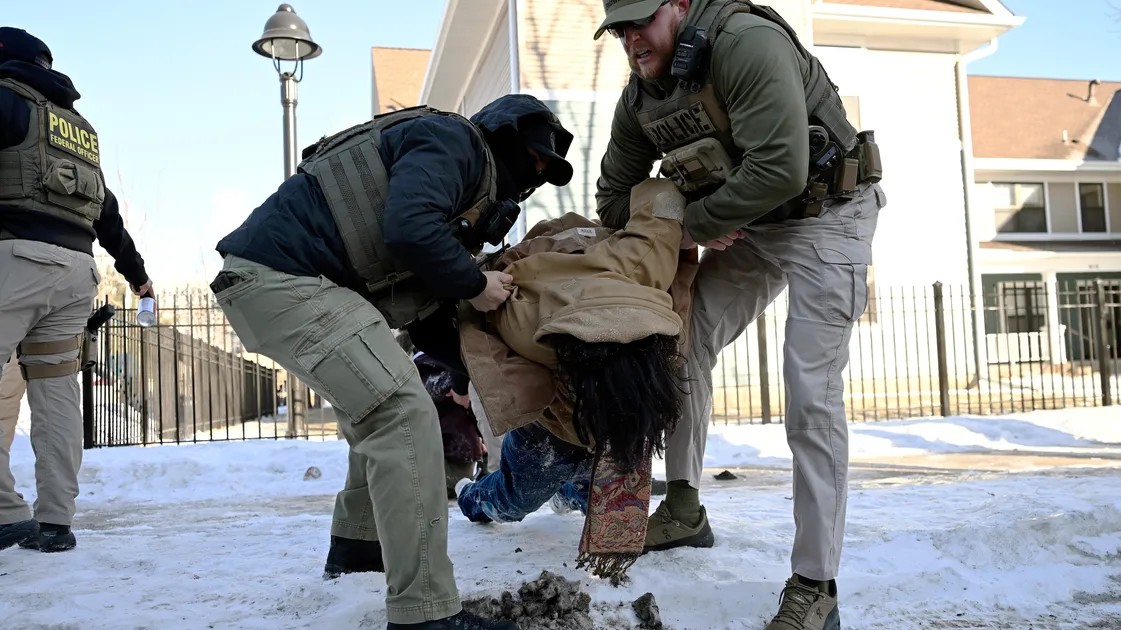
The current outrage directed at social media influencers for remaining silent on U.S. Immigration and Customs Enforcement (ICE) abuses reveals a deeper dynamic at play: the erosion of trust when perceived moral obligations go unmet. Many followers feel betrayed when creators who profit from their engagement avoid addressing systemic injustice, particularly violence and inhumane treatment perpetrated by ICE. This isn’t just about politics; it’s about the implicit contract between creators and their audience.
The Parasocial Illusion and Relational Abandonment
Psychologists explain that audiences develop parasocial attachments to influencers—one-sided relationships where fans feel a sense of connection and trust. When these figures suddenly retreat into silence during moments of widespread harm, it’s experienced as relational abandonment. Followers who rely on these personalities for validation or guidance feel let down when they fail to take a stand, especially given their frequent engagement on less critical topics.
Silence as Implicit Alignment
Remaining neutral isn’t neutral; it can be interpreted as tacit support for the status quo. In a context where ICE faces accusations of systemic abuse, silence implies agreement. This is particularly frustrating when influencers regularly solicit support from their audience—asking for likes, shares, and purchases—but refuse to reciprocate with moral advocacy.
“Neutrality is a privilege you can afford when you aren’t at risk.”
This disparity highlights a power imbalance: influencers benefit from their communities but may hesitate to risk their own platforms by taking controversial stances.
The Erosion of Authenticity
Audiences now expect transparency. Influencers often share intimate details of their lives—relationships, routines, even personal struggles. When this openness vanishes in moments of crisis, it raises questions about authenticity. Followers who previously trusted these creators may begin to doubt their values and motivations.
Beyond Individual Cases: Systemic Disparities
The anger isn’t limited to recent incidents. Many observers point out that the outrage over ICE abuses often eclipses systemic violence against marginalized communities, particularly Black and Brown people, which has been ongoing for years. The sudden attention feels hypocritical to those who have long witnessed unchecked brutality. The recent focus on specific cases, while important, risks overshadowing the broader pattern of injustice.
The Marketplace of Exchange: Reciprocity and Responsibility
Influencers operate within an exchange economy: they leverage their platforms for profit, relying on audience engagement. This creates an implicit obligation to use their influence responsibly. Demanding action isn’t simply about forcing opinions but recognizing that power comes with accountability.
“If you ask people to give time, attention, money, energy… that voice may be demanded of you to support the people who got you where you are.”
Ultimately, influencers’ silence reflects a broader failure to acknowledge systemic harm. The outrage is a direct consequence of unmet expectations: audiences no longer accept superficial engagement when real-world consequences demand action.