The annual release of the Social Security Administration’s (SSA) list of popular baby names usually offers a predictable comfort: Liam and Olivia remain the undisputed champions of American naming trends. However, buried within the standard data is a significant shift that reveals much more about current cultural currents than the top ten alone.
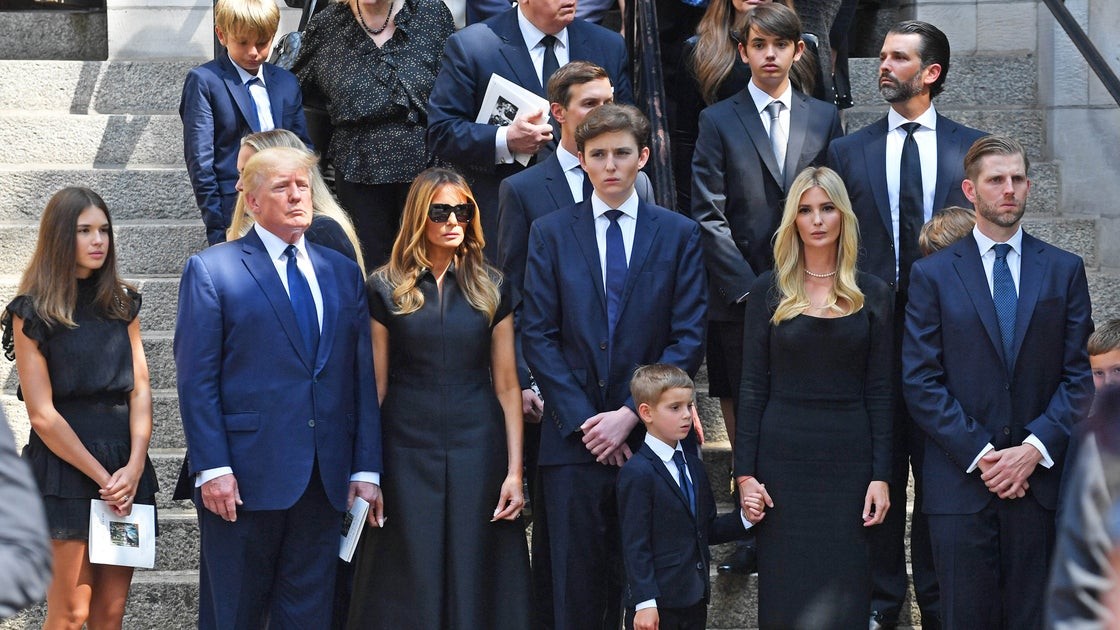
The name Barron is experiencing a historic surge, marking one of the fastest-rising names for boys in the United States. This isn’t just a minor fluctuation; it represents a convergence of political influence, aesthetic preference, and social signaling.
A Statistical Leap into History
The data tells a clear story of rapid acceleration. In 2024, Barron sat at number 1,019 on the popularity list. By 2025, it had jumped 229 spots to land at number 790. This movement is historically significant for two reasons:
- It is the first time the name has entered the Top 1,000 since 1971.
- The absolute number of babies named Barron reached a record high, with 320 newborns receiving the name last year, up from 219 in 2024.
For context, when Barron Trump was born in 2006, only 68 babies shared his name. While there were bumps in popularity following the 2016 and 2020 elections (rising from 74 in 2015 to 136 in 2017), the current trajectory suggests a sustained cultural shift rather than a temporary spike.
The “First Family” Effect: A Historical Pattern
While the name is inextricably linked to President Donald Trump’s youngest son, experts note that this is part of a longstanding American tradition. Parents have historically looked to the families of political leaders for naming inspiration, often preferring the children’s names over the politicians’ own to avoid direct partisan association.
“America has a complicated relationship with political names… Parents are willing to give their children names of political figures’ family members. These are seen as less controversial.”
— Sophie Kihm, Editor-in-Chief of Nameberry
This trend has deep roots in American history:
* Caroline Kennedy saw a rise in popularity after her father’s 1960 election.
* Jenna Bush and Malia Obama experienced similar surges following their fathers’ electoral victories.
* Even earlier, Alice Roosevelt (daughter of Theodore Roosevelt) became a style icon, influencing fashion and music, while Ruth Cleveland (daughter of Grover Cleveland) helped push her name into the Top 10 in the late 19th century.
In the modern era, the Trump family has functioned as a specific brand of inspiration. Names like Melania and Ivanka saw usage bumps during Trump’s first term, but Barron’s rise is distinct due to his lower public profile and perceived neutrality.
Why Barron? The Appeal of Subtlety and Style
Why are parents choosing this name now? Experts suggest a mix of political signaling, aesthetic trends, and phonetic appeal.
1. Political Signaling Without the Noise
Baby name consultant Taylor Humphrey suggests that Barron offers a way for parents to signal alignment with a certain lifestyle or political sphere without the overt controversy of naming a child “Donald” or “Trump.”
* Proximity to Power: The name evokes wealth, influence, and a polished image.
* Low Controversy: Unlike many public figures, Barron Trump has remained largely silent and uncontroversial. This allows the public to project positive attributes onto him, such as being culturally aware or politically savvy, without the baggage of polarizing rhetoric.
2. Aesthetic and Phonetic Trends
Beyond politics, the name fits perfectly into current naming trends for boys:
* The “B” Trend: Two-syllable names starting with ‘B’ are currently stylish, alongside rising names like Brewer, Bryer, Benson, and Baker.
* Soft Strength: The name balances hard consonants with a soft “-on” ending, creating a sound that is described as “soft yet strong.”
* Nickname Flexibility: It offers trendy nickname options, most notably Bear, which has significant appeal among modern parents. Other variations include Rory, Barry, and Ron.
3. Historical Prestige
The name also carries subtle associations with prestige through the financial publication Barron’s. Additionally, the alternate spelling “Baron” (without the second ‘r’) was more common in the mid-20th century, peaking in 1966. The current revival of the “Barron” spelling distinguishes it from its historical counterpart while maintaining a classic feel.
Conclusion
The rise of Barron is more than a curiosity; it is a case study in how modern parents navigate identity, politics, and style. It demonstrates a preference for subtle signaling —choosing names that imply connection to power and prestige without shouting political allegiance. As long as the name maintains its fashionable phonetics and low-controversy association, its upward trajectory is likely to continue, reflecting a broader trend toward names that feel both traditional and distinctly modern.