Alliums—the botanical family encompassing onions, garlic, chives, leeks, and shallots—are the unsung heroes of global cuisine. From French mirepoix to Spanish sofrito and Chinese stir-fries, these ingredients form the savory backbone of countless dishes. Yet, despite their ubiquity, there is often confusion regarding when to use specific varieties, particularly the more expensive shallot.
Kate Winslow, co-author of Onions Etcetera: The Essential Allium Cookbook, argues that alliums are underappreciated. “Our food would be much more bland without them,” she notes. “They can be very, very sweet and supple or they can be sharp and spicy. There are not that many ingredients that can go in so many different directions.”
While standard yellow, white, and red onions are reliable workhorses, shallots occupy a distinct niche. Understanding the botanical, culinary, and economic differences between the two helps home cooks make smarter decisions in the kitchen.
The Botanical and Flavor Distinction
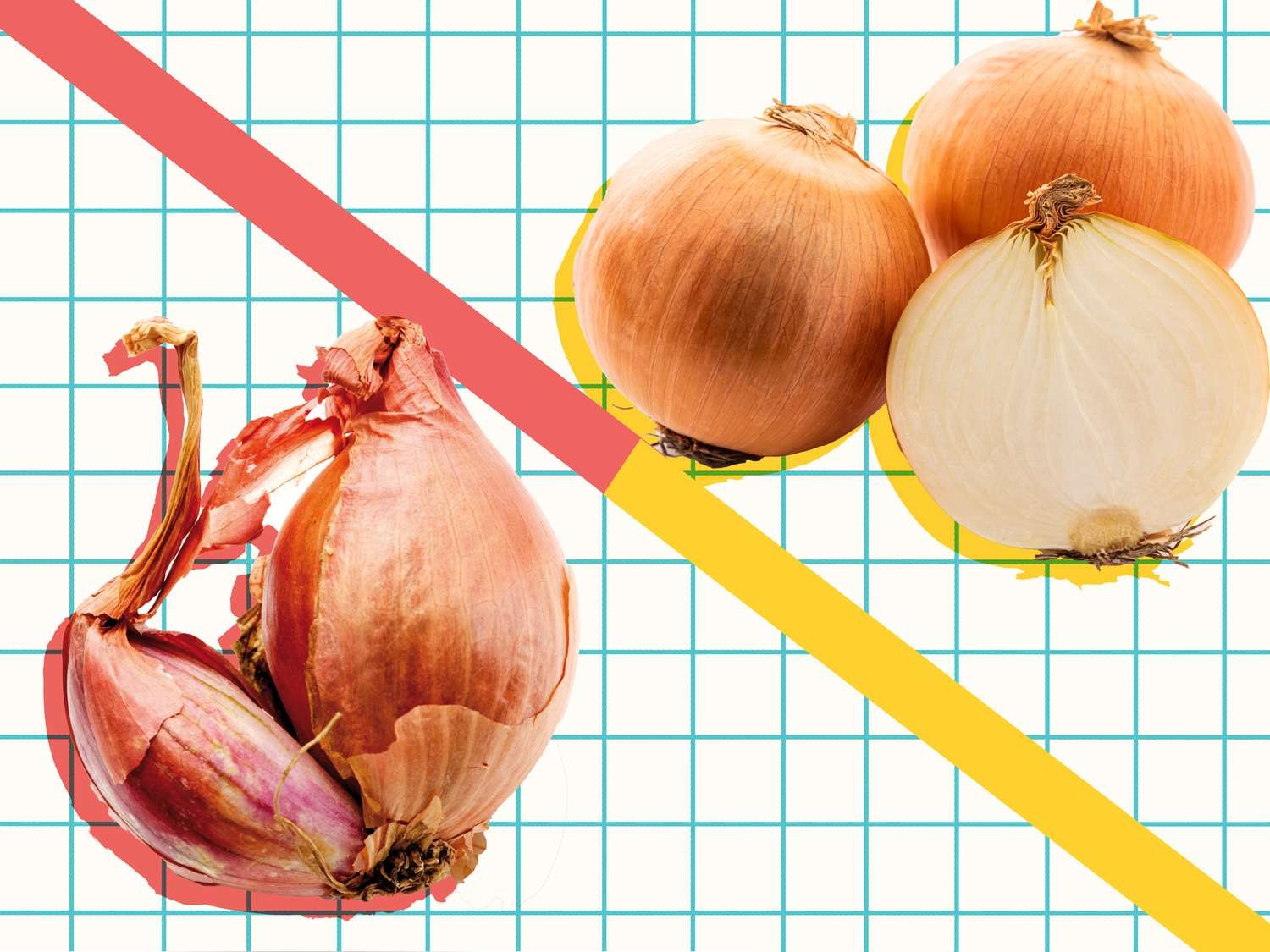
To understand the difference, one must look at how these vegetables grow and taste. Botanically, standard storage onions (Allium cepa ) are single-bulb plants. In contrast, shallots are more like their “cousins”; they grow in clusters of multiple bulbs attached to a single root system. When you peel away the papery skin of a shallot, you will see two or more sections, resembling small, flat cloves.
This structural difference impacts both preparation and flavor:
- Flavor Profile: Onions deliver a sulfurous, pungent punch that provides strong aroma and flavor in cooked dishes. Shallots, however, offer a milder, sweeter, and more delicate taste, often accompanied by a subtle garlic-like note. While both can induce tears when chopped, the shallot’s flavor is described by culinary experts as “beguiling” due to its complexity without harshness.
- Texture: Shallots consist of thin layers of flesh, giving them a fine, even texture. This structure allows them to soften and melt into dishes quickly. Onions have thicker, sturdier layers that hold their shape better during cooking and provide a distinctive crunch when served raw.
The Economic Reality: Why Are Shallots So Expensive?
The price disparity is significant: shallots can cost at least three times as much as standard onions. This is not arbitrary; it reflects the realities of agriculture and labor.
- Growing Conditions: Onions are hardy crops that can be grown year-round in both cold and warm climates. Shallots are “persnickety,” requiring warm conditions and often necessitating hand-harvesting.
- Labor and Shipping: The increased labor intensity and specific climate requirements drive up production costs, which are passed to the consumer.
- Perception: There is also a cultural component. As Winslow observes, yellow onions are viewed as humble supermarket staples, while shallots have long been associated with French haute cuisine, influencing their perceived value.
Strategic Usage: When to Choose Which
Given the cost difference, it is wise to reserve shallots for dishes where their specific qualities shine, while relying on onions for bulk and robust flavor.
When to Use Shallots
Shallots excel in applications where a mild, sweet flavor and delicate texture are paramount.
- Raw Applications: Their lack of harsh burn makes them ideal for vinaigrettes and dressings. “The number one way we use them at home is in vinaigrettes,” says Winslow.
- Roasting: Shallots become incredibly sweet and meltingly tender when roasted, making them an excellent side dish.
- Garnishes: Fried shallots add a sophisticated crunch and sweetness to salads, Southeast Asian dishes like mie goreng and pork larb, and other main courses.
When to Use Onions
Onions are the economical choice for dishes requiring volume, structural integrity, or a stronger flavor base.
- Soups and Stews: Yellow onions are the standard for building flavor foundations in soups and stews.
- Caramelization: For dishes like French onion soup or jammy caramelized onions, yellow onions are the preferred choice due to their sugar content and texture.
- Raw Heat: White or red onions provide the necessary bite for salsas (like pico de gallo ), tacos, and pickled garnishes.
Substitution Strategies
Can you swap them? Yes, but with caveats.
- Shallots for Onions: If a recipe calls for a small amount of onion (e.g., half an onion), a shallot is a perfect substitute. In cooked dishes, the difference is negligible. In raw applications, the flavor will be milder, but the swap is generally safe. However, substituting shallots for large quantities of onion is impractical due to cost and prep time.
- Onions for Shallots: If a recipe requires shallots but you only have onions, use a red onion (for color and mildness) or a sweet onion (like Vidalia or Maui). To approximate the shallot’s garlic-like nuance, add a small amount of minced garlic. Be aware that the result will have more “bite” and a stronger flavor profile.
The Takeaway: Shallots are not merely “expensive onions”; they are a distinct ingredient with a milder, sweeter profile and delicate texture. Reserve them for dressings, garnishes, and dishes where subtlety is key. For soups, stews, and bulk cooking, standard onions remain the superior, economical choice.