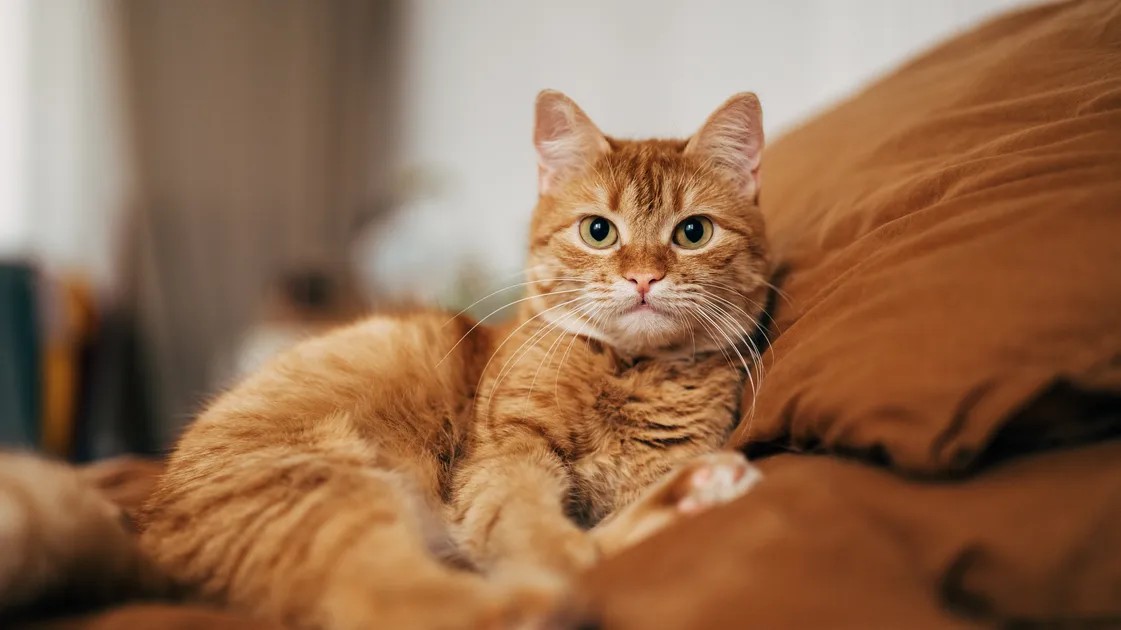
Cats lie. Not the moral kind. The biological kind. They’re built to survive in the middle of the food chain, which is a weird place to be. Dr. Kate Anderson calls them mesopredators. They hunt mice but hide from hawks. That double life means they hide stress like pros.
It gets them in trouble.
Anderson works at Cornell University. She says cats mask pain until they’re dying. We miss it. We think they’re fine because they don’t cry like dogs do.
Don’t fall for it.
Here are three signs you’re probably misreading.
Peeing Is A Protest
Let’s get this out of the way first. When your cat pees on your rug, it isn’t spite. It isn’t a personal attack.
It’s panic.
Urination outside the box is the number one reason owners give cats to shelters. Sometimes those cats die. That’s how misunderstood it is.
Maybe they sprayed your couch because another cat walked past your window. Maybe they just need another litter box. Anderson says the fix can be simple. Add a box. Change the spot.
But if you wait? It gets harder. A 2021 study showed that treated cats got adopted just fine. But you have to treat it. Don’t wait.
What about no pee at all?
Run. To the emergency vet. Dr. Kate Elden notes that people see a cat straining and think constipation. Especially in male cats, it means their urinary tract is blocked. That’s not a Tuesday afternoon issue. That’s fatal if you miss the window.
The Sound of Self-Soothing
We think purring means love. Sometimes it does. Cuddling cats? Fine.
Stressed cats? They purr too.
Dr. Cassidy Alvarez from Family Pet Animal Hospital in Chicago explains that the low-frequency vibrations might actually heal tissue or modulate pain. It’s a self-soothing mechanism. Think of it like rocking back and forth when you’re overwhelmed.
So how do you tell the difference?
Don’t just listen. Look.
Elden says look at the whole cat. Is she hiding? Refusing food? Breathing fast while she vibrates? Then the purr isn’t a compliment. It’s a coping mechanism. Cats mask illness masterfully. If she’s hunched and purring, she’s hurting.
The Vanishing Act
Movies love the shy cat. Reality doesn’t.
Sure, shy cats exist. If guests come over and your cat retreats to the bedroom, that’s fine. Give her a safe zone. Food. Water. Box. Leave her be. Anderson hates seeing parents force kids to pet a fleeing cat. The cat says “leave me alone.” Listen.
But this is different from disappearing.
A social cat who suddenly hides under the bed for hours? Alarm bells.
Why hide? In the wild, looking sick makes you dinner. Predors spot weakness. So they vanish to heal in secret. It’s an instinct.
Alvarez warns that extended hiding, especially with vomiting or low appetite, is a prompt to go to the vet. Now. Not later.
We treat our cats poorly. We visit their vets less often than dog owners do. We ignore the signals. We let them hide.
We wait.
Anderson says it’s too late by the time we see it. The condition progresses while we assume they’re just “being cats.”
Early treatment saves them. Delayed treatment costs lives.
Are you listening to the silence?