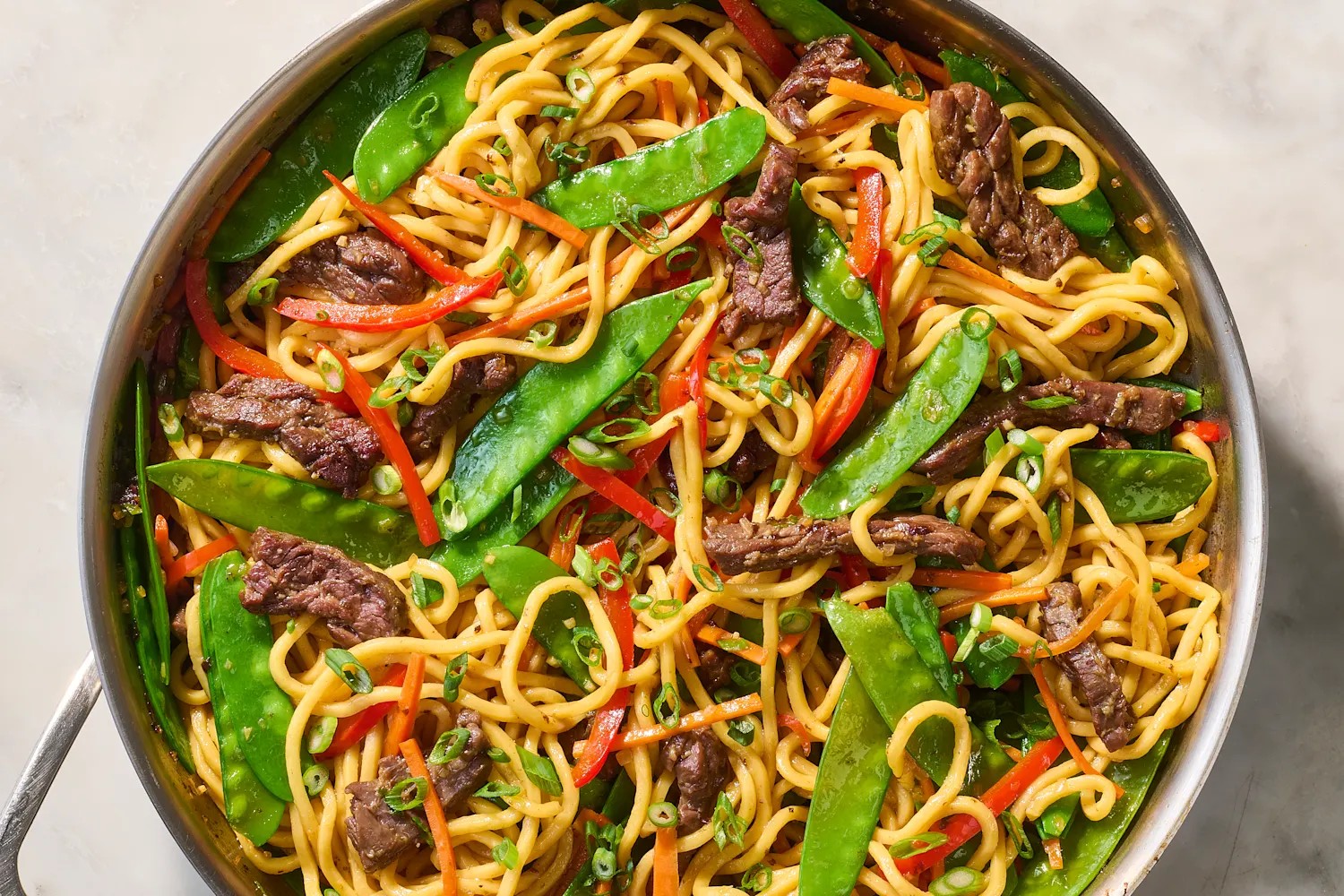
If you have ever wondered why meat in professional stir-fries feels incredibly tender and silky—even when using cuts that are typically quite tough—you aren’t imagining it. There is a specific culinary technique behind that texture, and it is much easier to replicate at home than most people realize.
What is Velveting?
Velveting is a traditional Chinese cooking method used to tenderize meat before it hits the pan. By coating raw meat in an alkaline mixture, you alter the surface texture, allowing it to remain moist and soft even under high heat.
While the technique is a staple in Chinese cuisine, it has become a cornerstone of many Southeast Asian cooking styles, including Thai cuisine. It is particularly effective for cuts of meat that are prone to becoming chewy or dry, such as flank steak, chicken, or pork.
The Two-Ingredient Formula
The beauty of velveting lies in its simplicity. You don’t need expensive tenderizers or complex spice blends; you only need two common pantry staples to create a protective “seal” around the meat:
- Cornstarch: This creates a thin, protective barrier (a slurry) that locks in moisture and prevents the proteins from tightening too aggressively when heated.
- Soy Sauce: This provides essential salt and umami (the savory “fifth taste”), seasoning the meat deeply while contributing to the moisture of the marinade.
How to Velvet Your Meat at Home
To achieve the best results, follow these steps to ensure the meat is both flavorful and tender:
1. Prep the Meat
Slice or dice your meat into uniform pieces. Crucially, always slice against the grain. Cutting across the muscle fibers shortens them, making the meat much easier to chew.
2. Create the Slurry
For every one pound of meat, mix the following:
* 2 tablespoons of cornstarch
* 1 tablespoon of soy sauce
3. Marinate
Add the meat to the mixture and stir until every piece is evenly coated in the slurry. Cover the container and let it rest in the refrigerator for 30 minutes to two hours. This allows the cornstarch to adhere to the meat and the flavors to penetrate.
4. High-Heat Cooking
Once marinated, cook the meat in a wok or a large pan over high heat. The cornstarch will react to the heat, creating that signature “velvety” exterior that characterizes professional stir-fry dishes like pad see ew.
Pro Tip: This technique isn’t just about texture; it’s about moisture control. The cornstarch coating acts as a barrier, preventing the juices from escaping during the intense heat of a stir-fry.
Summary
By using a simple cornstarch and soy sauce slurry, you can transform inexpensive, tough cuts of meat into tender, restaurant-style morsels. Mastering this centuries-old technique is the fastest way to elevate your home stir-fry from mediocre to professional.