


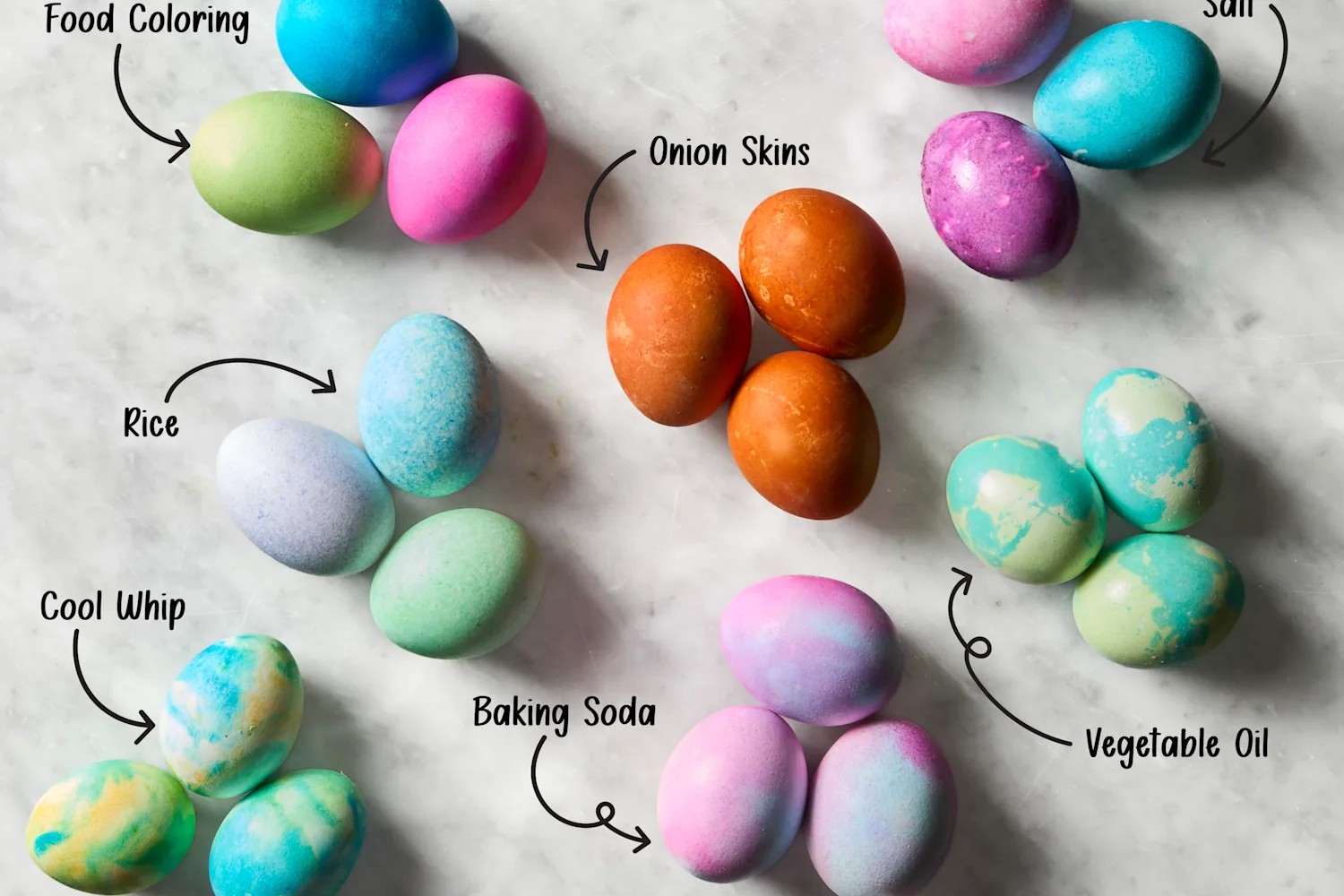
For generations, the annual Easter egg coloring ritual has been a cornerstone of spring celebrations. But with countless techniques circulating, which method delivers the most vibrant, beautiful results? In 2026, we put seven popular approaches to the test, from classic food coloring to unconventional Cool Whip marbling. The goal was simple: identify the methods that produce stunning eggs, while evaluating ease of use and practicality. Here’s a breakdown of what worked, what didn’t, and which techniques deserve a spot in your Easter tradition.
The Classic Approach: Food Coloring & Vinegar
The simplest method remains surprisingly effective. Combining hot water, vinegar, and 10-20 drops of food coloring creates a potent dye bath. Soaking eggs for 5-10 minutes yields bright, saturated colors. This technique is fast, clean, and customizable; adjusting dye concentration and soak time controls color intensity. It’s a reliable choice for families wanting quick, consistent results.
Onion Skin Dyeing: Natural But Subtle
For those seeking a natural alternative, onion skins offer earthy tones. Simmering yellow or red onion skins in water for 30 minutes, then straining and adding vinegar, produces subdued, rustic hues. While avoiding artificial dyes, the resulting colors lean toward brown and maroon, lacking the vibrant pop of traditional methods. This is best for those prioritizing natural ingredients over festive brightness.
Rice Shaking: A Messy But Effective Technique
This method involves shaking eggs in a zip-top bag filled with rice and food coloring. The rice acts as an abrasive, distributing color evenly. It requires vigorous shaking and careful sealing to avoid kitchen chaos. The result is a beautifully speckled pattern, though achieving consistent color requires ample dye and precise technique.
Baking Soda Paste: Artistic, But Time-Consuming
Applying baking soda “paint” (food coloring mixed with baking soda and water) to eggs creates marbled effects. Refrigerating the eggs for 4-12 hours allows the color to set. While visually appealing, this method demands patience and artistic flair. The colors are muted compared to other techniques, but the unique swirls offer a handcrafted aesthetic.
Salt Dyeing: The Fastest, Most Vibrant Option
This method delivers immediate, saturated color. Rolling boiled eggs in salt mixed with food coloring requires minimal effort. The salt acts as a temporary adhesive, ensuring even coverage. While cleanup can be messy, the vibrant results and speed make it a standout choice. A unique bonus: the color permeates the egg, tinting the whites for striking deviled eggs.
The Cool Whip Marble: Surprisingly Stunning
This unexpected technique involves coating eggs in Cool Whip and dropping food coloring on top. Marbling the colors with a skewer creates a swirling effect. Refrigerating for 30 minutes or longer sets the dye. The result is a mesmerizing marbled pattern reminiscent of planetary views. The process is surprisingly effective, producing vibrant, unique eggs.
The Old-School Soak: Reliable and Easy
The simplest method remains effective. Combining hot water, vinegar, and 10-20 drops of food coloring creates a potent dye bath. Soaking eggs for 5-10 minutes yields bright, saturated colors. This technique is fast, clean, and customizable; adjusting dye concentration and soak time controls color intensity. It’s a reliable choice for families wanting quick, consistent results.
Ultimately, the salt dyeing and classic food coloring methods offer the most striking, hassle-free results. The Cool Whip technique delivers a unique artistic flair, while natural options like onion skins cater to specific preferences. No matter the approach, dyeing Easter eggs remains a cherished tradition, fostering creativity and family bonding.
Whether you opt for vibrant hues or earthy tones, the key is to experiment, have fun, and create memories that will last long after the eggs are eaten.


