


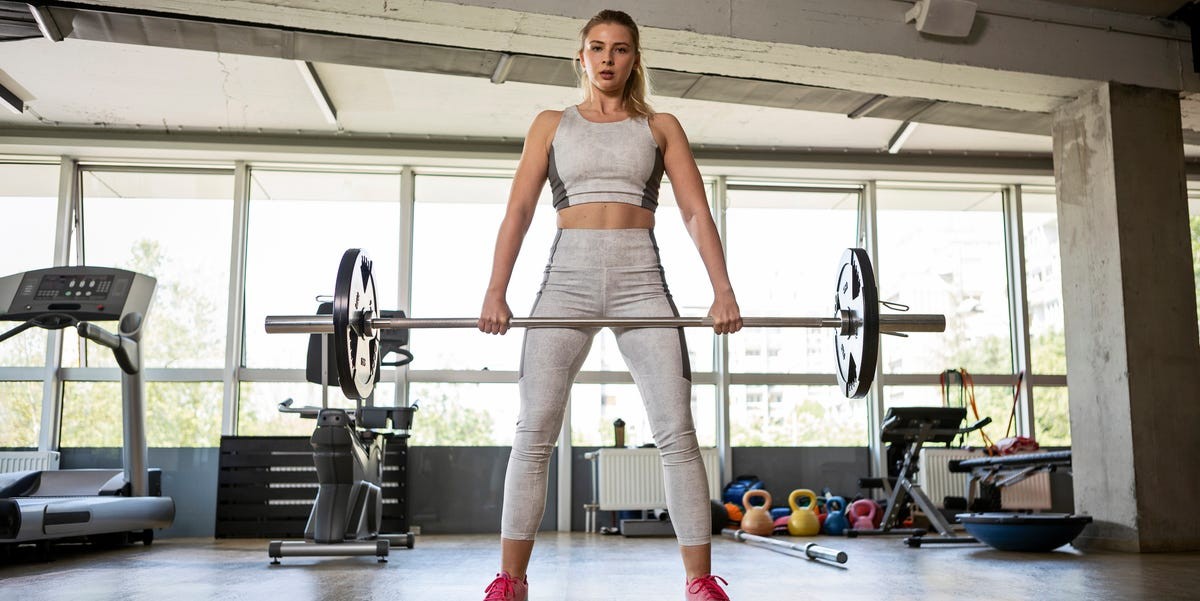
The deadlift is a foundational strength exercise, often feared but undeniably effective. If you’re looking to build full-body strength, improve posture, and even reduce injury risk, mastering the deadlift is crucial. This guide breaks down exactly which muscles are engaged, the benefits of training this movement, and how to perform it correctly, along with useful variations.
Why the Deadlift Matters
The deadlift isn’t just about lifting heavy weight; it’s about training the body to move efficiently and powerfully. It mimics real-world movements, like picking up groceries or furniture, making it a highly functional exercise. Ignoring proper form can lead to injury, but done correctly, it builds resilience and prevents lower back pain. The exercise also stimulates bone density, especially crucial as we age.
Muscles Targeted by the Deadlift
The deadlift is a full-body movement, but several key muscle groups bear the brunt of the work:
- Glutes (Gluteus Maximus, Medius, Minimus): These are primary drivers, providing power and stability. Strong glutes improve posture and athletic performance.
- Hamstrings: Working in tandem with the glutes, hamstrings stretch during the lowering phase and contract powerfully during the lift.
- Spinal Erectors: These muscles run along the spine, stabilizing the trunk and preventing rounding. They are essential for maintaining proper form.
- Trapezius: The upper back muscles help maintain a tight wedge position, contributing to overall stability.
- Forearms & Grip: Holding the weight builds grip strength, which carries over to many other exercises and daily tasks.
Benefits Beyond Muscle Strength
Deadlifts offer more than just muscle gains. They’re time-efficient, hitting multiple muscle groups simultaneously. They also train the body to move as a unified system, improving coordination and efficiency. As personal trainer Matt Berenc notes, “The body doesn’t work in isolation; it moves as a whole.”
How to Deadlift Correctly
Before lifting, assess your hip mobility. If you struggle to touch your toes, work on flexibility first. Start with lighter weights or modified variations (like lifting from risers) to master form before progressing.
Steps:
- Stand with feet shoulder-width apart, barbell in front of you.
- Hinge at the hips, bending knees slightly, and grab the bar with an overhand, underhand, or mixed grip. Keep your spine neutral.
- Squeeze glutes and core, stand up straight, and lift the barbell.
- Pause briefly at the top, then slowly lower the weight back to the ground.
Deadlift Variations for Targeted Training
- Romanian Deadlift: Emphasizes hamstrings and glutes with a controlled lowering phase.
- Single-Leg Deadlift: Improves balance and identifies strength imbalances.
- Hex Bar Deadlift: Allows for a more upright posture, reducing strain on the lower back.
- Sumo Deadlift: Targets quads more aggressively with a wider stance.
Additional Hinge Exercises
If the deadlift feels too advanced, start with simpler hinge movements:
- Kettlebell Swing: Builds explosive power and strengthens the posterior chain.
- Glute Bridge: Strengthens glutes without requiring advanced mobility.
- Good Morning: Targets the entire back, from glutes to spinal erectors, but requires good form.
In conclusion, the deadlift is a powerful tool for building strength, improving posture, and enhancing overall fitness. Mastering proper form and progressively increasing weight are key to reaping its benefits safely and effectively. Whether you’re a beginner or an experienced lifter, incorporating variations can help you target specific muscle groups and optimize your training routine.


