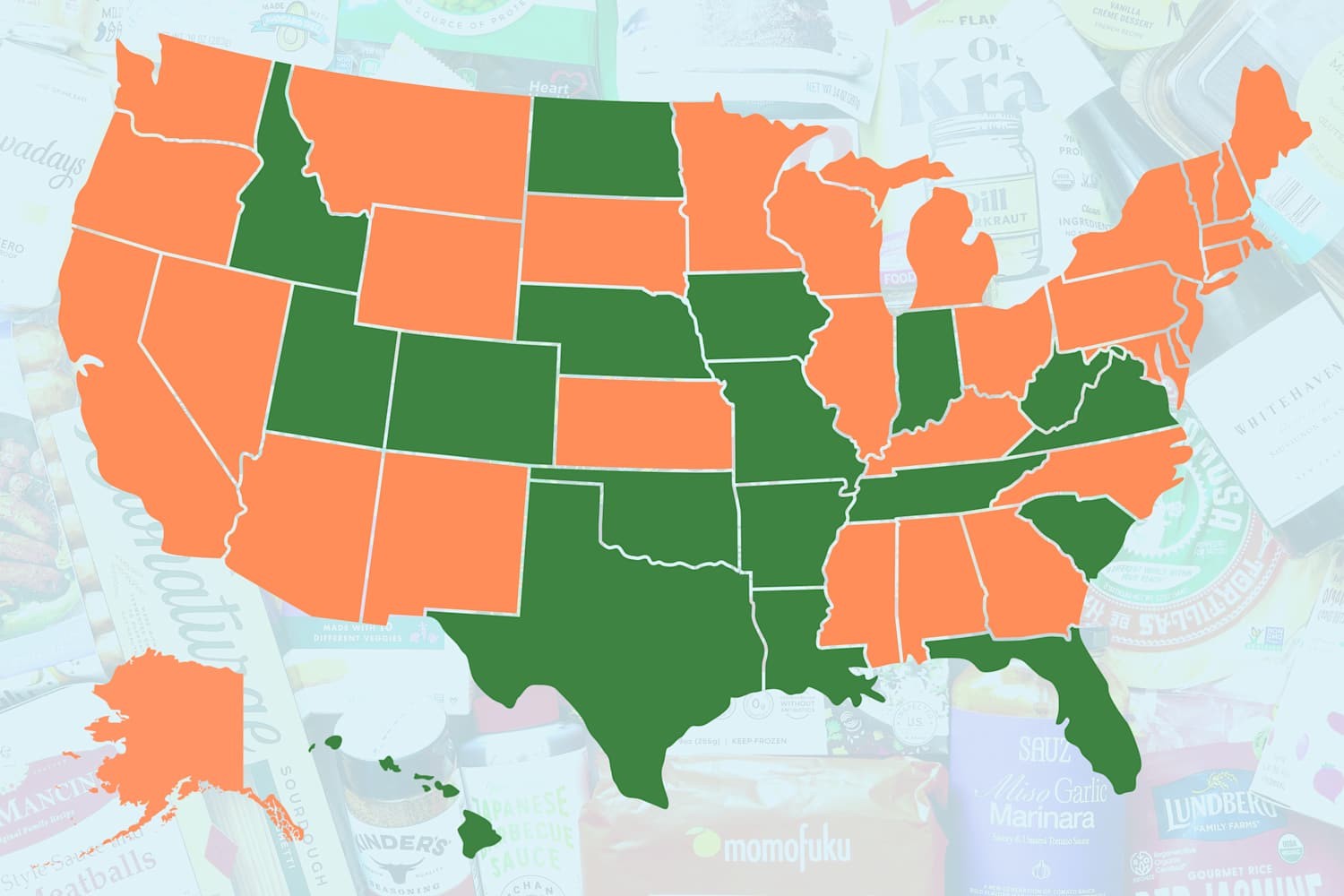
New policies under the “Make America Healthy Again” (MAHA) initiative will restrict SNAP benefits in 18 states, limiting purchases of soda, candy, and other items deemed unhealthy. The changes, approved by the USDA, will impact roughly 14 million Americans beginning in 2026.
The New Restrictions
As of December 10, 2025, states including Arkansas, Colorado, Florida, Hawaii, Idaho, Indiana, Iowa, Louisiana, Missouri, Nebraska, North Dakota, Oklahoma, South Carolina, Tennessee, Texas, Utah, Virginia, and West Virginia have been granted waivers to implement these restrictions. The specifics of what constitutes “junk food” will vary by state, but the general aim is to discourage purchases of sugary drinks, sweets, and processed desserts with SNAP benefits.
The Rationale Behind the Changes
Secretary of Agriculture Brooke Rollins stated that the new policies align with President Trump’s goal of restoring SNAP to its “true purpose — nutrition.” The administration frames this as a step toward reversing the chronic disease epidemic, arguing that incentivizing healthier food choices will improve public health.
State governors echo this sentiment. North Dakota Governor Kelly Armstrong envisions his state becoming “the healthiest in the nation” through SNAP restrictions, while South Carolina Governor Henry McMaster calls the bans a “common-sense approach” to maximizing the value of taxpayer dollars.
The Human Cost
The impact on recipients is less about policy and more about reality. One food pantry volunteer recalls a customer explaining that SNAP benefits were the only way she could afford a birthday cake for her daughter’s 5th birthday. These restrictions remove that choice, forcing recipients to prioritize survival over moments of joy.
Food is not merely sustenance; it’s a social lubricant, a cultural marker, and often central to celebrations. For low-income families, SNAP benefits can be the difference between a simple treat and a missed milestone.
A Broader Question
The timing and scope of these changes raise questions about equity. Why single out SNAP recipients when broader societal health challenges exist? Placing additional restrictions on a vulnerable population feels less like a holistic solution and more like a symbolic gesture. If the goal is to improve American health, systemic changes beyond SNAP bans may be necessary.
These restrictions represent a shift in how the government views SNAP, moving beyond simple food assistance toward a prescriptive approach to nutrition. Whether this will lead to genuine health improvements or simply further marginalize recipients remains to be seen.